議題

Food Production & Animal Husbandry

Battery cages, barns and free range; organic, traceability and origin: how food is grown and raised. 20 articles.

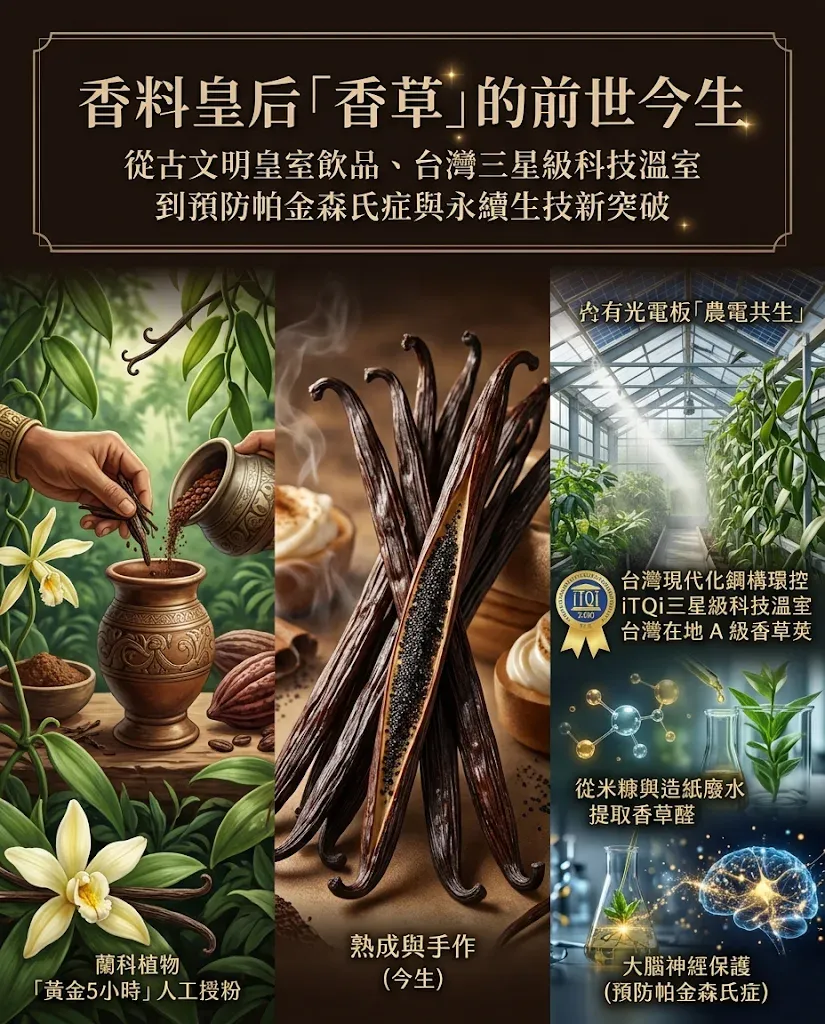
  1. Vanilla, Queen of Spices: From Royal Drinks to Taiwan's Three-Star Greenhouses, Brain Health and Green Biotech

    Known as the “Queen of Spices”, vanilla is the only member of the vast orchid family whose fruit (the vanilla pod) is edible. A climbing plant native to tropical rainforests, its fragrance has become the soul of desserts and ice creams around the world.
  2. A Field Guide to the World's Pepper: Black, White, Green and Red, Origins, Grades, Buying Tips and Food-Safety Alerts

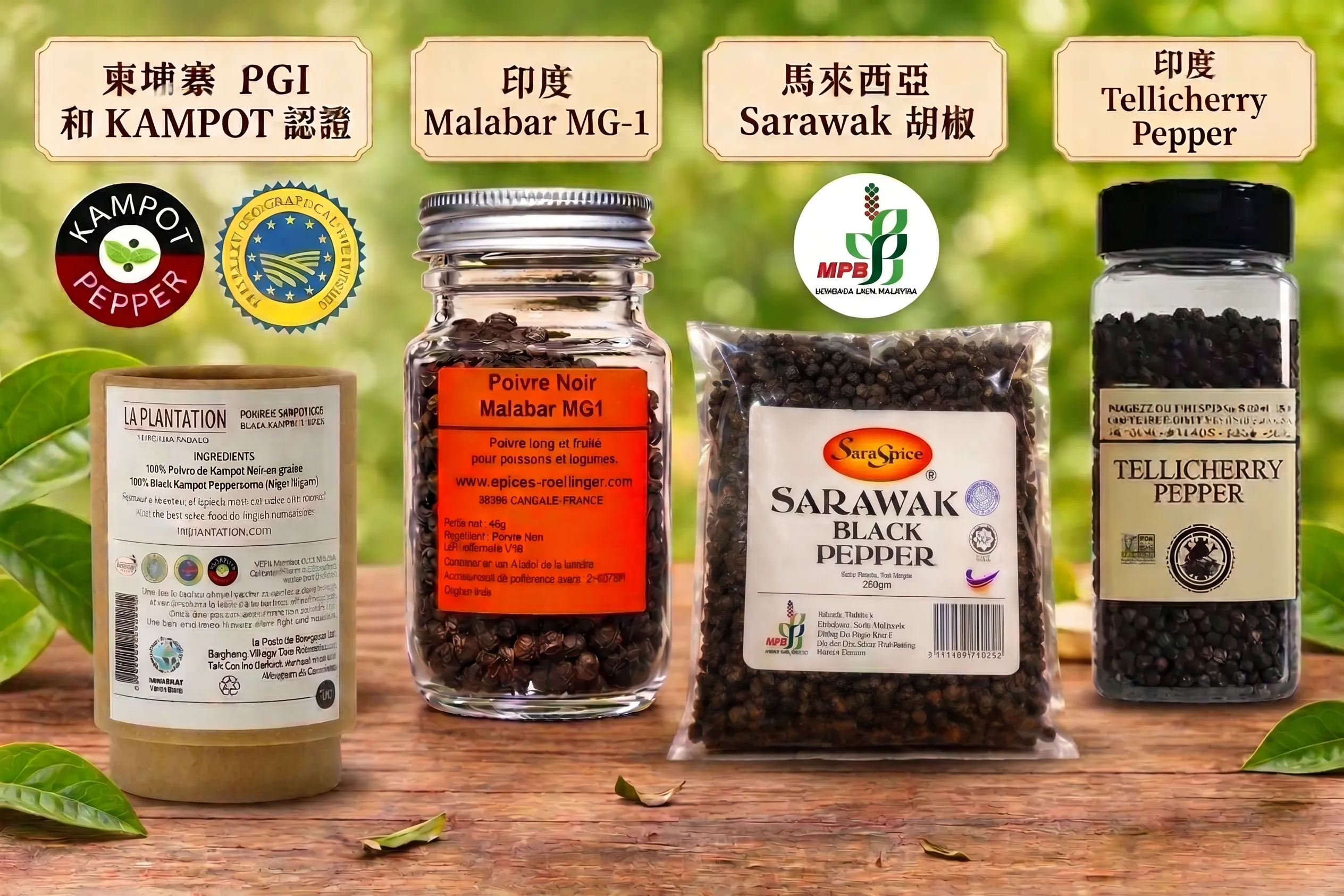
    The same pepper vine gives pepper of different colours and heat depending on when it is picked and how it is processed. Black, white, green and red pepper each have their own character: black is lively, white is restrained, and green and red are mild, bright spices.

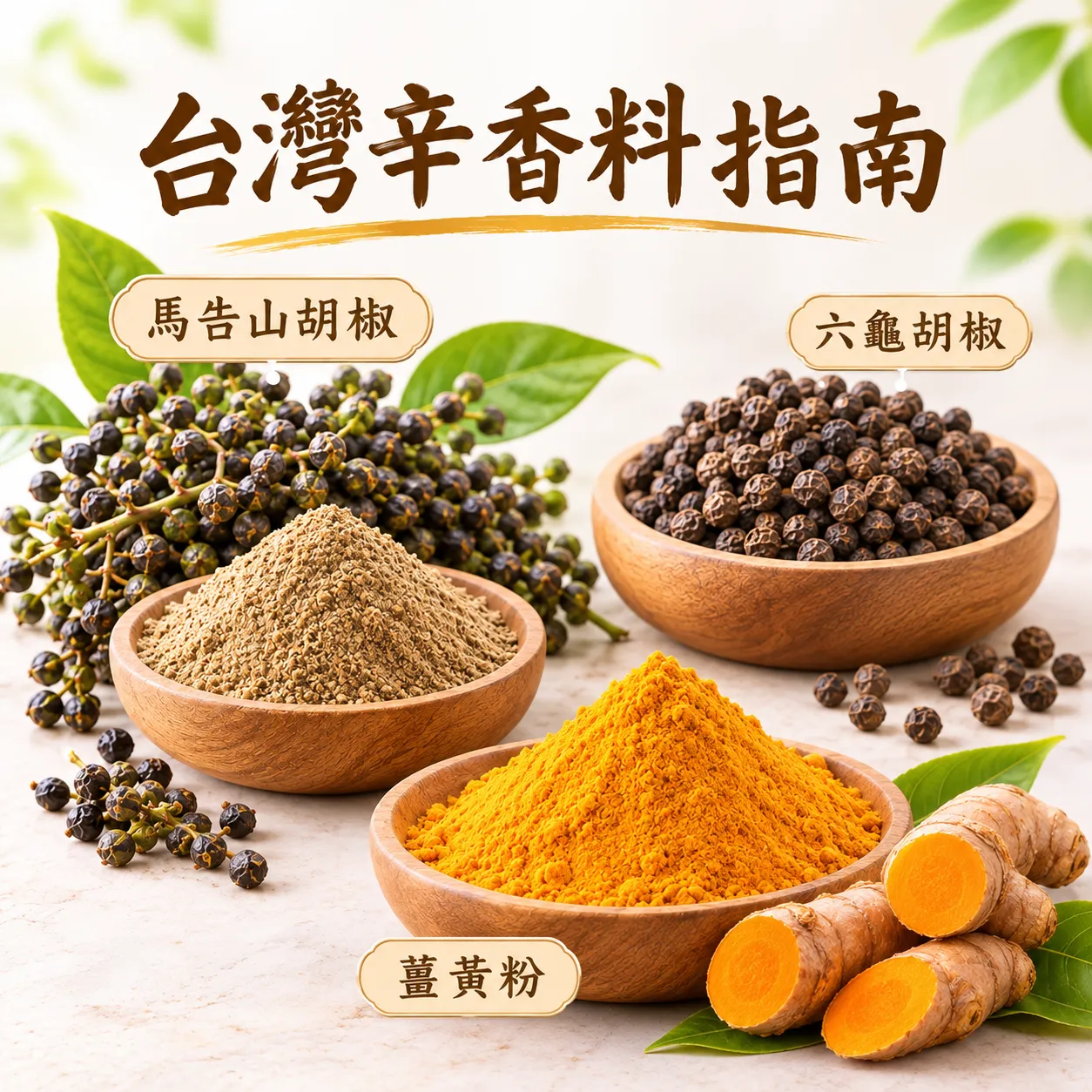
  3. A Guide to Taiwanese Spices: Maqaw Mountain Pepper, Liugui Pepper and Turmeric, Uses and Cautions

    Taiwanese kitchens use a wide family of spices and herbs: the Indigenous spice “maqaw” mountain pepper, turmeric and pepper for cooking and health, vanilla pods that have taken root in Taiwan, and mixed herb powders of lemongrass, basil, mint, rosemary and thyme.

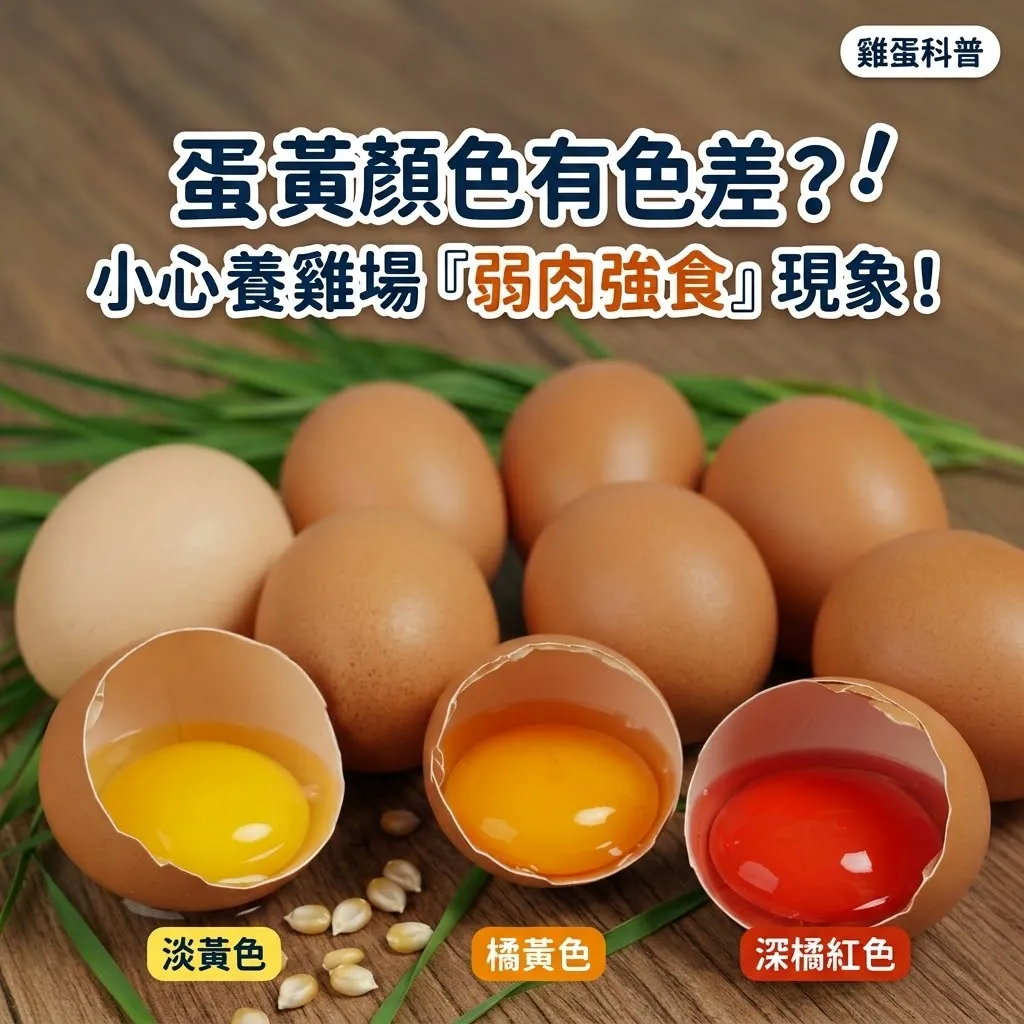
  4. How to Choose Good Eggs: Haugh Units, Shell Colour, Functional Feed and the Nutrition of 5 Egg Types

    When shopping or eating out, what signs tell you about an egg's quality? Is an egg's nutrition linked to the colour of its shell or yolk, or to the breed of hen? Can egg nutrition and flavour now be made to order?

  5. Should You Wash Eggs When You Get Them Home? Cleaning, Storing and Eating Bulk and Washed Eggs Raw

    Whether it's “bulk eggs” or “washed eggs”, most consumers are torn over whether to wash them: they worry about washing off the egg's protective layer, but if they put eggs straight into the fridge unwashed, they worry about invisible dirt and germs (Salmonella, E. coli and avian flu virus) clinging to the shell.

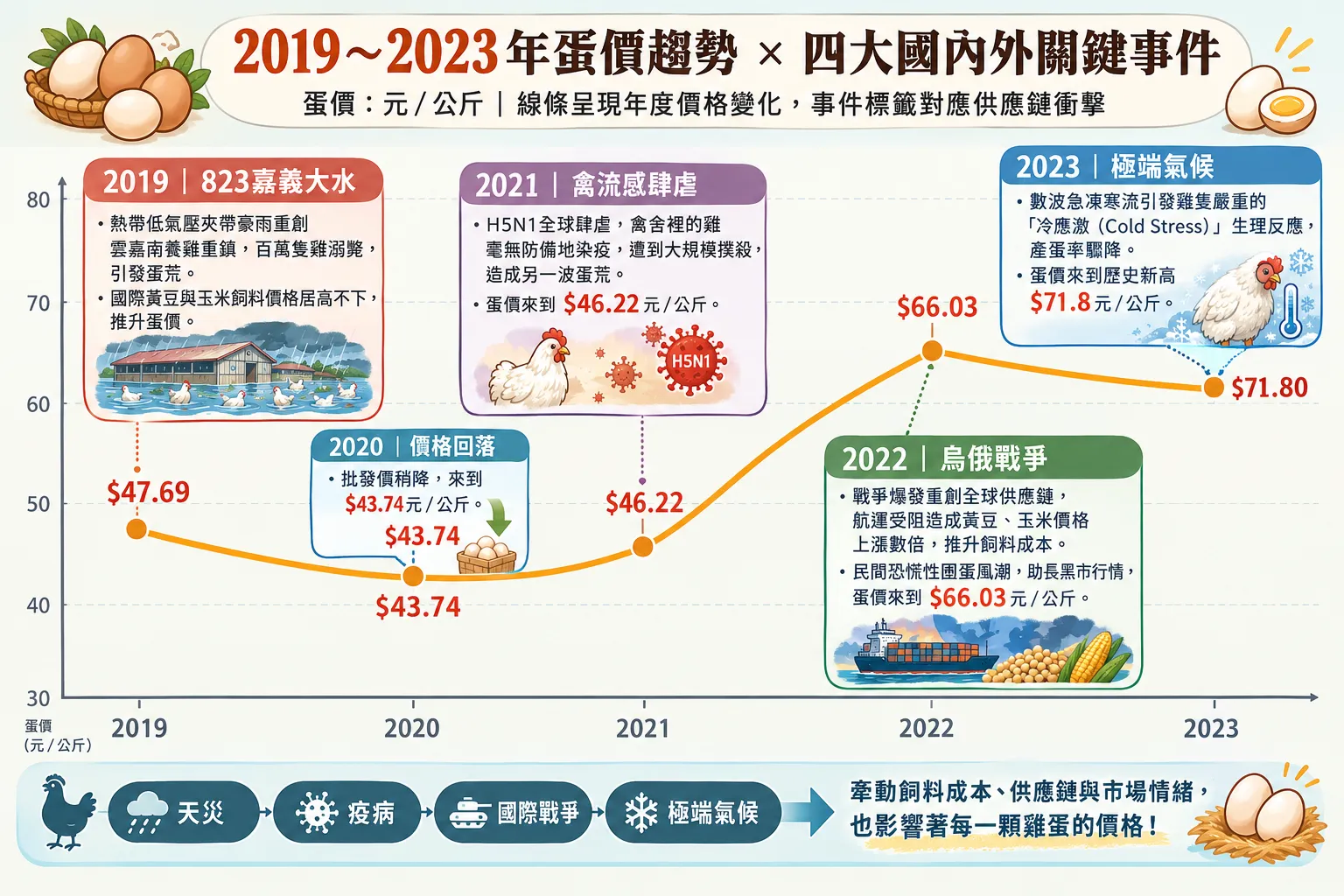
  6. A 52% Laying Rate? The Truth Behind Taiwan's Egg Shortages: Disasters, Black Markets and Imported Eggs

    From the first hot egg crepe of the morning to lunch and dinner boxes and afternoon desserts and drinks, eggs are everywhere in Taiwanese food. According to Legislative Yuan data, Taiwan has about 43 million laying hens producing around 22.3 million eggs a day, just enough to meet domestic demand.

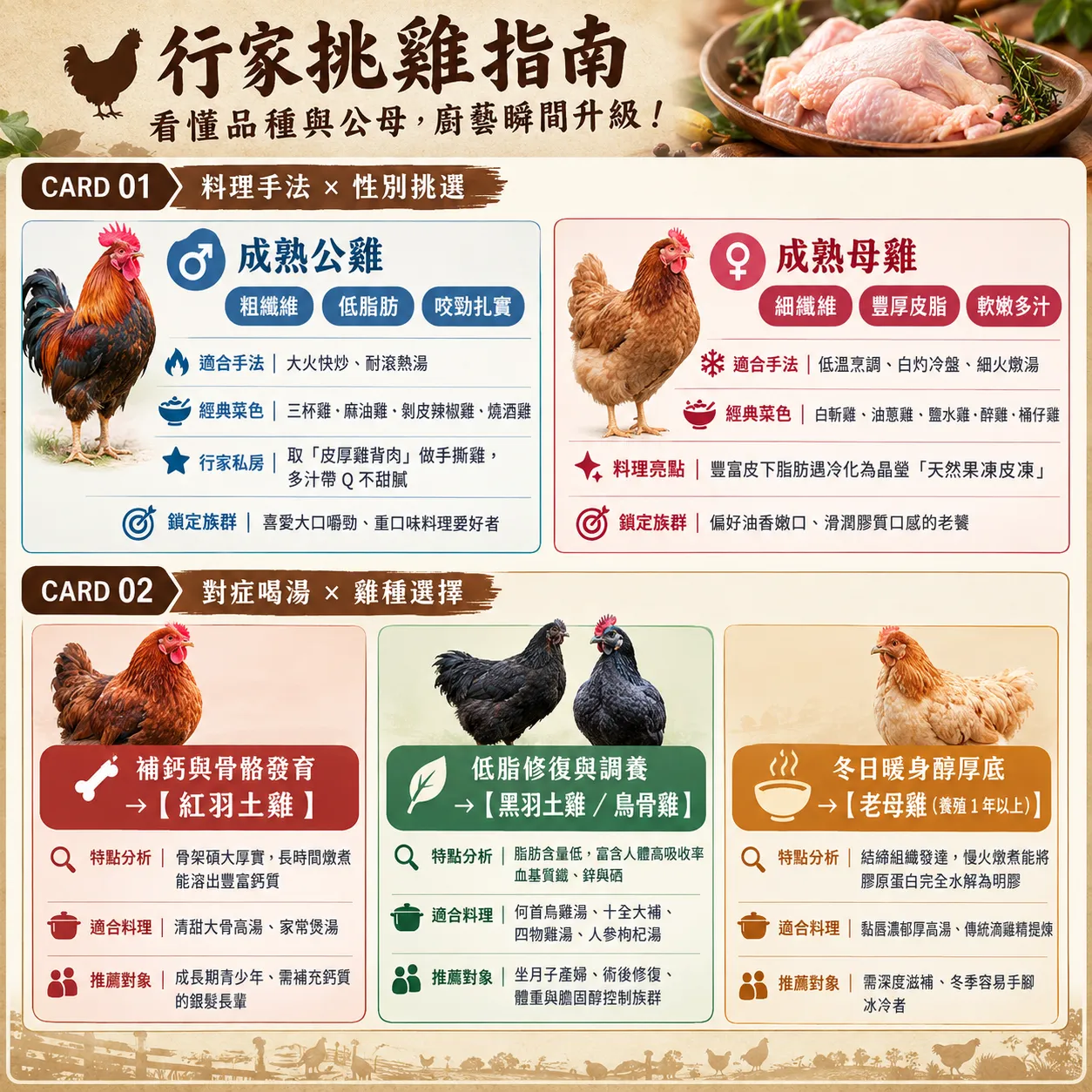
  7. A Complete Guide to Taiwanese Native Chicken: Red-Feathered, Black-Feathered, Silkie and Broiler Compared

    Heading up into the hills to eat native chicken is a traditional part of Taiwanese food life. On weekends and holidays, friends and family drive up together along winding mountain roads in search of mountain restaurants tucked away in hidden idylls, whether for a birthday banquet, a celebration, a simple get-together or a nourishing meal when the weather turns cool.

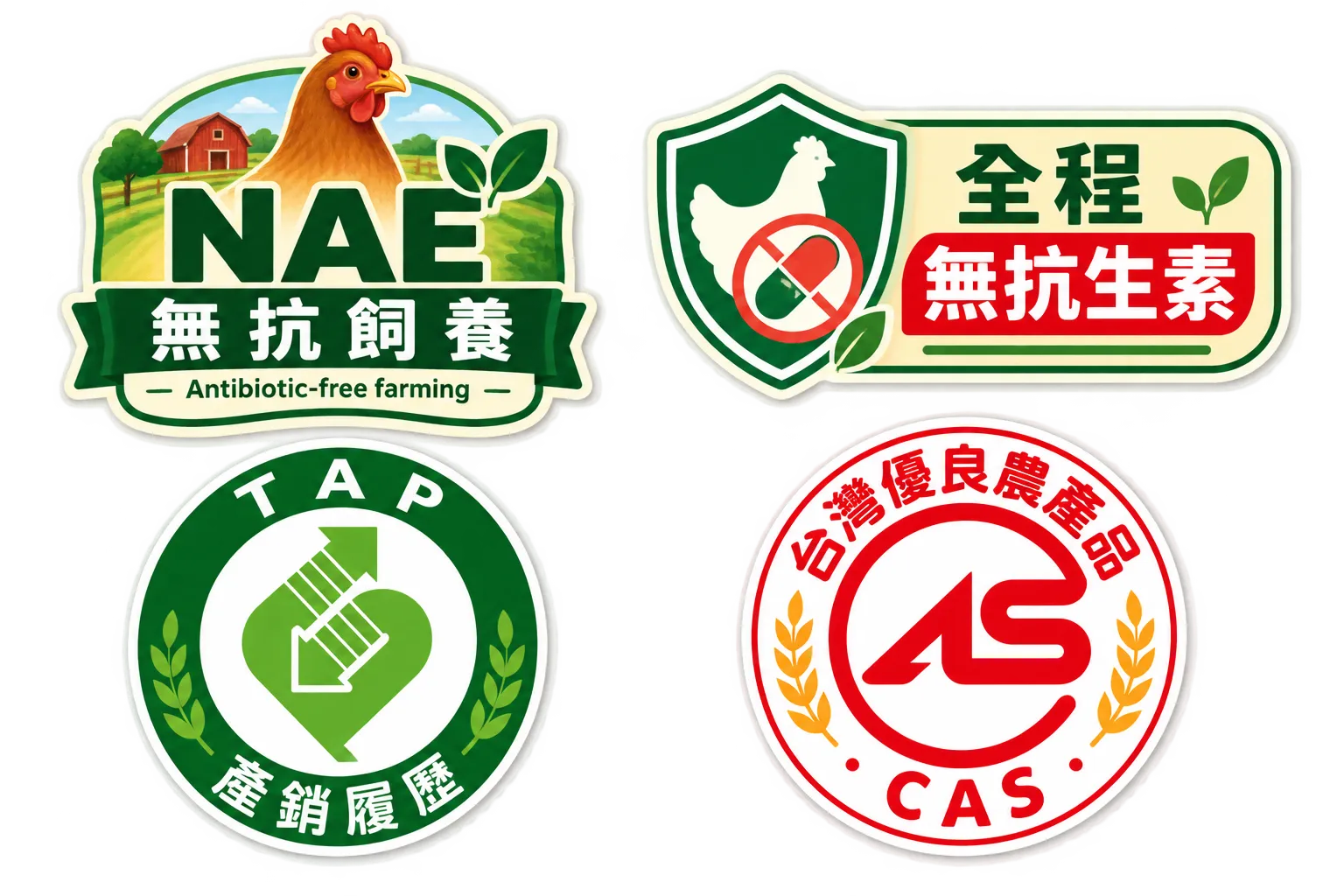
  8. Taiwan's Antibiotic-Free Farming Revolution: Farewell to Antibiotics, Hello to the Age of One Health

    Traditional open cage farming affects the surrounding environment: the clucking can disturb neighbours, visiting insects and birds are a nuisance, the smell spreads on the air, zoonotic diseases such as H5N1 avian flu can spread, and antibiotics used for prevention and treatment cause drug resistance and residues.

  9. Are Taiwan's Chickens and Eggs Given Antibiotics? The History of Fast-Growing Broilers and the Truth About Resistance

    Modern farming can raise a 2.72 kg broiler in 35 days thanks to advances in breed selection and husbandry, cutting the rearing period from 112 days to nearly a third, on less feed, to produce fast-growing breeds about 2.5 times the weight of purebred chickens.

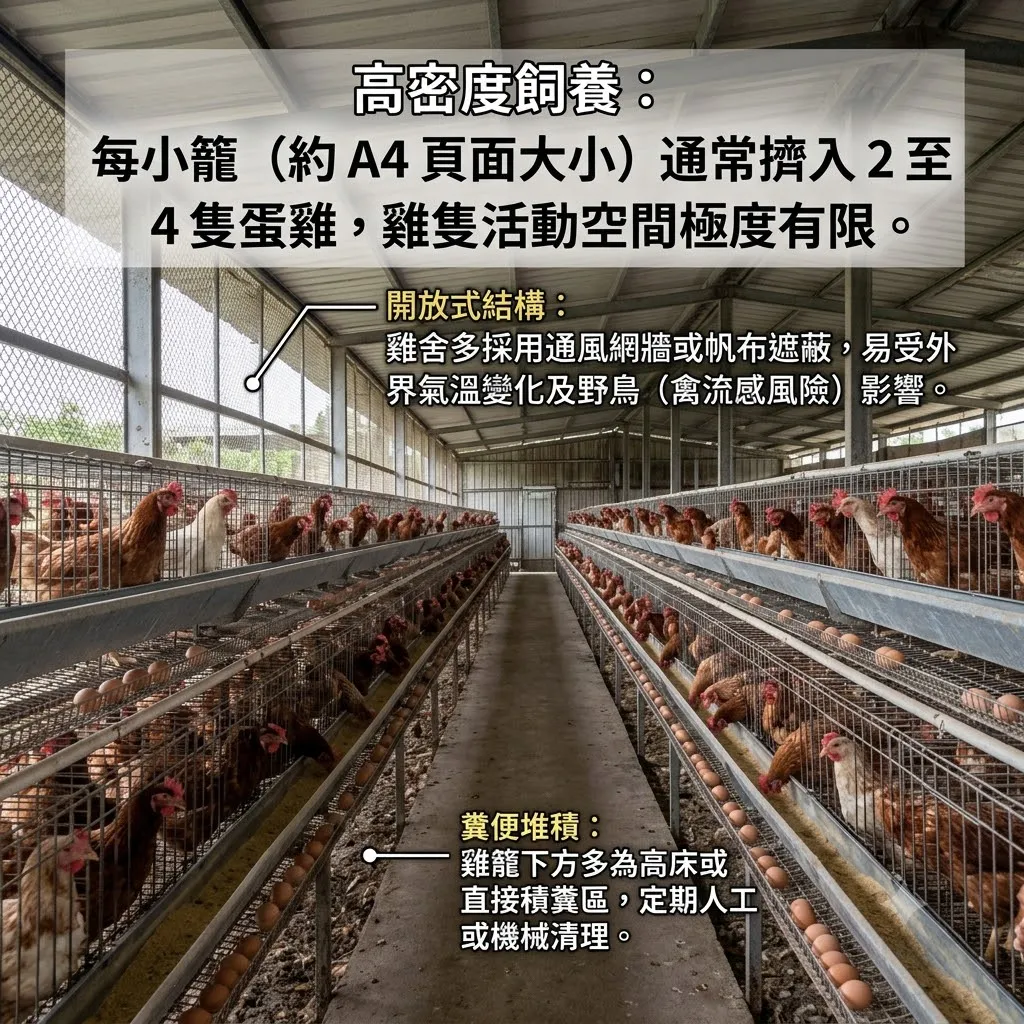
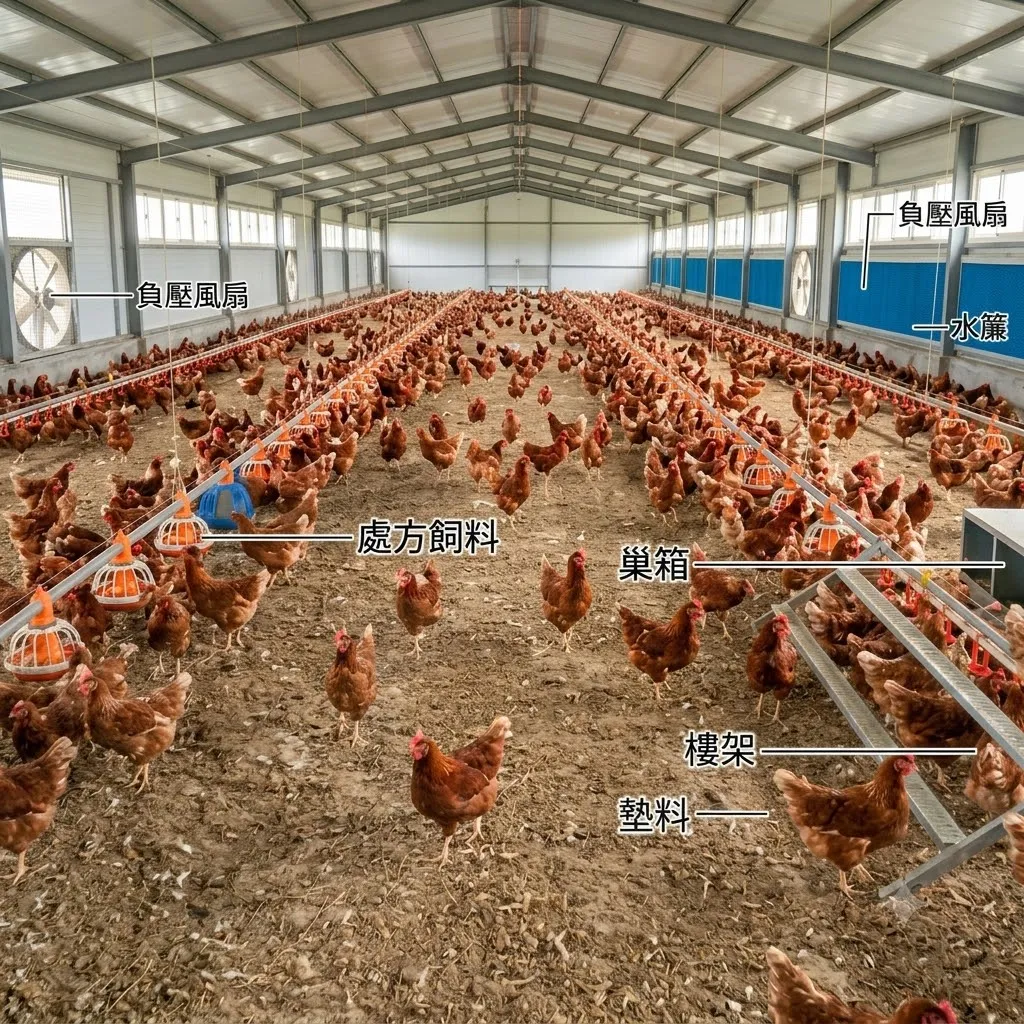
  10. Battery Cages or Barns? How Housing Affects Laying Rates, Egg Quality and Animal Welfare

    Taiwan keeps about 45 million laying hens. Chickens are broadly divided into broilers and layers: hens lay eggs and roosters are raised for meat. Broilers are slaughtered after a set time (about 35 days for white broilers), while laying hens are kept until about 18 months to 2 years old, when their laying rate falls.

  11. Beyond Egg Shortages and Battery Cages: Evaporative-Cooling, Barn and Free-Range Farms Compared on Cost and Animal Welfare

    In December 2015, out of concern for animal welfare, the Council of Agriculture encouraged egg producers to produce eggs in welfare-friendly ways and drew up the “Definitions and Guidelines for Egg Friendly Production Systems”, which include a limit of no more than 6.25 laying hens per square metre, so that lower stocking densities raise stronger, healthier hens.

  12. H5N1 Crosses Species: Inside the “A4-Sized” Battery Cages on Taiwan's Chicken Farms, and Why Bird-Flu Culls Still Soar

    From January to May 2026, an H5N1 avian flu outbreak in Taiwan led to about 330,000 birds being culled on 14 farms in 6 counties and cities. In April, a chicken farmer in Fengyuan was fined NT$1.18 million for concealing the outbreak and allegedly selling eggs from infected flocks. The outbreak is in fact linked to bird-flu events around the world…

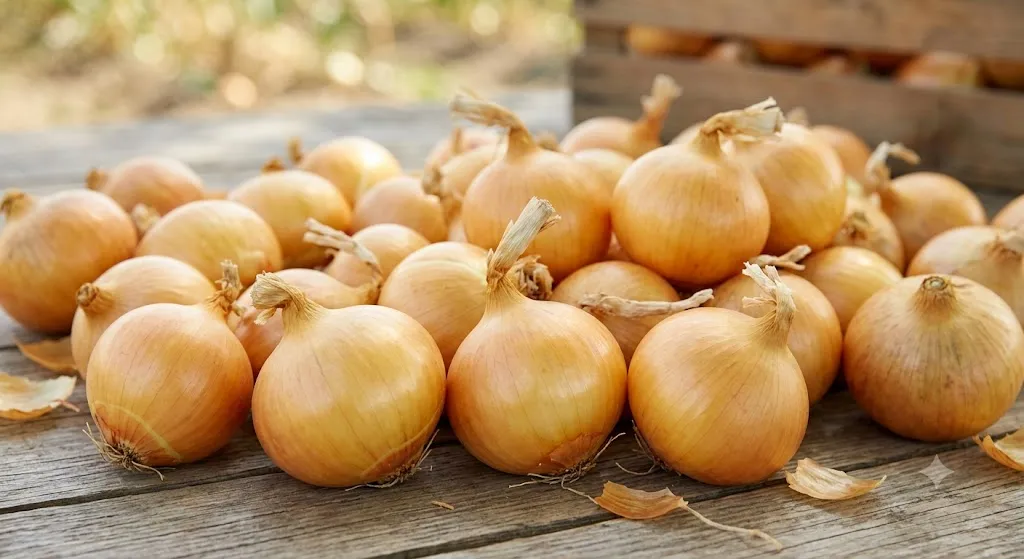
  13. Taiwanese vs Imported Onions: How Their Flavours Compare, How to Choose and How to Cook Them

    Each year the onion festivities begin in Yunlin, the largest growing area. From February to July 2026, it is expanding its “Walking with the Gods in Yunlin” events, combining an ocean music festival with sightseeing and a registration lucky draw to build excitement and actively market local produce across Taiwan.

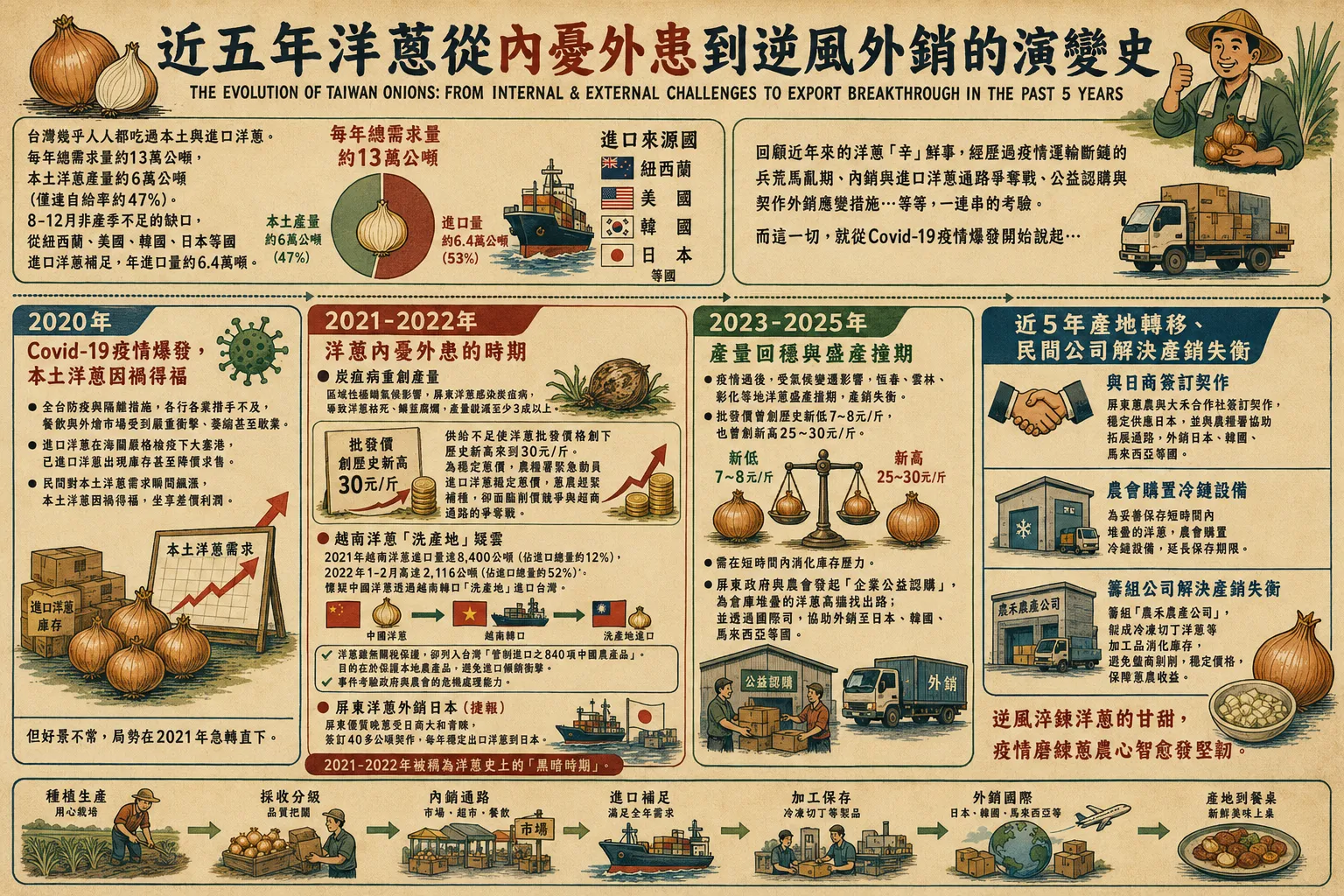
  14. Taiwan's Onions Over the Past 5 Years: From Supply Gluts to Exports to Japan Against the Odds

    Almost everyone in Taiwan has eaten both local and imported onions. Total annual demand is about 130,000 tonnes, while local production is about 60,000 tonnes (a self-sufficiency rate of only about 47%); the off-season gap from August to December is filled with about 64,000 tonnes a year imported from New Zealand, the United States, South Korea, Japan and elsewhere.

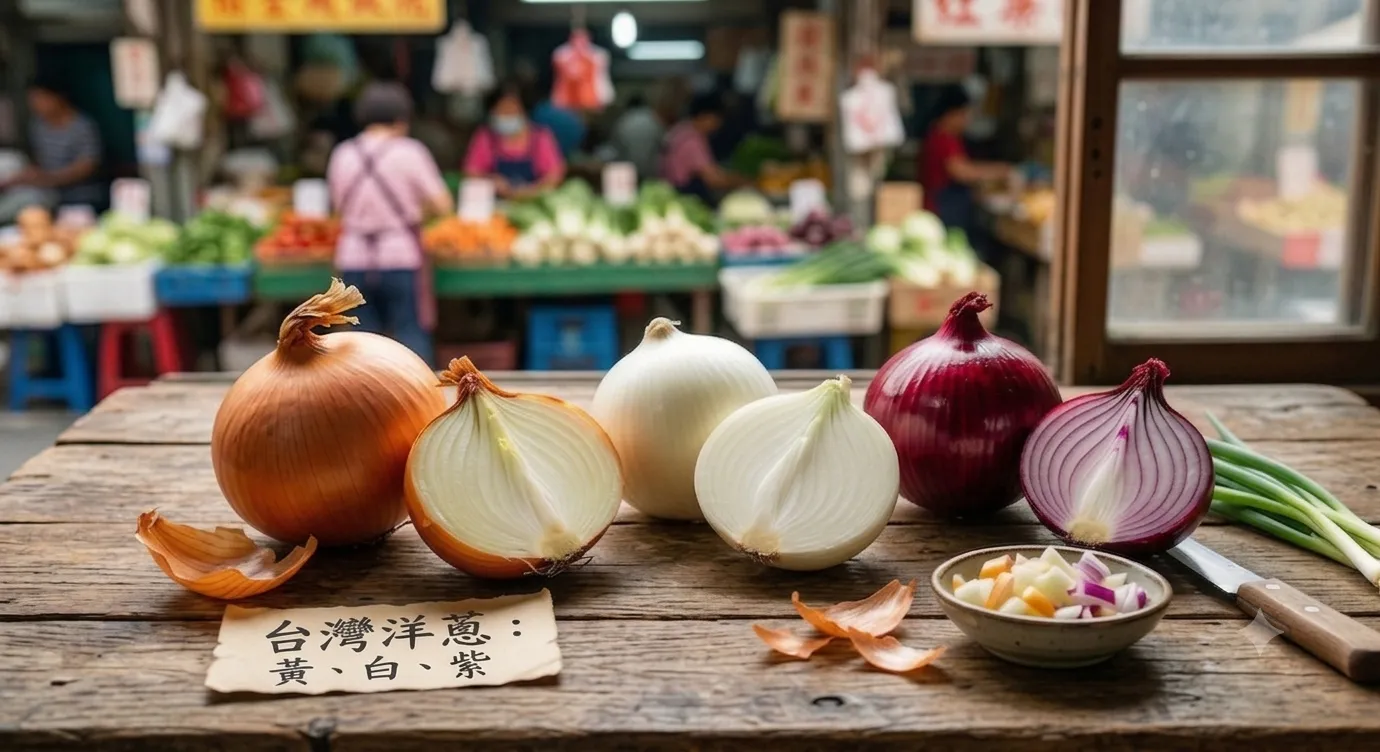
  15. Taiwanese Onions Explained: Growing Areas, Yellow, White and Red Varieties, How to Choose Them and Cut Without Tears

    More than 90% of the onions grown in Taiwan are introduced “short-day varieties”, known for being sweet, mild and early-maturing: fair-skinned beauties that ooze juice when pinched and have a sharp bite.

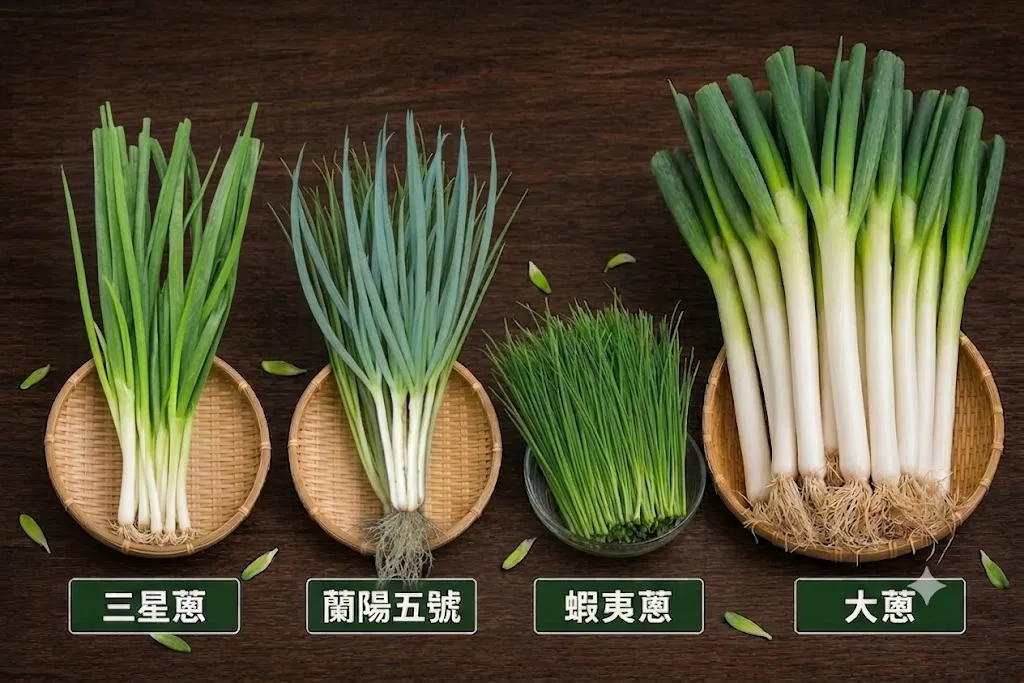
  16. Taiwan's Scallion Varieties Explained: Sanxing, Northern, Shallot-Type and Welsh Onions, Origins and Flavours

    At Taiwan's local food festivals, the stars are not only premium meat and fresh produce. Every winter and spring, the humble scallion, a supporting player in cities north and south, takes turns in the spotlight and fills small towns with its aroma.

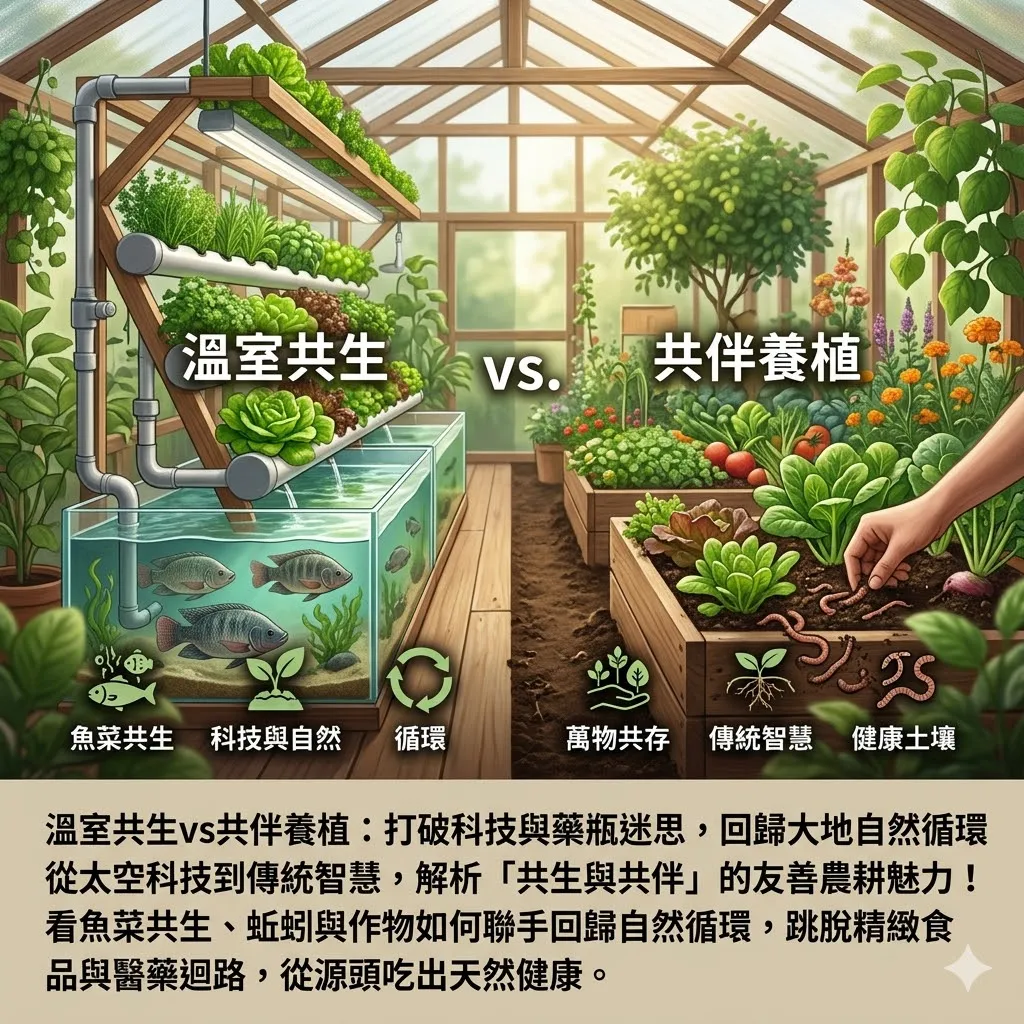
  17. Greenhouse Symbiosis vs Companion Planting: Beyond the Myths of Technology and Pesticide Bottles, Back to Nature's Cycles

    In June 2026, cash-burning rocket company SpaceX held its initial public offering (IPO), and money-hungry investors piled in, pushing entrepreneur Elon Musk's net worth past one trillion US dollars. This financial headline seems to have nothing to do with GM crops, yet the two can be linked, at a stretch.

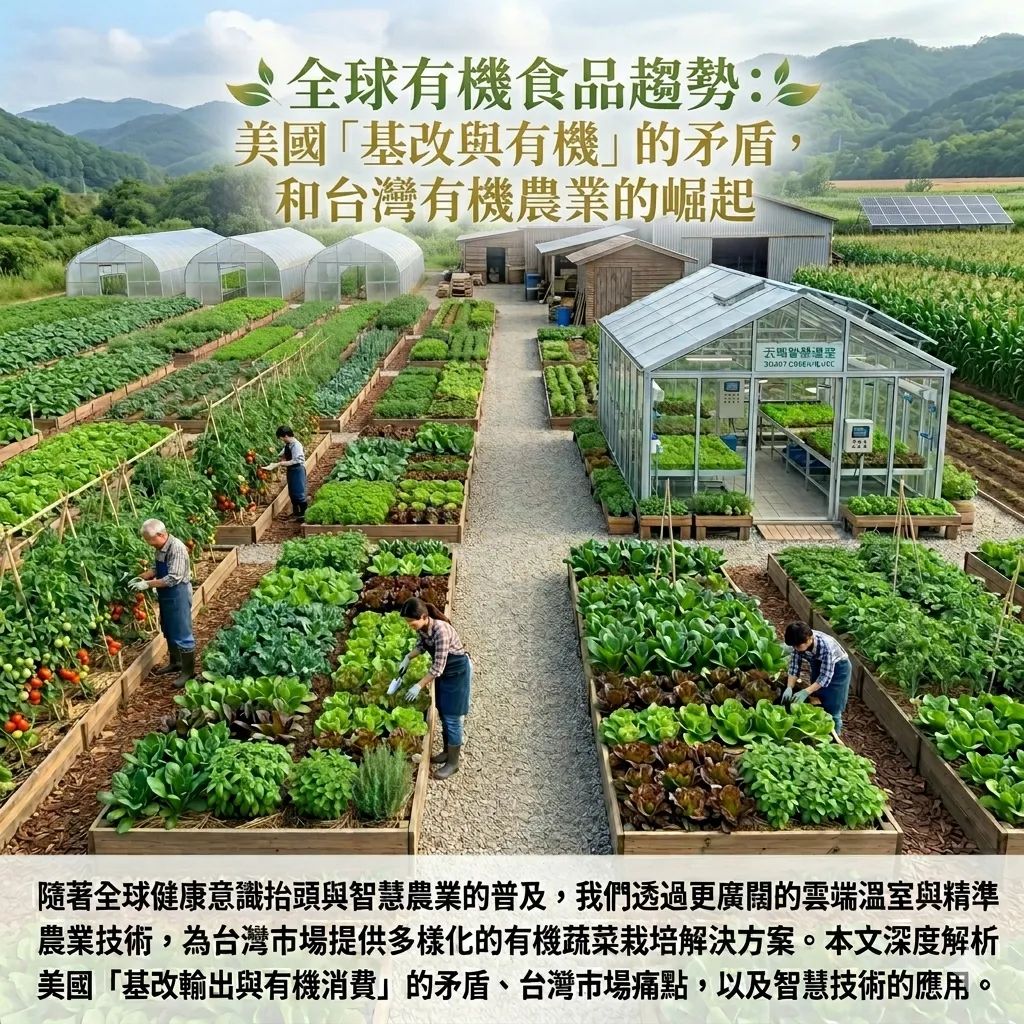
  18. Global Organic Food Trends: America's GM-and-Organic Paradox and the Rise of Organic Farming in Taiwan

    According to a 2022 report on organic agriculture, many countries have greatly expanded the area under organic crops. Australia, a nation built on farming and grazing, has the world's largest share of organic farmland, while India has the most organic producers.

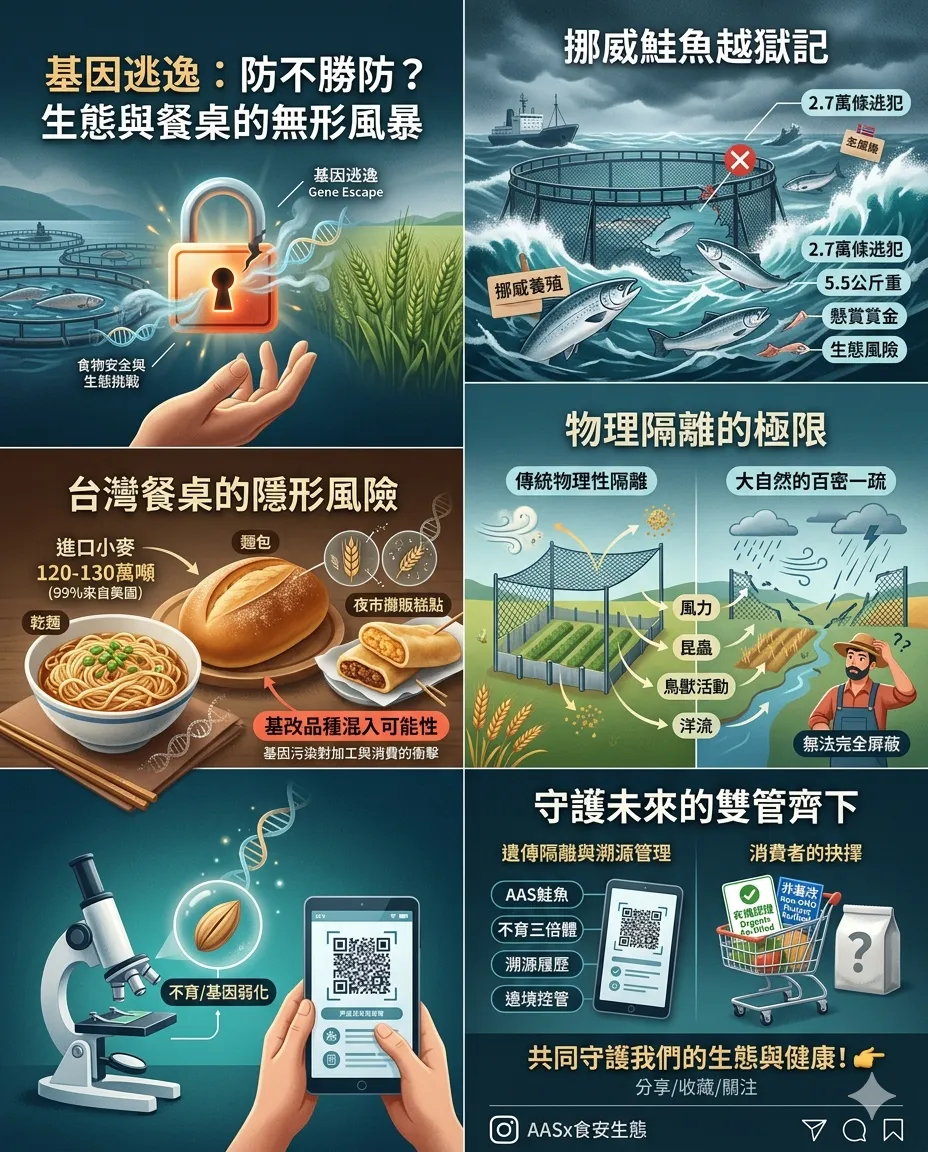
  19. Can Gene Escape Be Stopped? From Norway's Salmon Breakout to GM Wheat Contamination, How Do We Protect Food Safety and Ecosystems?

    In February 2025, a storm in Norway damaged the net pens of an offshore salmon farm. Salmon averaging 5.5 kg poured out through the gap, forcing the Norwegian authorities to offer a bounty of NOK 500 (about NT$1,000) per fish for 27,000 fugitives to avert an ecological disaster.

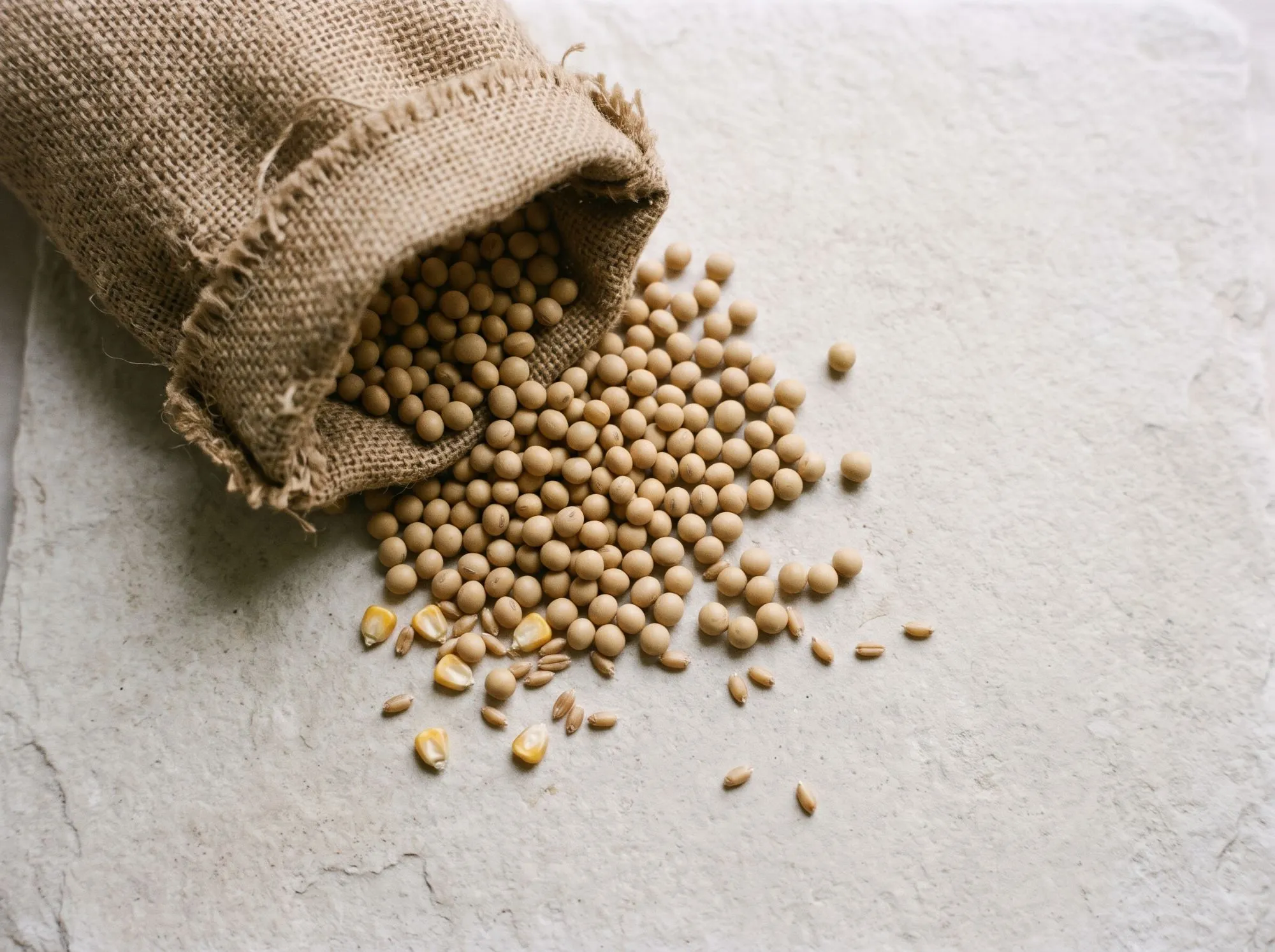
  20. Which GM Foods Are You Eating? Taiwan's Soybean, Corn and Wheat Imports, and a Buying Guide

    Taiwan is rich in produce, with its land yielding different fruit and vegetables through the seasons, but it cannot be self-sufficient in all of its food. As climate change brings poor harvests and degraded farmland, genetic modification (GM) has rescued many countries from food crises.