A Field Guide to Taiwanese Spices: The Flavour, Benefits and Cautions of Maqaw Mountain Pepper, Liugui Pepper and Turmeric
Taiwanese kitchens use a wide family of spices and herbs: the Indigenous spice “maqaw” mountain pepper, turmeric and pepper used for cooking and health, vanilla pods that have taken root in Taiwan, and mixed herb powders of lemongrass, basil, mint, rosemary and thyme.
“Maqaw” mountain pepper is a pepper native to Taiwan that combines the pungency of pepper with the scent of herbs. It is rare and grown without pesticides. As well as being healthy to eat, it can become a secret ingredient that adds flavour to creative dishes.
Besides their use in cooking, introduced pepper and turmeric are also used for health care. Spices are usually the unsung heroes of cooking, but in recent years they have been promoted into the ranks of health foods, and they even help each other raise the absorption of nutrients! Turmeric and pepper, for example, work together to double the effect.
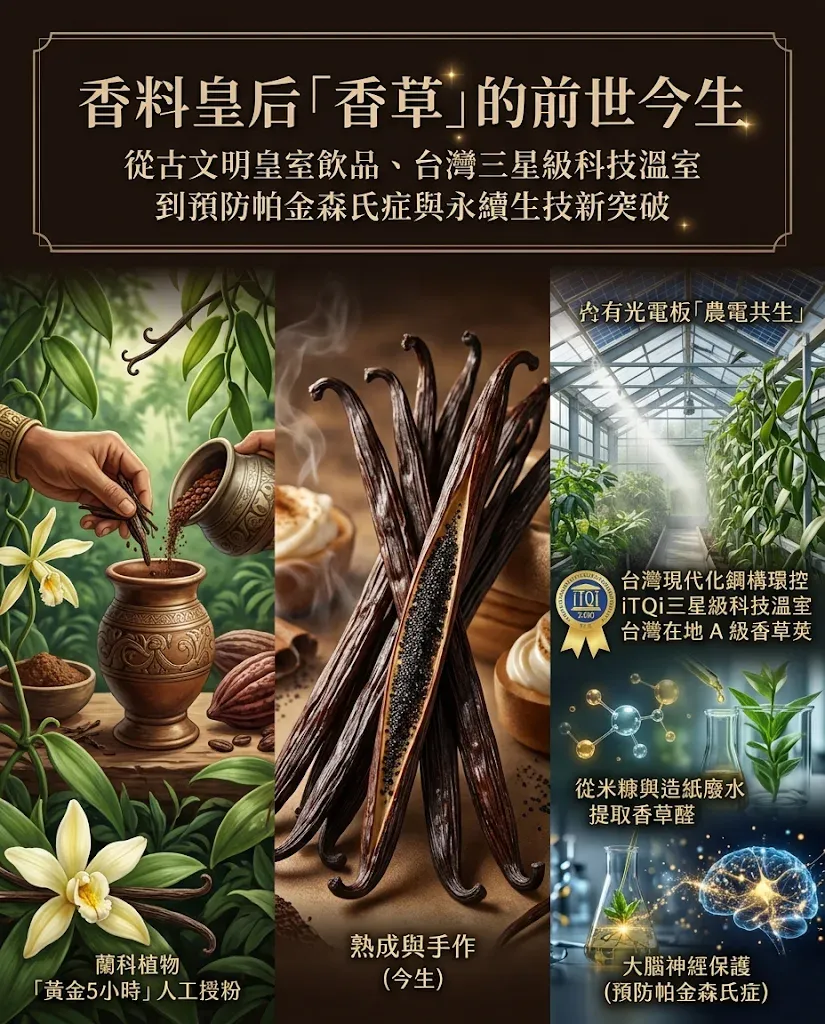
Introduced vanilla pods have put down elegant roots in Taiwan, mostly grown in greenhouses or by smallholders, each estate giving off its own fragrance and adding aroma to Western dishes and pastries.
Most of Taiwan’s herb family is grown in tourist gardens, which sell a range of herb-based foods.
This article first introduces Taiwan’s native maqaw mountain pepper, golden-yellow turmeric and Liugui pepper, covering their flavour, cooking uses and what to know before eating them, all in one place.
A Spice Native to Taiwan: Maqaw Pepper (Maqaw)
Travellers who love Indigenous culture will be familiar with the Truku (Taroko) people (太魯閣族) of Hualien County (花蓮縣). Hongye Village (紅葉部落), lying between the gently flowing springs of Ruisui Hot Spring (瑞穗溫泉) and Hongye Hot Spring (紅葉溫泉), is an ideal home for Taiwan’s native mountain pepper.
Mountain pepper is also called “maqaw” (Maqaw, in the Atayal language), and the local Truku people affectionately call it “Mqrip”, a name that carries the meaning of “multiplying without end and full of life”.
Local mountain pepper flowers in spring and fruits in summer. It prefers acidic soil, needs no chemical fertilisers or pesticides, and is particular about growing in the right land. The mountain pepper grown here gives off a rich lemony aroma.
Layered Flavours Like a Perfume
The article “Black Pearls of the Mountain Forest: Mountain Pepper” (〈山林黑珍珠-山胡椒〉) describes mountain pepper as being like a perfume, with flavours as clearly layered as a fragrance: the top note is a rush of lemongrass, followed by a slightly numbing, bitter pepper taste, and it finishes with a fresh lemony scent.
The Truku people mix maqaw with a variety of other spices to make distinctive dishes and drinks:
- Pickled fish roe: mountain pepper is pounded together with dried rakkyo (Chinese onion), fresh ginger and chilli, mixed with salt, and then salted fish roe is added. After 1–2 weeks in the fridge it is eaten with rice.
- Hangover drink: mountain pepper berries are crushed and soaked in water to drink. It not only relieves hangovers but also cools you down in summer and soothes stomach discomfort.
From the Village Table to Creative Cooking
Through creative experimentation, the Indigenous spices prickly ash (刺蔥), maqaw and mountain cinnamon have been kneaded into Western focaccia and French baguettes. The invisible spices become the soul of the bread and have changed tourists’ ideas of Indigenous food.
Maqaw is also made into a herbal pepper salt and sold as a mild version of ground pepper. Maqaw pepper powder, with its herbal fragrance and liquorice notes, can add spice to a dish without overpowering it, and can also bring an unexpected complexity to soups and desserts. It suits creative cooking and health-conscious people who prefer light flavours.
Health Potential and the Current State of the Market
Mountain pepper is rich in polyphenols, which are antioxidant and anti-inflammatory, help maintain cardiovascular health and promote metabolism, giving it the potential to be developed into health foods. As a result, ever since business people spotted its potential, its price has tripled, from NT$150–200 per jin (斤, 600 g) in the past to NT$500–600 per jin.
However, the mountain pepper tree is not unique to Taiwan. It is also grown in mainland China, India, Malaysia and Vietnam, with mainland China the largest producer, where there are as many as 46 varieties. It is mainly used there to produce “litsea” (山雞椒) essential oil, that is, mountain pepper essential oil, which contains citral and is used mainly for “external” antibacterial and insect-repellent purposes.
In Taiwan, mountain pepper is being developed mainly as a spice “for eating”. At present only the local farmers’ association sells edible mountain pepper powder as a spice, far from the scale of commercial development in mainland China. Even so, after many years of cultivation, the mountain pepper, which has separate male and female plants, produced beautiful pale-yellow flower buds in 2025, and the future looks promising.
Liugui Pepper: One Fruit, Three Colours: Black, White and Red
Shishan (獅山) in Liugui (六龜) is Taiwan’s largest pepper-growing area. Every weekend and holiday it draws visitors from afar, who head up into this hidden corner of the mountains to visit the local pepper gardens and organic farms and linger at a slow pace in the peaceful countryside.
Local Indigenous people combine pungent pepper with local ingredients to make a range of mountain dishes: pepper stir-fried with wild boar meat, sausages, wild mountain vegetables, and creative breads. Paired with a guided farm tour, a visit not only gives you a better understanding of the local land and its character but also lets families experience rural life in a relaxed atmosphere.
How Black, White and Red Pepper Are Made Differently
The pepper variety grown in Liugui is an Indonesian variety introduced by the Japanese in 1937, during the Japanese colonial period. Depending on when it is harvested and how it is processed, one small pepper berry can be transformed into three colours, red, black and white:
- Black pepper: made from green, unripe berries that are sun-dried and then oven-dried; it has a rich aroma.
- White pepper: made from ripe berries that are soaked and rubbed to remove the skin, leaving only the seed; it is sharp and pungent.
- Red pepper: ripe berries that are salted or freeze-dried; it has a slightly fruity sweetness.
In terms of flavour, white pepper is a little sharper than black pepper, and the source of the heat is its high content of piperine (piperine).
Pepper and Maqaw: Distant Relatives with the Same Name but from Different Families
The pepper grown in Liugui belongs to the “pepper family” (Piperaceae), while the mountain pepper grown in Hongye Village in Hualien County belongs to the “laurel family” (Lauraceae). They are not related at all! Their aromas are also completely different:
- Pepper: pungent and strong, and keeps most of its heat after cooking.
- Maqaw: light with a herbal scent, and blends into a dish after cooking without overpowering it.
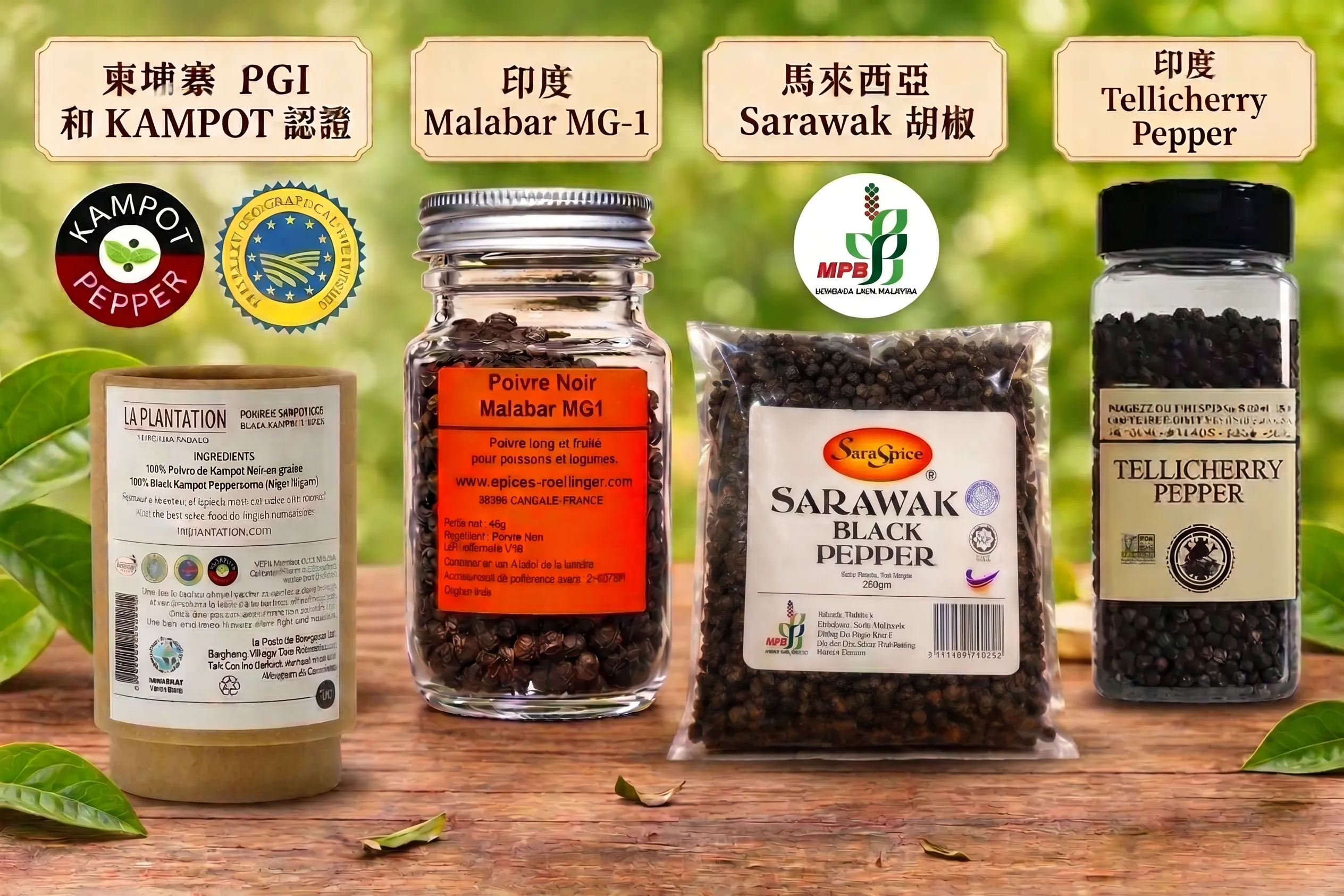
Like internationally renowned peppers, Taiwanese pepper is grown organically in small quantities and has a unique aroma; if it could be grown on a large scale, it could also be marketed internationally.
What to Know About Eating Pepper and Taking Piperine Supplements
Seasoning everyday food with a little pepper is generally nothing to worry about. However, pungent piperine irritates the stomach and intestines and has a mild effect on blood clotting. So if you have a sensitive stomach or have surgery scheduled soon, it is best to avoid dishes heavily seasoned with pepper, such as black-pepper hot-plate noodles or black-pepper beef strips…
What to Know Before Taking “Piperine” Health Supplements
Piperine is also often used in health supplements, combined with turmeric to raise the absorption of curcumin. If you regularly take supplements that combine “turmeric” with “piperine”, please note the following about taking “piperine”:
- Young children and people with sensitive stomachs: do not take it on an empty stomach, because pungent piperine irritates the stomach and intestines, and high doses may cause bloating, diarrhoea and excess stomach acid.
- People with surgery scheduled soon: piperine tends to have an anticoagulant effect and may raise the risk of bleeding during or after surgery. Avoid high doses for 2 weeks before surgery and during recovery afterwards.
- Pregnant and breastfeeding women: high doses of piperine may stimulate the uterus or affect metabolism.
- People taking anticoagulants, blood-pressure drugs or blood-sugar drugs: piperine inhibits metabolic enzymes in the liver and intestines (such as CYP3A4) and P-glycoprotein, slowing the metabolism of these drugs and leading to excessively high drug levels in the body. If you want to take it, consult a doctor or pharmacist first.
- Intake limit: according to the relevant ingredient recommendations of the Ministry of Health and Welfare (衛福部), the daily upper limit is 12 mg. Do not take more than this.
Turmeric (Turmeric): The Key to Colour, Flavour and Absorption
Many office workers and students who sit in air-conditioned rooms all day love curry, and one reason is that turmeric is said to warm the body and promote metabolism. When turmeric is combined with spices from many countries, such as ground coriander and ground cumin, it becomes curry powder; add seasonal ingredients and you can serve up Thai, Indian, Japanese and other exotic curries. Turmeric can even be added on its own to rice and vegetables to make turmeric rice or turmeric cauliflower, adding colour and fragrance to the dish.
Besides being used as a seasoning, turmeric has also joined the ranks of health foods for weight management and promoting metabolism.
Turmeric’s Japanese name and its name as a Chinese medicinal herb is “yujin” (鬱金; Japanese ukon, ウコン). In Chinese medicine, however, “jianghuang” (薑黃, turmeric) and “yujin” (鬱金) are different parts of plants of the same genus, with different strengths: one leans towards moving qi, the other towards cooling the blood. Do not confuse them when buying.
The Key Pairing: Why Should Turmeric Be Eaten with Black Pepper?
With the amounts of turmeric used in everyday cooking, there is no need to worry about how much you eat. The Joint FAO/WHO Expert Committee on Food Additives (JECFA) has set a safe upper intake limit of at most 3 mg per kg of body weight per day (about 1/2–1 teaspoon) of pure turmeric powder.
Women are generally advised to take care during menstruation, as it may lead to heavier bleeding. However, for women who feel cold or have a “cold” constitution in chilly weather, it may have a warming effect and help blood flow, so please eat it according to your own situation.
Intake and Who Should Avoid It
Curcumin is a fat-soluble nutrient, and the body generally absorbs it poorly. It is best eaten after a meal, so that “fat” from foods such as eggs, milk, nuts and meat can help the intestines absorb it.
Turmeric health supplements are usually combined with pepper to raise absorption, so when you cook with turmeric at home, don’t forget to add ground pepper to help your body make use of it!
Intake and Who Should Avoid It
Turmeric powder generally comes in two kinds: “turmeric powder” and “red turmeric powder”. Traditional Chinese medicine considers turmeric warming in nature, able to nourish the stomach and protect the gallbladder, promote blood circulation, lower blood lipids and strengthen resistance.
Because “red turmeric” has a higher curcumin content, it is often made into health supplements. Combined with black pepper, which is rich in “piperine”, it is said to increase bioavailability 20 times. Its promoted benefits for preventing dementia, fighting tumours and cardiovascular disease, and fighting cancer are still being researched, and there is no firm conclusion yet.
Groups Who Should Take Care:
Turmeric health supplements may interact with medicines. The following groups should consult a doctor or pharmacist before taking them:
- People with a “hot” constitution, people before or after surgery, pregnant women, and women with anaemia (it may affect iron absorption)
- People taking anticoagulants, antiplatelet drugs, blood-sugar-lowering drugs, or anti-rejection drugs after an organ transplant
- Patients with gallstones, bile duct problems, diabetes, calcium oxalate stones and similar conditions
- Patients taking several medicines at the same time
Avoid Taking Too Much:
Turmeric is a fat-soluble nutrient and cannot be excreted directly in urine. Any excess is stored in the liver and fatty tissue, making it harder to metabolise and eliminate.
The recommended intake is within 200 mg a day, which works out at roughly 5–10 g of turmeric powder a day, or 1–2 teaspoons. Follow the directions on the product label. High-dose curcumin products have been linked to cases of liver damage, so do not take too much.
Buying Safely: Look for Certification Marks
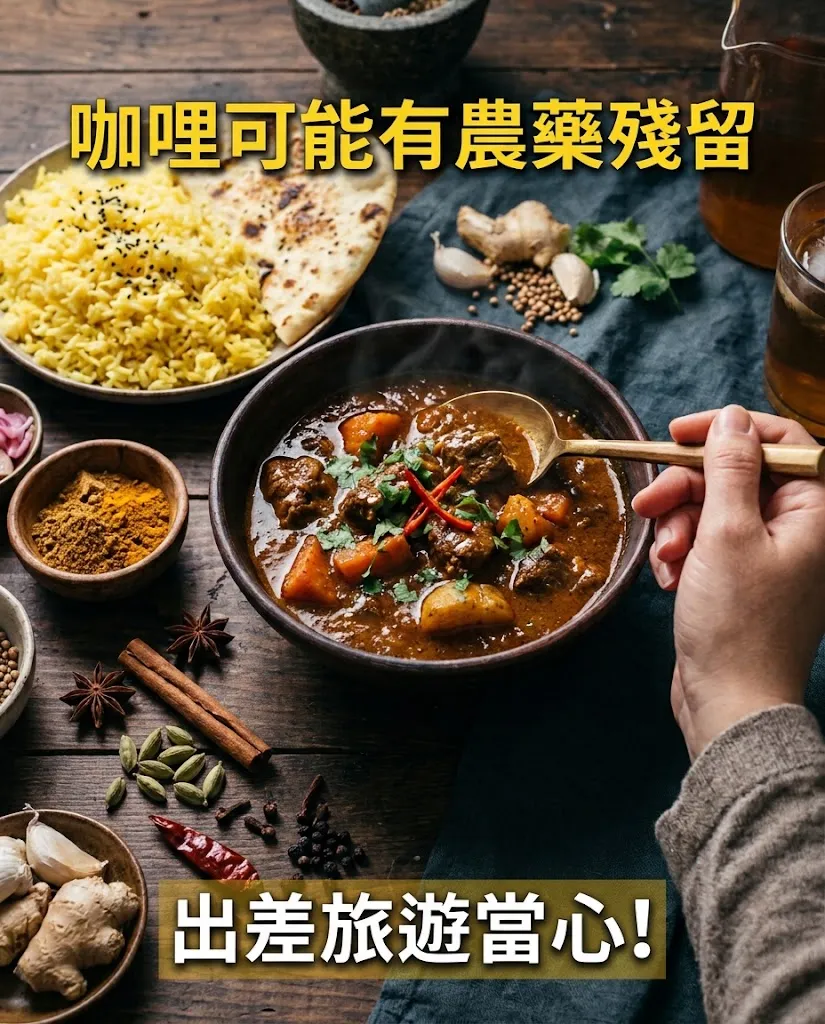
In recent years, imported ground pepper, turmeric powder, yujin powder and curry products have often been stopped or returned at border inspection because their colourings, fungal counts or heavy metal content were too high. Even so, imported products that reach the market through official import channels must all meet the permitted limits of the Act Governing Food Safety and Sanitation (《食品安全衛生管理法》), so there is no need to worry too much.
As for storage, turmeric’s natural yellow pigment fades easily in sunlight. To keep their products brightly coloured for longer, some businesses may add artificial colourings to turmeric powder, yujin powder or processed curry foods, whether imported or locally produced. So when eating out, consumers should avoid foods with an unnatural, fluorescent-yellow colour, such as fluorescent-yellow curry sauce.
When buying turmeric powder, yujin powder or curry products through ordinary retail channels, besides checking the expiry date and whether the packaging is damaged, you can give priority to products labelled “no pesticide residues”, “passed heavy metal testing” or “free of Sudan red dye”, or with “organic food” certification. Avoid grey-market imports of unknown origin, and your food will be safer.
Most locally produced turmeric powder is grown without pesticides, so there is no need to worry about pesticide residues. Most of it can also come with a production record or organic certification, and it can be bought from local farmers’ associations and organic food shops.
Storage Tips: Keep It Dry, Out of the Light and Free from Mould
Taiwan’s climate is hot and humid, so once opened, turmeric powder and curry products should be stored in dark, airtight glass jars, in a cool, well-ventilated place out of direct sunlight.
Each time you open turmeric powder that is still within its shelf life, check for damp clumping, mould, odd smells or discolouration. Mouldy turmeric powder produces aflatoxins and ochratoxin A, which are highly carcinogenic. If anything seems wrong, throw it away and do not eat it.
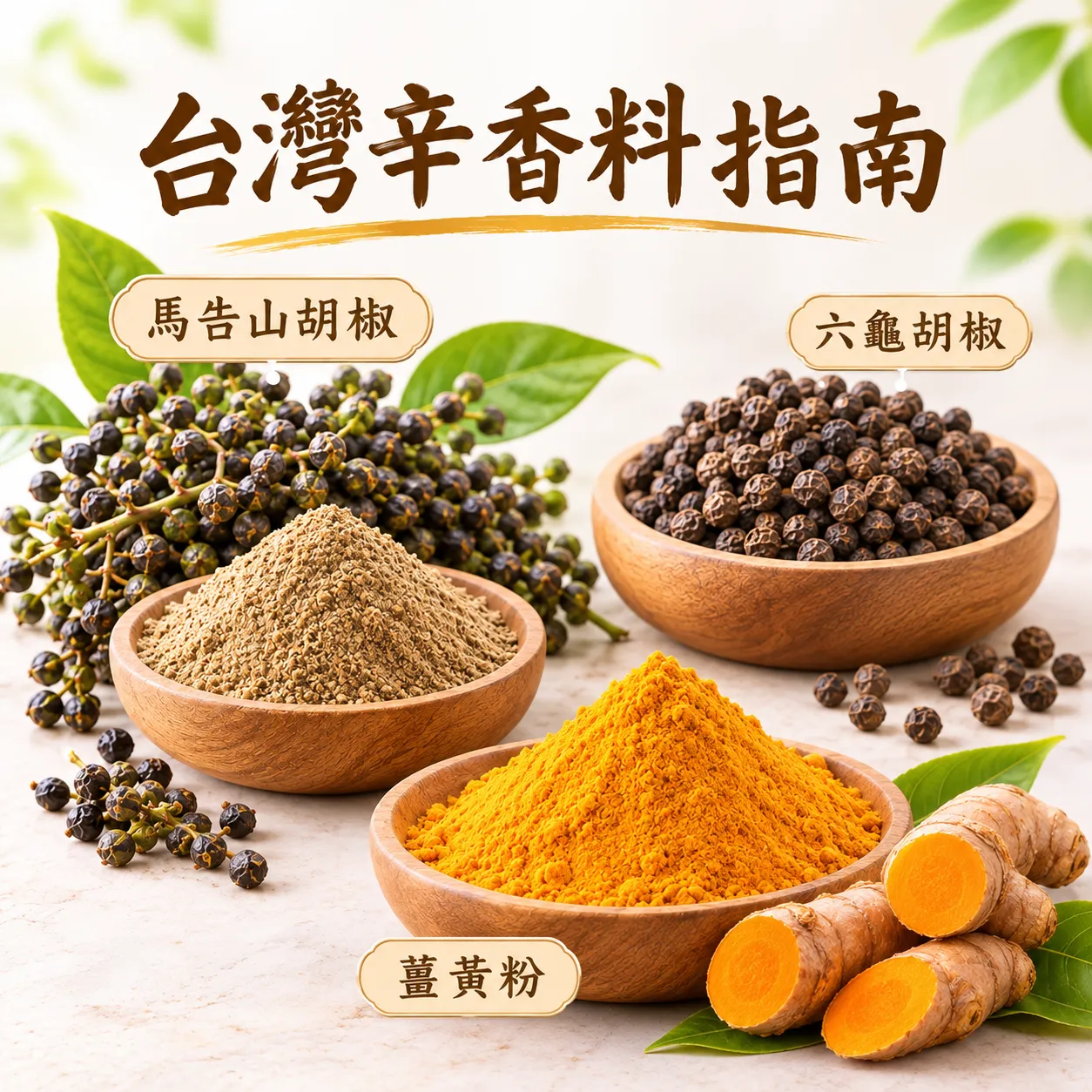
In the image: “A guide to Taiwanese spices”: maqaw mountain pepper · Liugui pepper · turmeric powder.
Notes:
https://www.agriharvest.tw/archives/105971/〈口腔中旋轉、爆裂的風味宇宙!「山林黑珍珠」山胡椒〉 “A universe of flavour spinning and bursting in the mouth! ‘Black pearls of the mountain forest’: mountain pepper”
https://consumer.fda.gov.tw/Food/MaterialDetail.aspx?nodeID=160&id=17384 “Subcategory: ingredients prepared from herbaceous and woody plant sources: piperine”, Food Ingredient Integrated Query Platform (〈次分類:草、木本植物類來源製取之原料 胡椒鹼〉食品原料整合查詢平臺)
Enjoyed this article? Get the newsletter
Our newsletter is written in Chinese for now: new articles and series, with an editor’s note. No spam, and you can unsubscribe at any time.