標籤

Animal Welfare

Space, freedom of movement and health for farm animals, and how they relate to yields and food safety.

3 articles · Topic: Food Production & Animal Husbandry

  1. Taiwan's Antibiotic-Free Farming Revolution: Farewell to Antibiotics, Hello to the Age of One Health

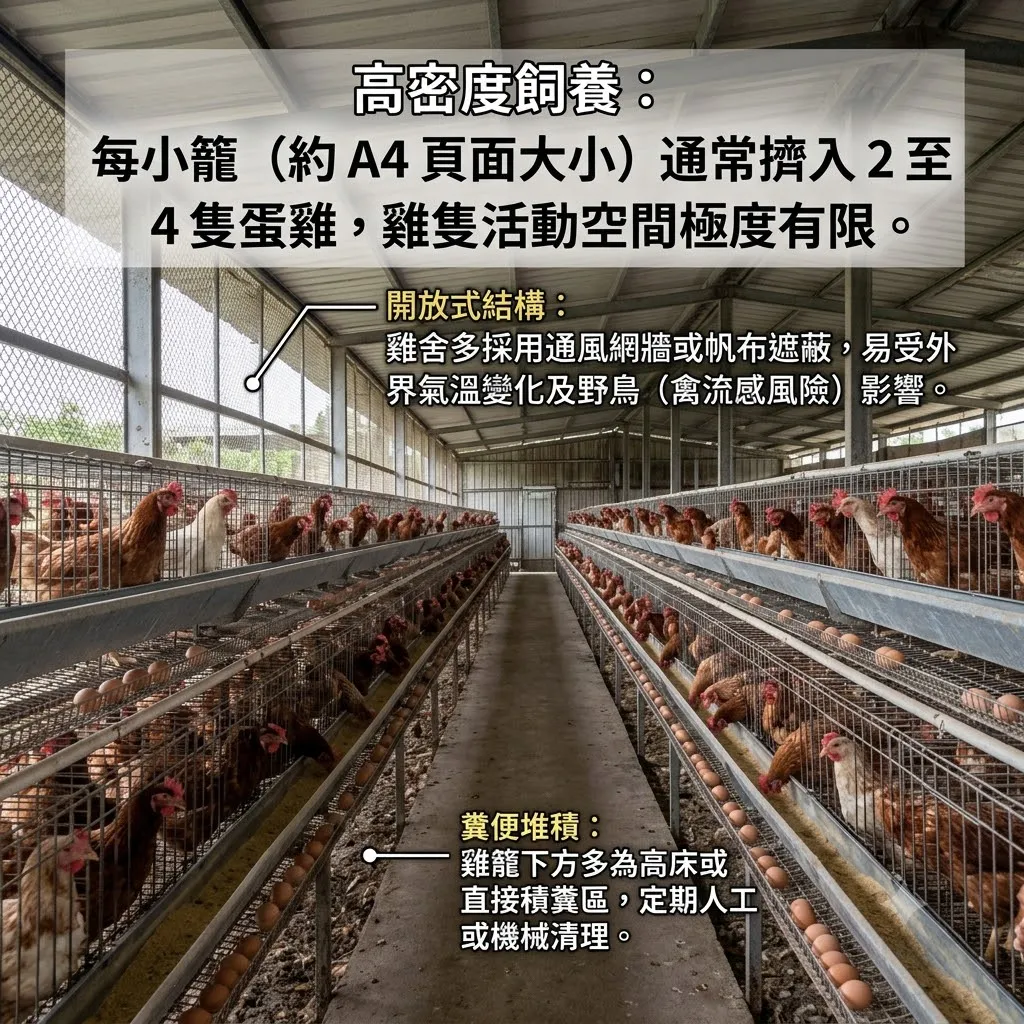
    Traditional open cage farming affects the surrounding environment: the clucking can disturb neighbours, visiting insects and birds are a nuisance, the smell spreads on the air, zoonotic diseases such as H5N1 avian flu can spread, and antibiotics used for prevention and treatment cause drug resistance and residues.
  2. Battery Cages or Barns? How Housing Affects Laying Rates, Egg Quality and Animal Welfare

    Taiwan keeps about 45 million laying hens. Chickens are broadly divided into broilers and layers: hens lay eggs and roosters are raised for meat. Broilers are slaughtered after a set time (about 35 days for white broilers), while laying hens are kept until about 18 months to 2 years old, when their laying rate falls.

  3. Beyond Egg Shortages and Battery Cages: Evaporative-Cooling, Barn and Free-Range Farms Compared on Cost and Animal Welfare

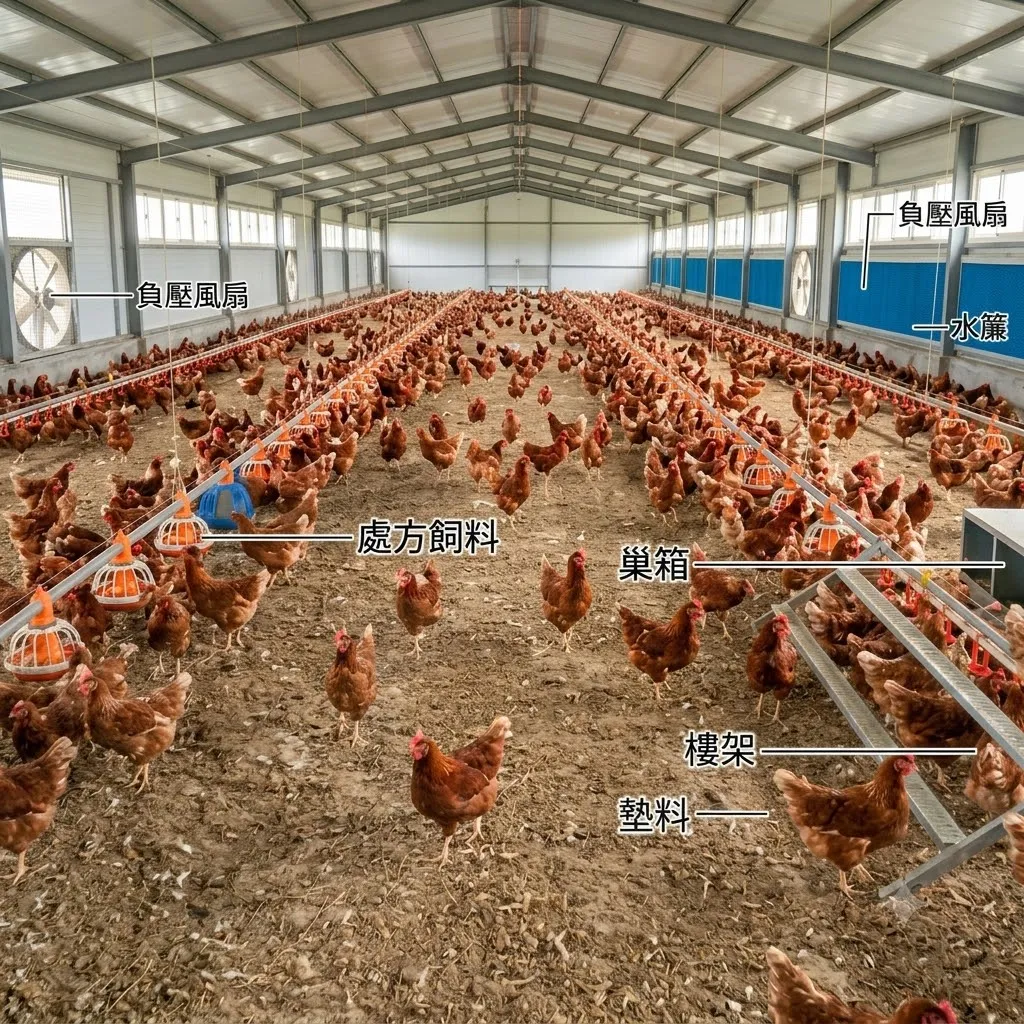
    In December 2015, out of concern for animal welfare, the Council of Agriculture encouraged egg producers to produce eggs in welfare-friendly ways and drew up the “Definitions and Guidelines for Egg Friendly Production Systems”, which include a limit of no more than 6.25 laying hens per square metre, so that lower stocking densities raise stronger, healthier hens.