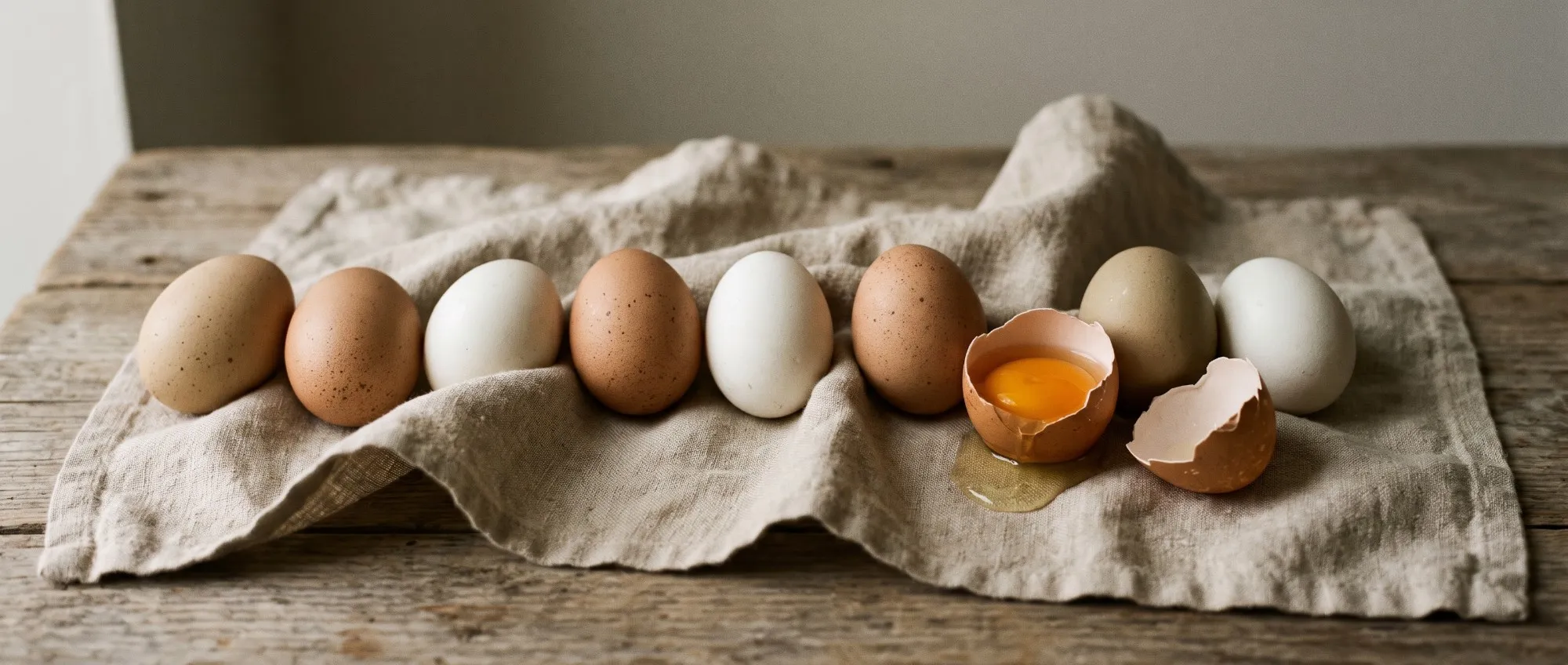
Series · 6 chapters
The Truth About an Egg
From egg shortages, how hens are kept and food-safety scares to buying and storing eggs: a step-by-step guide to the most common food on the table.
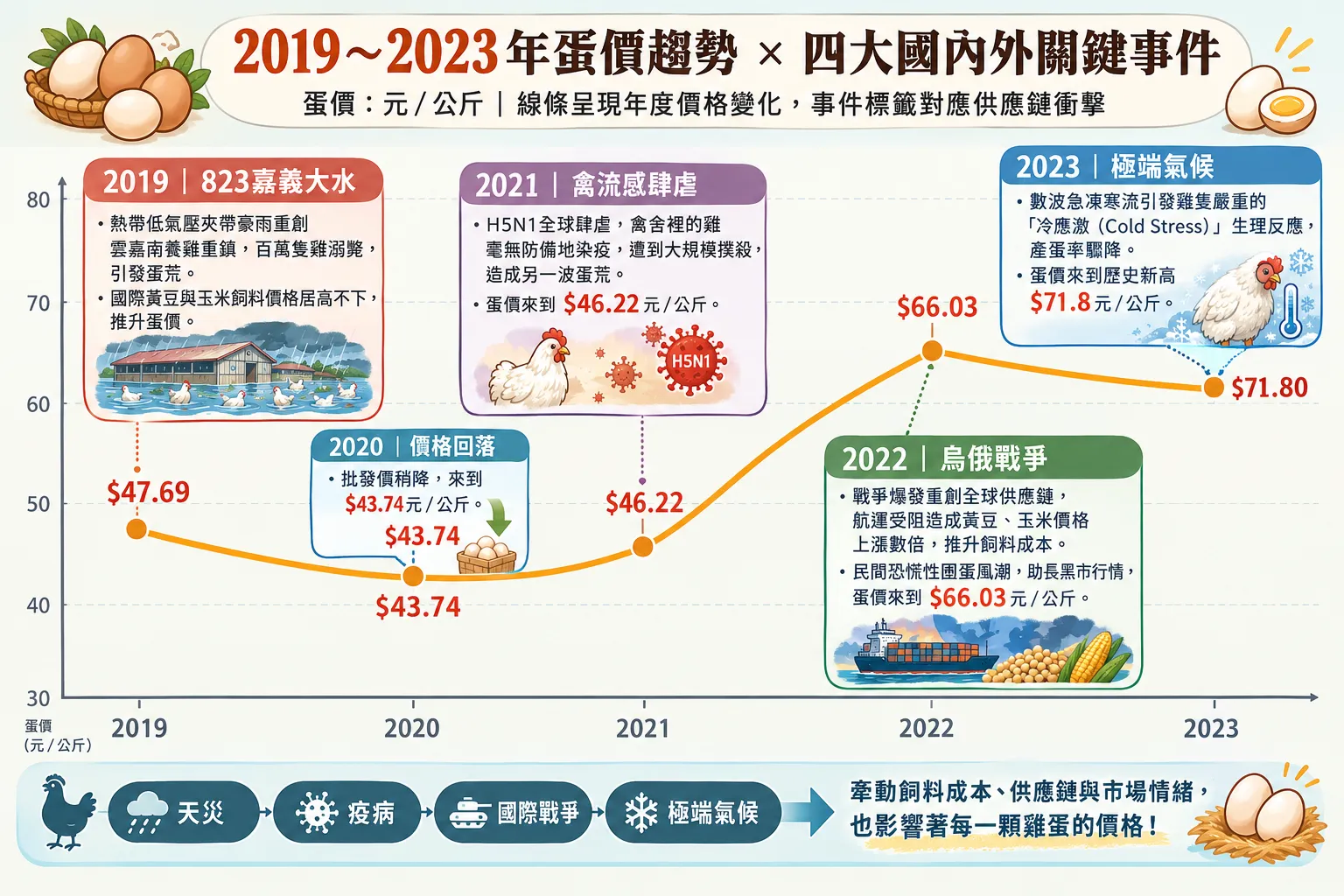
Start with chapter 1- 01A 52% Laying Rate? The Truth Behind Taiwan's Egg Shortages: Disasters, Black Markets and Imported EggsFrom the first hot egg crepe of the morning to lunch and dinner boxes and afternoon desserts and drinks, eggs are everywhere in Taiwanese food. According to Legislative Yuan data, Taiwan has about 43 million laying hens producing around 22.3 million eggs a day, just enough to meet domestic demand.
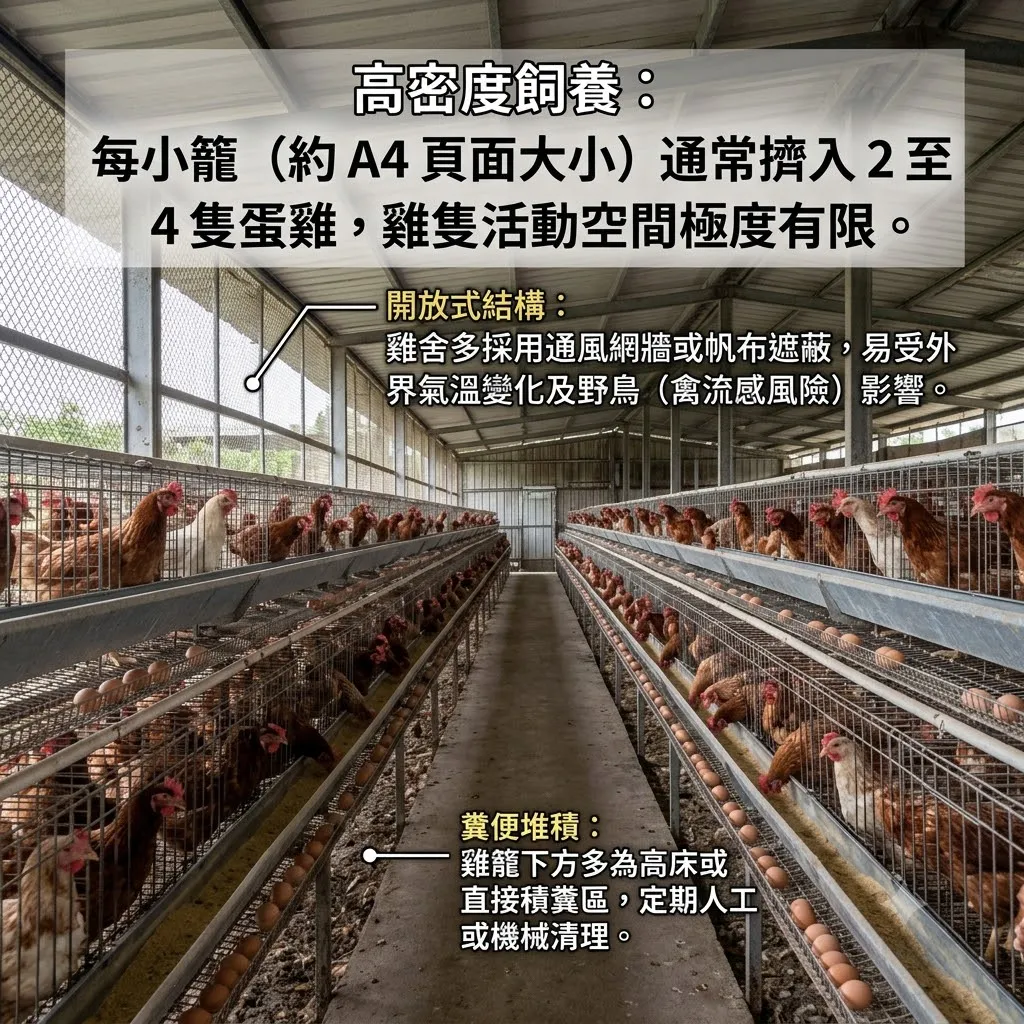
- 02Battery Cages or Barns? How Housing Affects Laying Rates, Egg Quality and Animal WelfareTaiwan keeps about 45 million laying hens. Chickens are broadly divided into broilers and layers: hens lay eggs and roosters are raised for meat. Broilers are slaughtered after a set time (about 35 days for white broilers), while laying hens are kept until about 18 months to 2 years old, when their laying rate falls.
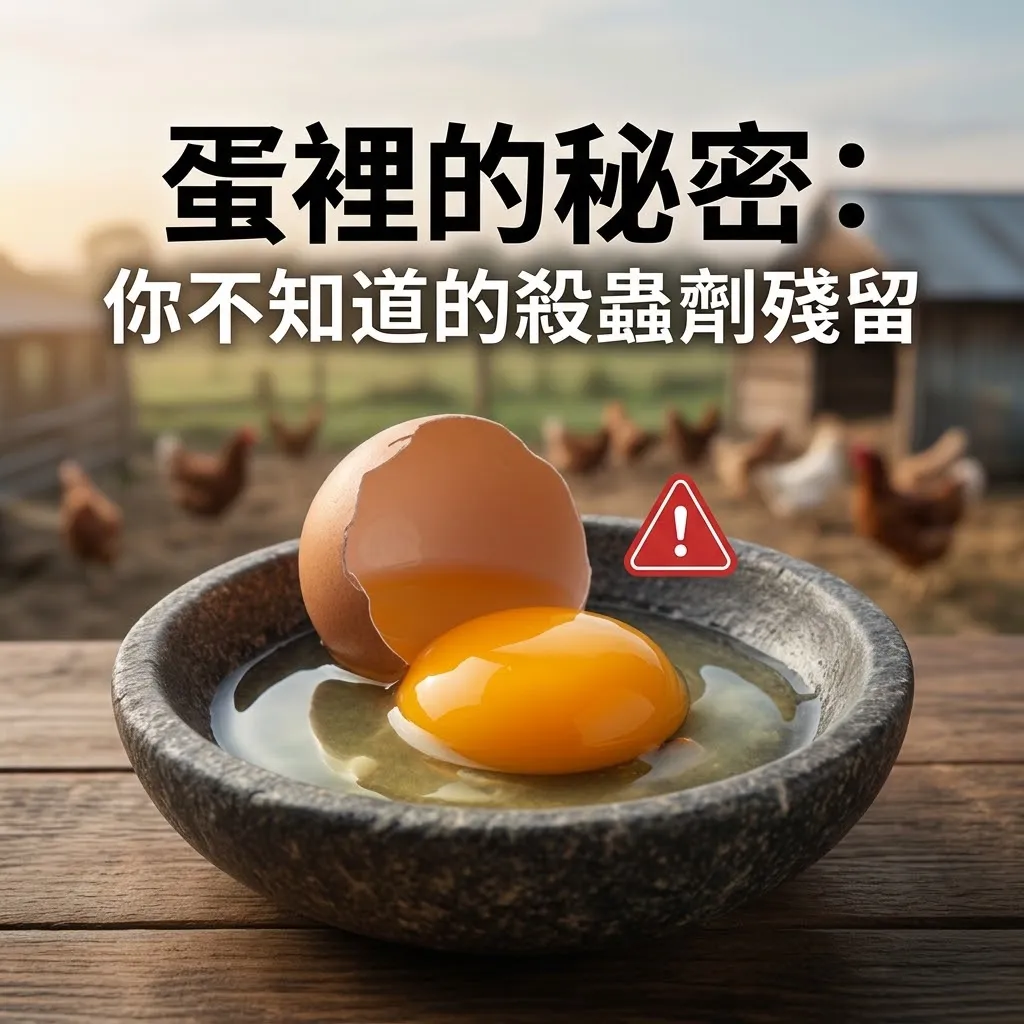
- 03Is the Fipronil Egg Scandal Back? Food-Safety Crises from 2017 to 2025, Pesticide Residues and TraceabilityPesticide residues are not only a problem for fruit and vegetables. Besides concerns over residues of the herbicide glyphosate in the imported soybeans and corn fed to chickens, eggs are also at risk of contamination with the insecticide fipronil because of poor management of chemicals used around farms. Over the past 10 years, fipronil-tainted eggs have swept the globe and stirred up trouble in Taiwan too.
- 04The Hidden Risks Behind Convenient Liquid Egg, and How to Choose and Store Washed and Bulk EggsEarly every morning, delivery drivers weave through the streets, dropping off stacks and baskets of eggs (about 200 per large basket) at breakfast shops, eateries, bakeries, corporate caterers, traditional markets and grocery stores waiting to restock their egg supplies.
- 05Should You Wash Eggs When You Get Them Home? Cleaning, Storing and Eating Bulk and Washed Eggs RawWhether it's “bulk eggs” or “washed eggs”, most consumers are torn over whether to wash them: they worry about washing off the egg's protective layer, but if they put eggs straight into the fridge unwashed, they worry about invisible dirt and germs (Salmonella, E. coli and avian flu virus) clinging to the shell.

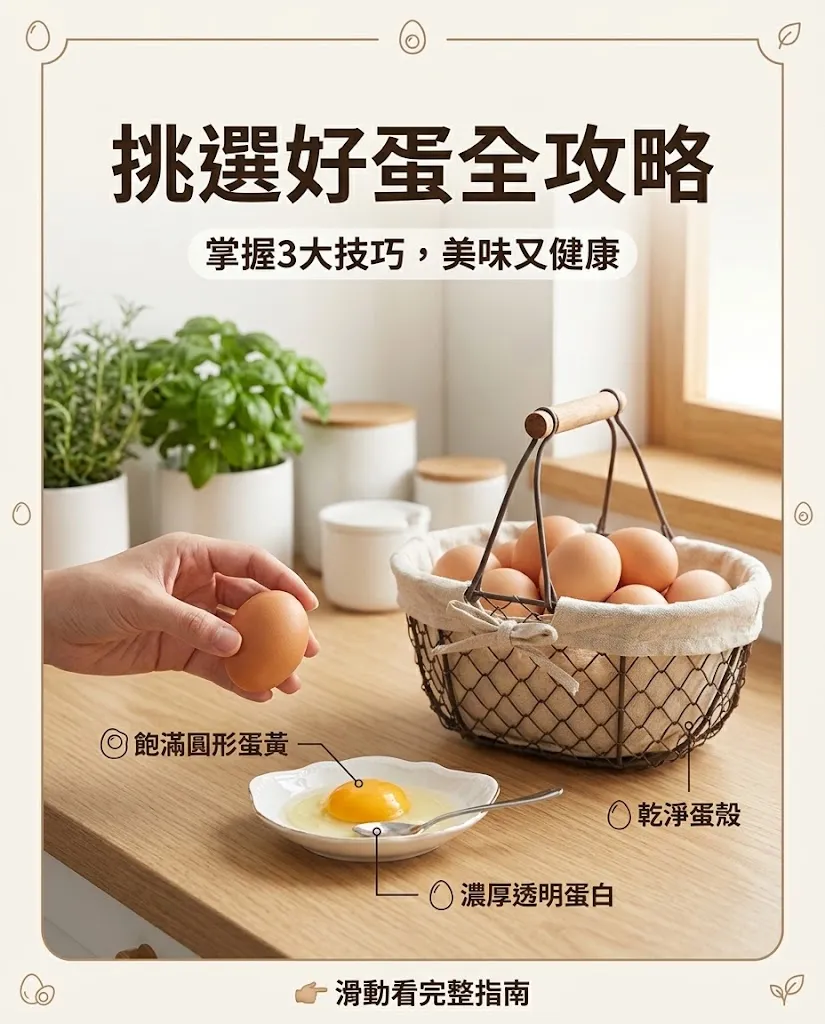
- 06How to Choose Good Eggs: Haugh Units, Shell Colour, Functional Feed and the Nutrition of 5 Egg TypesWhen shopping or eating out, what signs tell you about an egg's quality? Is an egg's nutrition linked to the colour of its shell or yolk, or to the breed of hen? Can egg nutrition and flavour now be made to order?