議題

Pesticides, Veterinary Drugs & Additives

The question is not whether they are used, but which, how much, and how much residue is still within the rules. 12 articles.

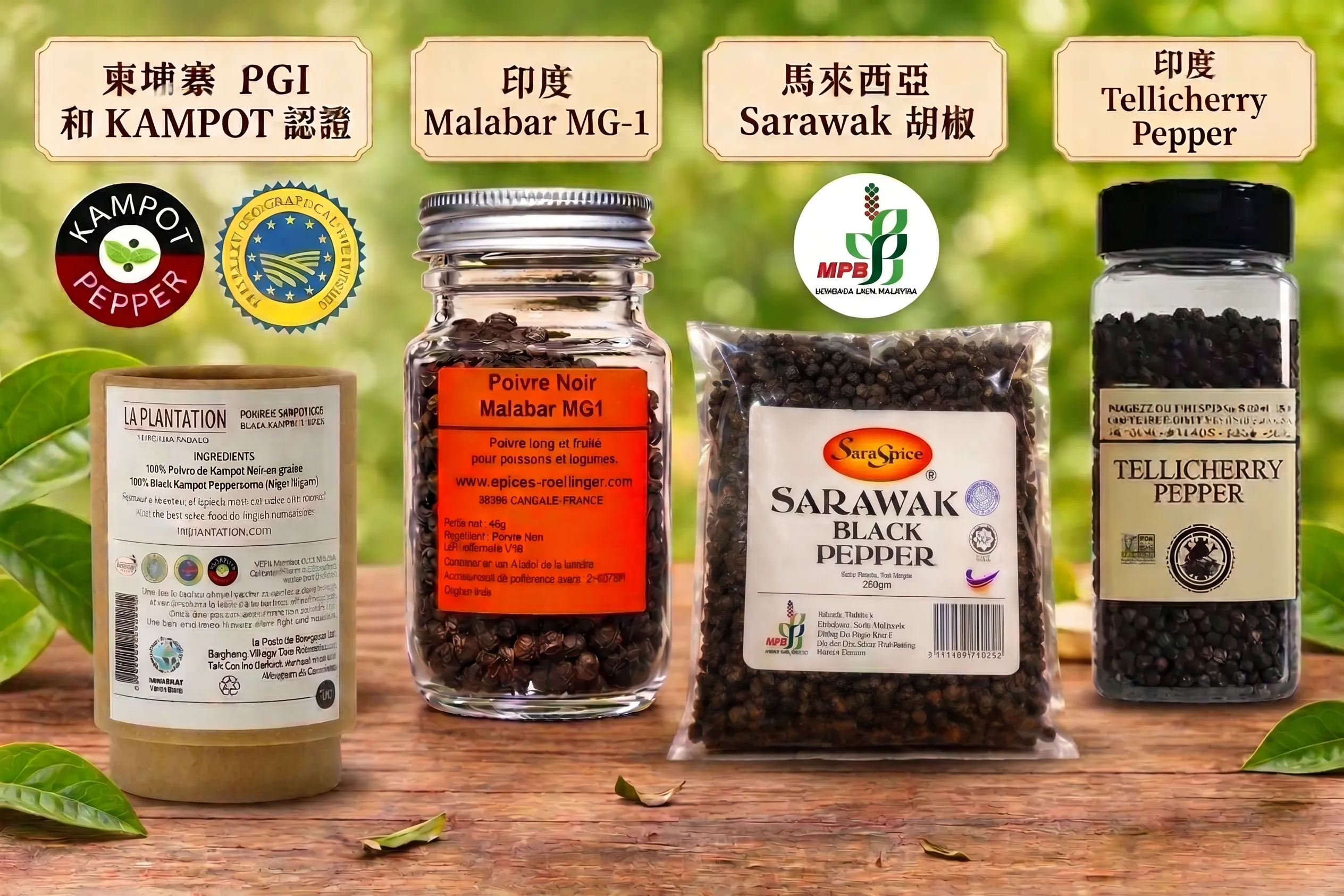
  1. A Field Guide to the World's Pepper: Black, White, Green and Red, Origins, Grades, Buying Tips and Food-Safety Alerts

    The same pepper vine gives pepper of different colours and heat depending on when it is picked and how it is processed. Black, white, green and red pepper each have their own character: black is lively, white is restrained, and green and red are mild, bright spices.
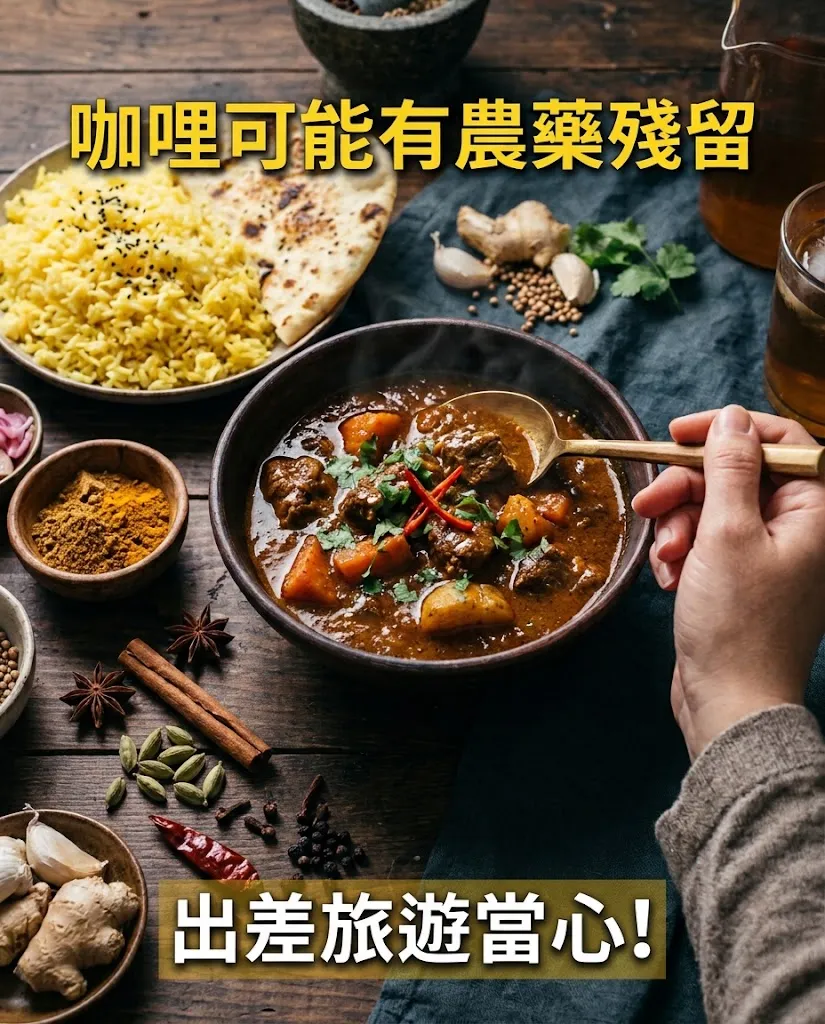

  2. Pesticide Residues in Imported Curry and Soaring Prices: Is It Still Safe to Eat? Curry Nutrition, Safety and Buying Tips

    Curry is one of the most popular dishes on food-delivery platforms all year round: it whets the appetite, its thick sauce is filling, and it holds its heat and flavour well. Curries from abroad come in many styles, from rich northern Indian and fiery southern Indian curries to sweet, fruity Japanese curry and fragrant Thai and Malaysian curries.

  3. The Hidden Risks Behind Convenient Liquid Egg, and How to Choose and Store Washed and Bulk Eggs

    Early every morning, delivery drivers weave through the streets, dropping off stacks and baskets of eggs (about 200 per large basket) at breakfast shops, eateries, bakeries, corporate caterers, traditional markets and grocery stores waiting to restock their egg supplies.

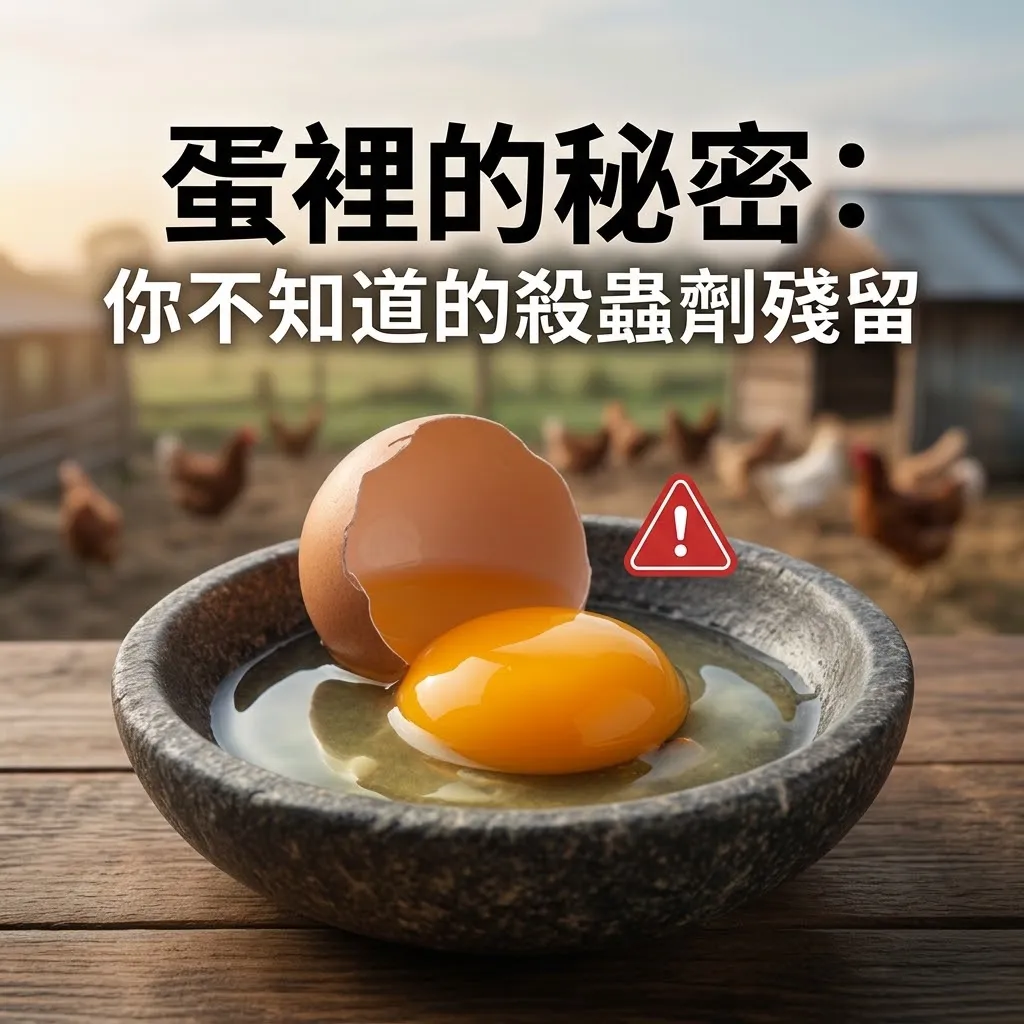
  4. Is the Fipronil Egg Scandal Back? Food-Safety Crises from 2017 to 2025, Pesticide Residues and Traceability

    Pesticide residues are not only a problem for fruit and vegetables. Besides concerns over residues of the herbicide glyphosate in the imported soybeans and corn fed to chickens, eggs are also at risk of contamination with the insecticide fipronil because of poor management of chemicals used around farms. Over the past 10 years, fipronil-tainted eggs have swept the globe and stirred up trouble in Taiwan too.

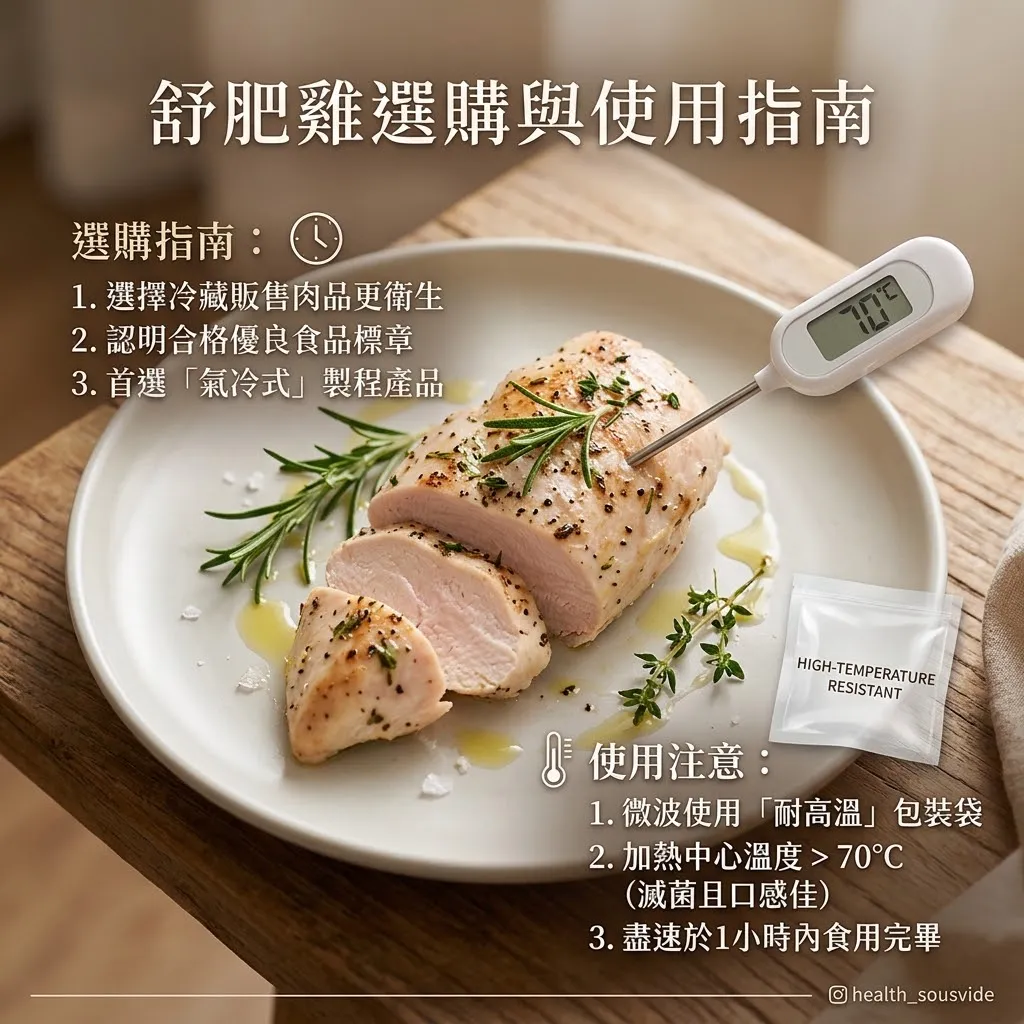
  5. Is Sous Vide Chicken Really Healthy for Weight Loss? Low-Temperature Risks, Additives and Choosing Air-Chilled Chicken

    With the rise of fitness, weight loss and health awareness, “sous vide chicken” has become a smart way to get protein without extra fat and calories. A single 100 g pack meets the basic protein needs of one meal, 22–24 g, making it a good nutritional companion for people trying to get fit, lose weight or just short of time.

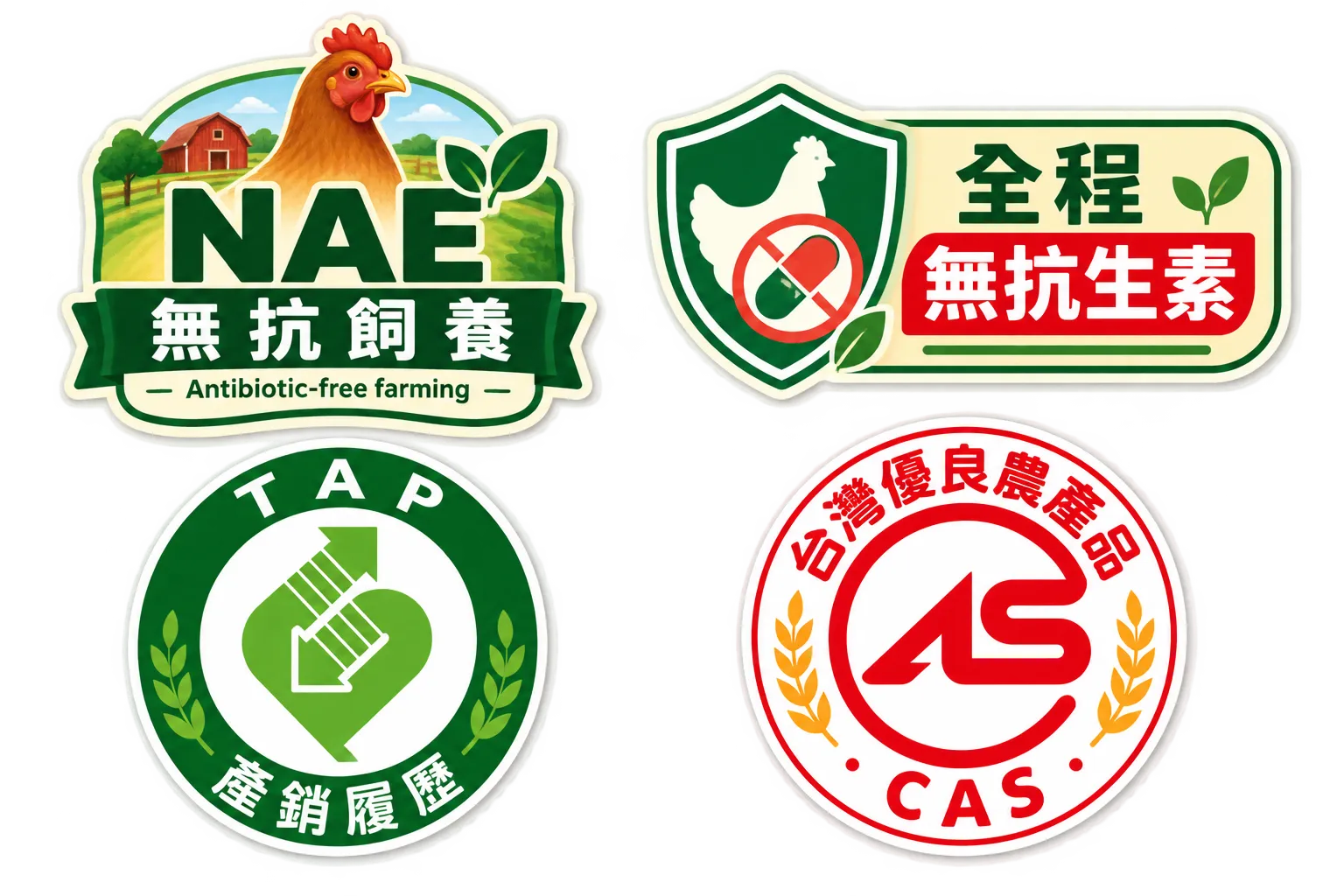
  6. Taiwan's Antibiotic-Free Farming Revolution: Farewell to Antibiotics, Hello to the Age of One Health

    Traditional open cage farming affects the surrounding environment: the clucking can disturb neighbours, visiting insects and birds are a nuisance, the smell spreads on the air, zoonotic diseases such as H5N1 avian flu can spread, and antibiotics used for prevention and treatment cause drug resistance and residues.

  7. A Hidden Food-Safety Threat: Glyphosate's Rise Against the Tide in Taiwan. Are Antibiotic-Free Chickens Really Safe?

    If chickens are advertised as “raised without antibiotics”, can consumers stop worrying? Unfortunately, not using antibiotics does not remove every food-safety risk: the feed chickens eat and the environment they grow up in can also expose them to risk factors, such as the insecticides and herbicides used against parasites and weeds.

  8. Are Taiwan's Chickens and Eggs Given Antibiotics? The History of Fast-Growing Broilers and the Truth About Resistance

    Modern farming can raise a 2.72 kg broiler in 35 days thanks to advances in breed selection and husbandry, cutting the rearing period from 112 days to nearly a third, on less feed, to produce fast-growing breeds about 2.5 times the weight of purebred chickens.

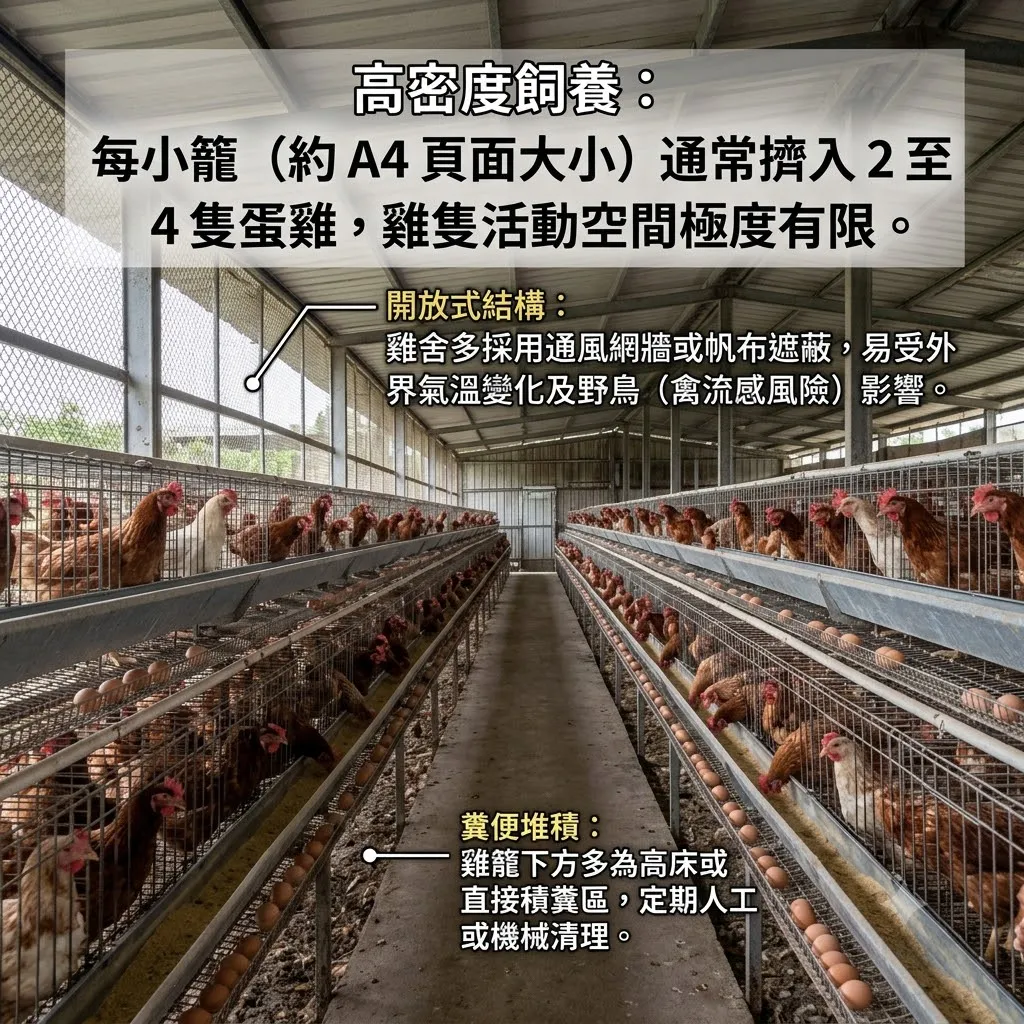
  9. H5N1 Crosses Species: Inside the “A4-Sized” Battery Cages on Taiwan's Chicken Farms, and Why Bird-Flu Culls Still Soar

    From January to May 2026, an H5N1 avian flu outbreak in Taiwan led to about 330,000 birds being culled on 14 farms in 6 counties and cities. In April, a chicken farmer in Fengyuan was fined NT$1.18 million for concealing the outbreak and allegedly selling eggs from infected flocks. The outbreak is in fact linked to bird-flu events around the world…

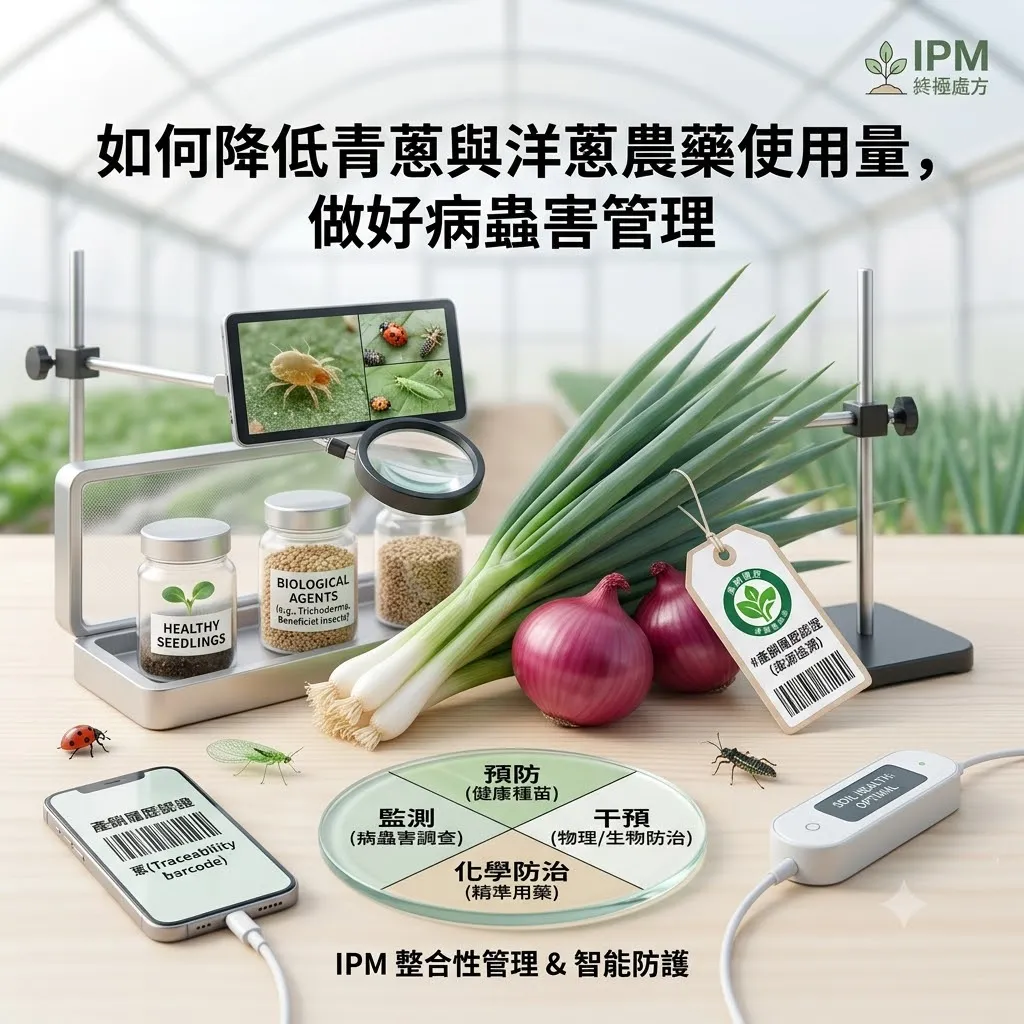
  10. Scallions Under Threat from Torrential Rain and Pesticide Residues: Smart Greenhouses, Toxin-Free Farming, Traceability and IPM

    In the two decades after the Second World War (the 1940s to 1960s), farmland was over-sprayed with pesticides, polluting groundwater and soil and even making pests resistant to the chemicals, so that problems became harder to control.

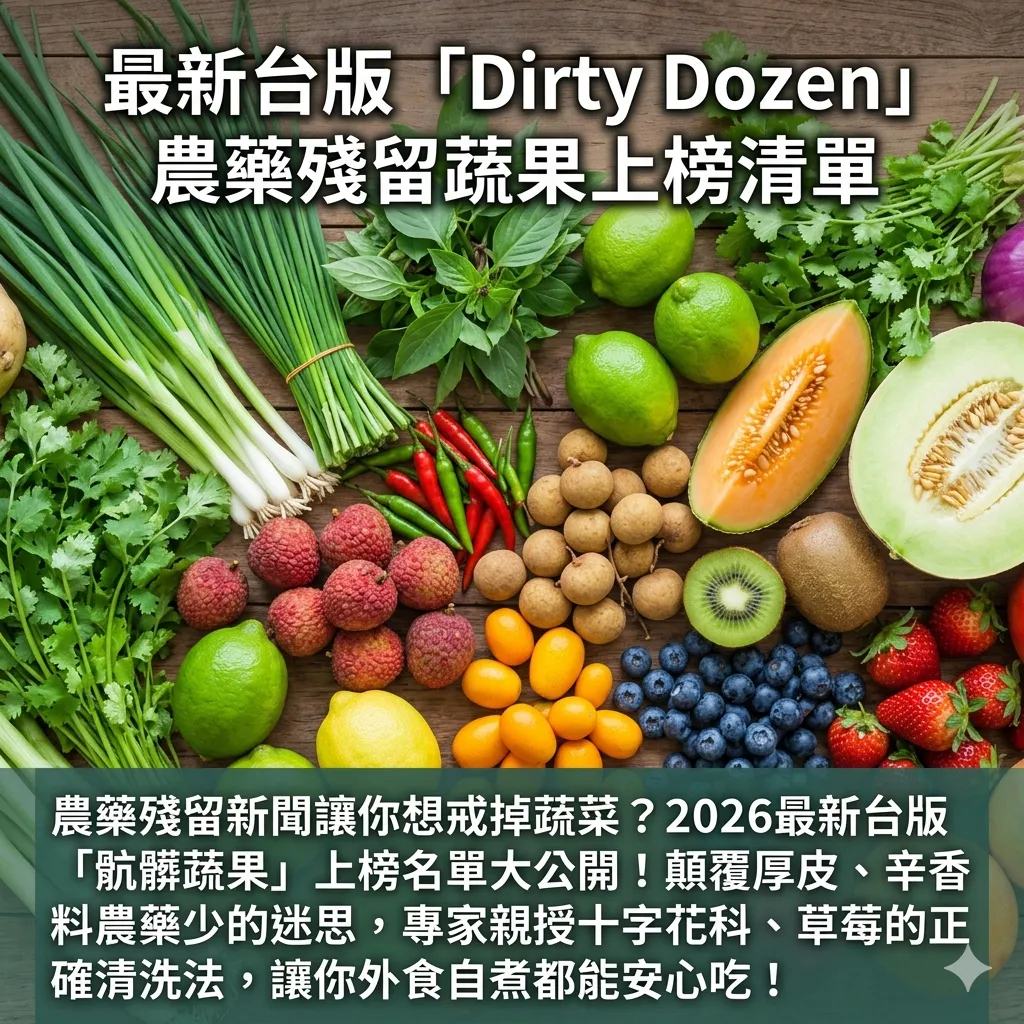
  11. Choose Smart, Wash Right: Busting Myths About Pesticide Residues on Fruit and Vegetables for a Balanced Diet

    News about pesticide residues on farm produce, followed from April to June 2026, has made it hard for many consumers who care about a balanced diet to eat fruit and vegetables with peace of mind, and has even given students who never liked vegetables a perfect excuse to skip them. Do we really have to raise our budget for organic vegetables or salads to eat a balanced diet?

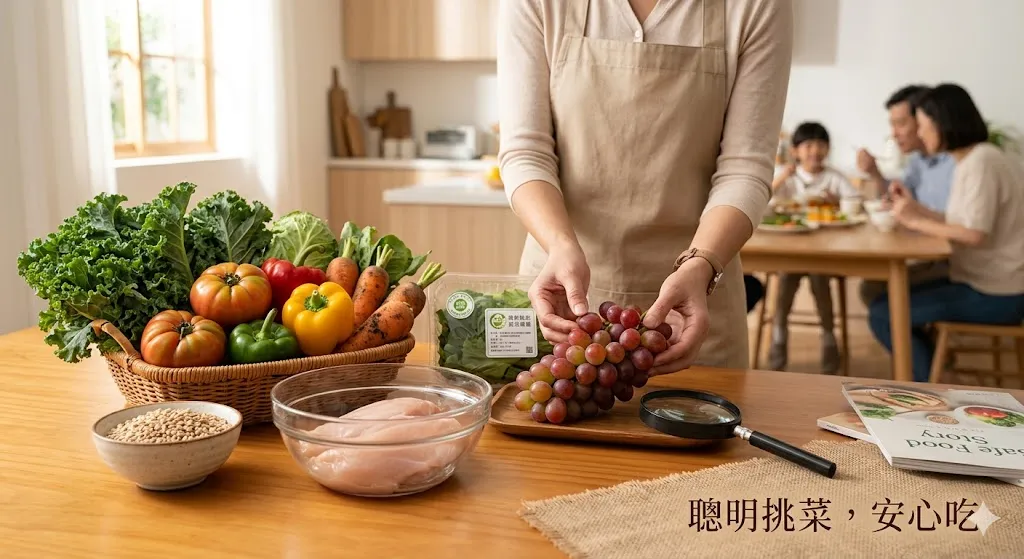
  12. The Truth About Food Safety: Don't Be Fooled by Looks. “Good-Looking” Food Can Hide Food-Safety Risks

    The dining table is at the heart of our emotional bonds, bringing together the people who share it and weaving countless shared memories. A restaurant that is always busy is sure to have mouth-watering dishes, and behind them lies not only the chef's skill and secret sauces but, more importantly, careful choice of where the ingredients come from.