議題

Agritech & Sustainability

Genetic modification and gene editing, smart farming, food security under climate change, and sustainable farming. 9 articles.

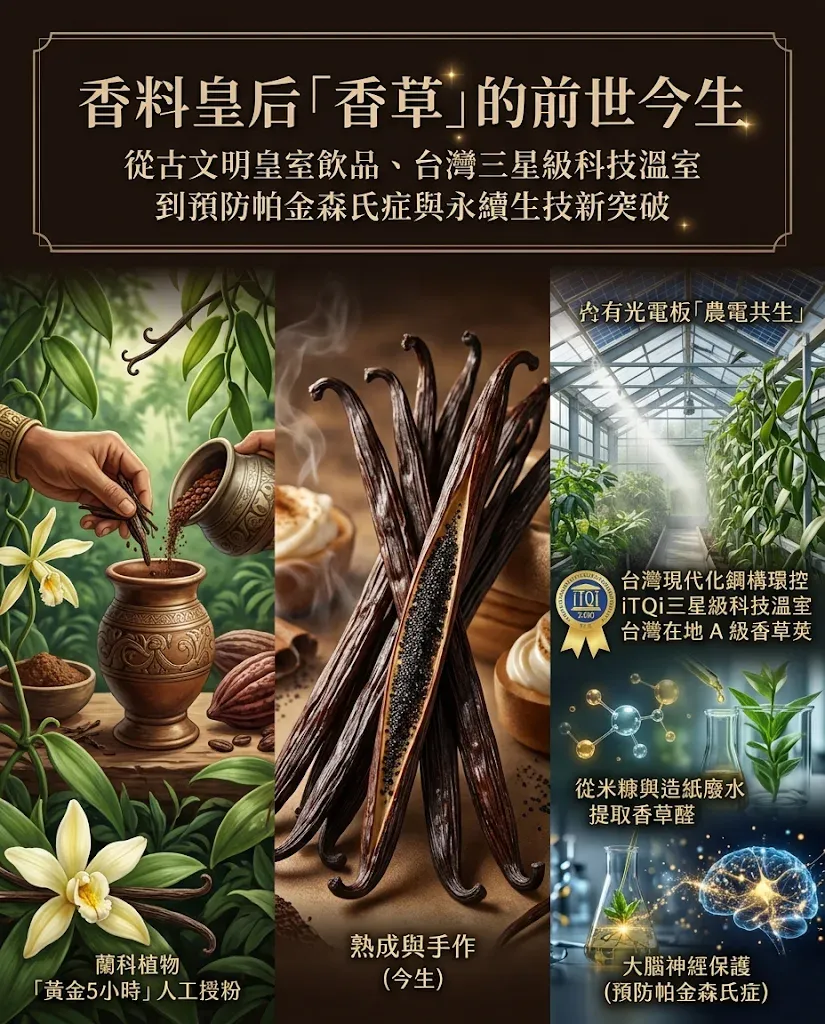
  1. Vanilla, Queen of Spices: From Royal Drinks to Taiwan's Three-Star Greenhouses, Brain Health and Green Biotech

    Known as the “Queen of Spices”, vanilla is the only member of the vast orchid family whose fruit (the vanilla pod) is edible. A climbing plant native to tropical rainforests, its fragrance has become the soul of desserts and ice creams around the world.
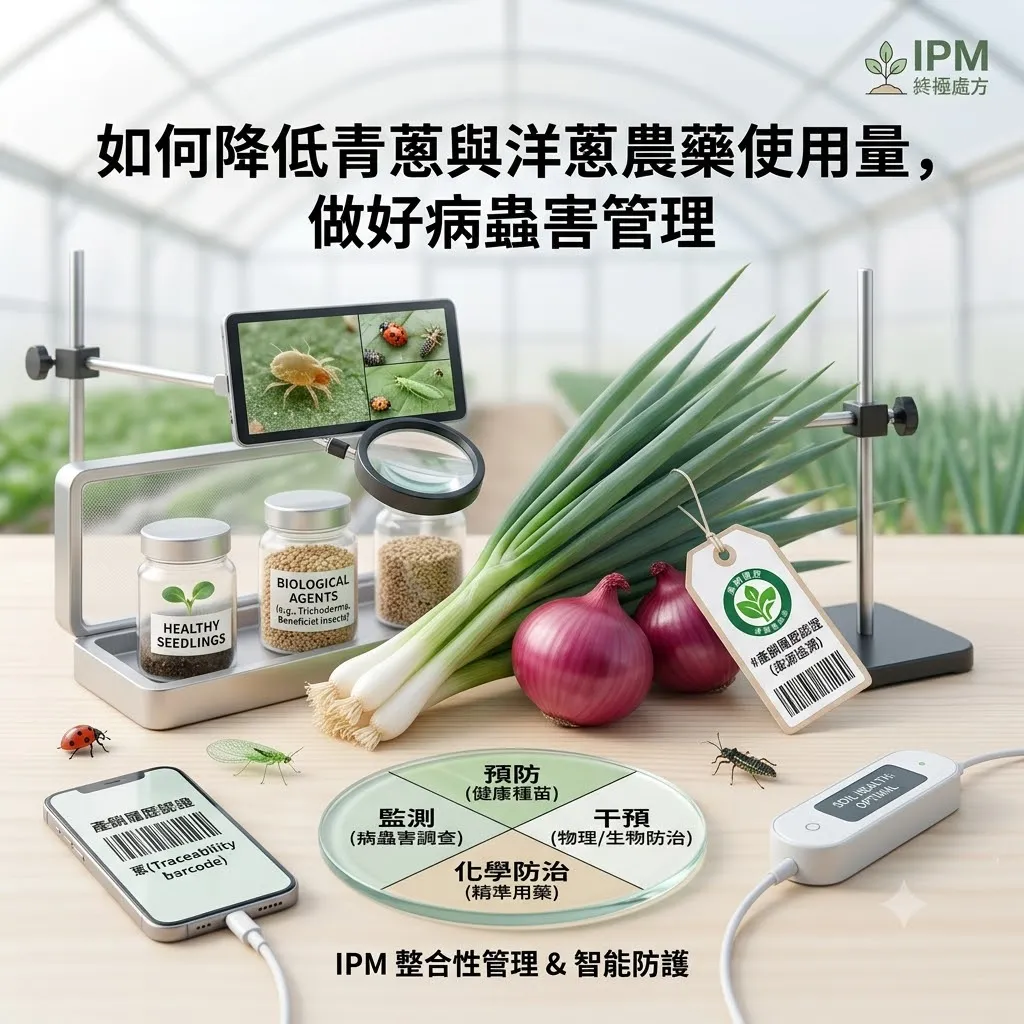
  2. Scallions Under Threat from Torrential Rain and Pesticide Residues: Smart Greenhouses, Toxin-Free Farming, Traceability and IPM

    In the two decades after the Second World War (the 1940s to 1960s), farmland was over-sprayed with pesticides, polluting groundwater and soil and even making pests resistant to the chemicals, so that problems became harder to control.

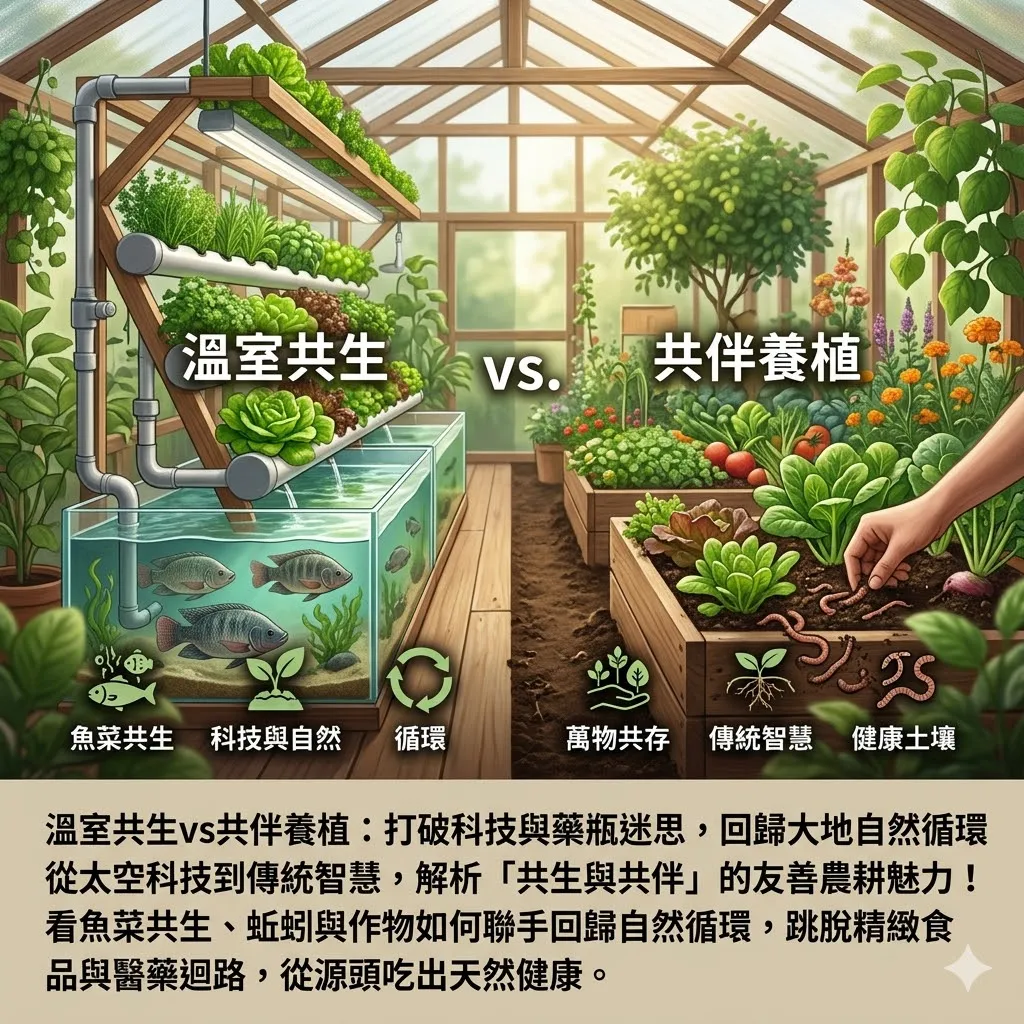
  3. Greenhouse Symbiosis vs Companion Planting: Beyond the Myths of Technology and Pesticide Bottles, Back to Nature's Cycles

    In June 2026, cash-burning rocket company SpaceX held its initial public offering (IPO), and money-hungry investors piled in, pushing entrepreneur Elon Musk's net worth past one trillion US dollars. This financial headline seems to have nothing to do with GM crops, yet the two can be linked, at a stretch.

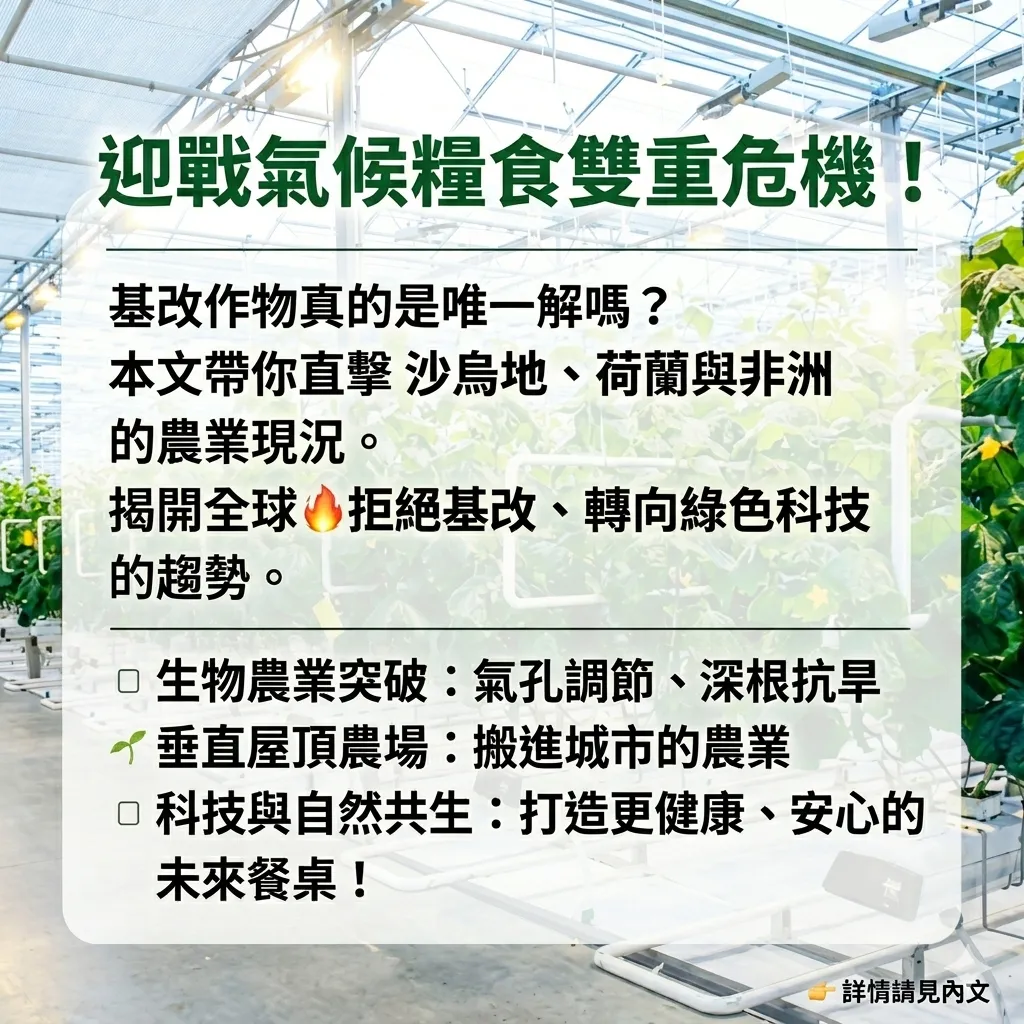
  4. Do Extreme-Climate Regions Need GM Crops? Innovative Paths from Biotechnology and Urban Farms

    GM crops were originally meant to solve food crises under climate change: they are stress-resistant, can grow in harsh polar and desert conditions, and are drought- and pest-resistant with less pesticide use. But do countries with extreme climates actually grow them widely?

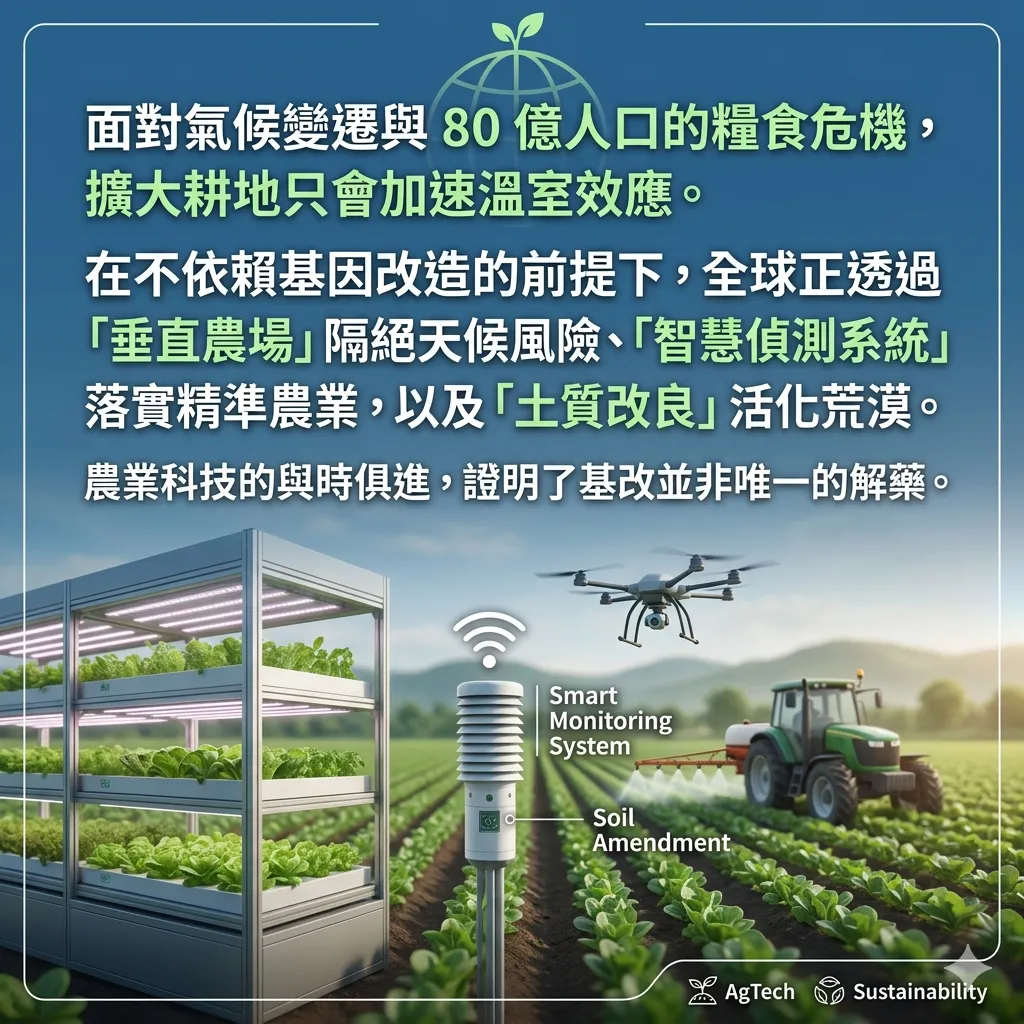
  5. Sweat and Rain Before GMOs: How Smart Farming Is Driving a Non-GM Green Revolution

    The world's population has reached 8 billion. Feeding everyone on Earth through traditional food production usually means expanding farmland, clearing mountain forests and shrinking the rainforests, which accelerates global warming, reduces biodiversity and drives regional climate change.

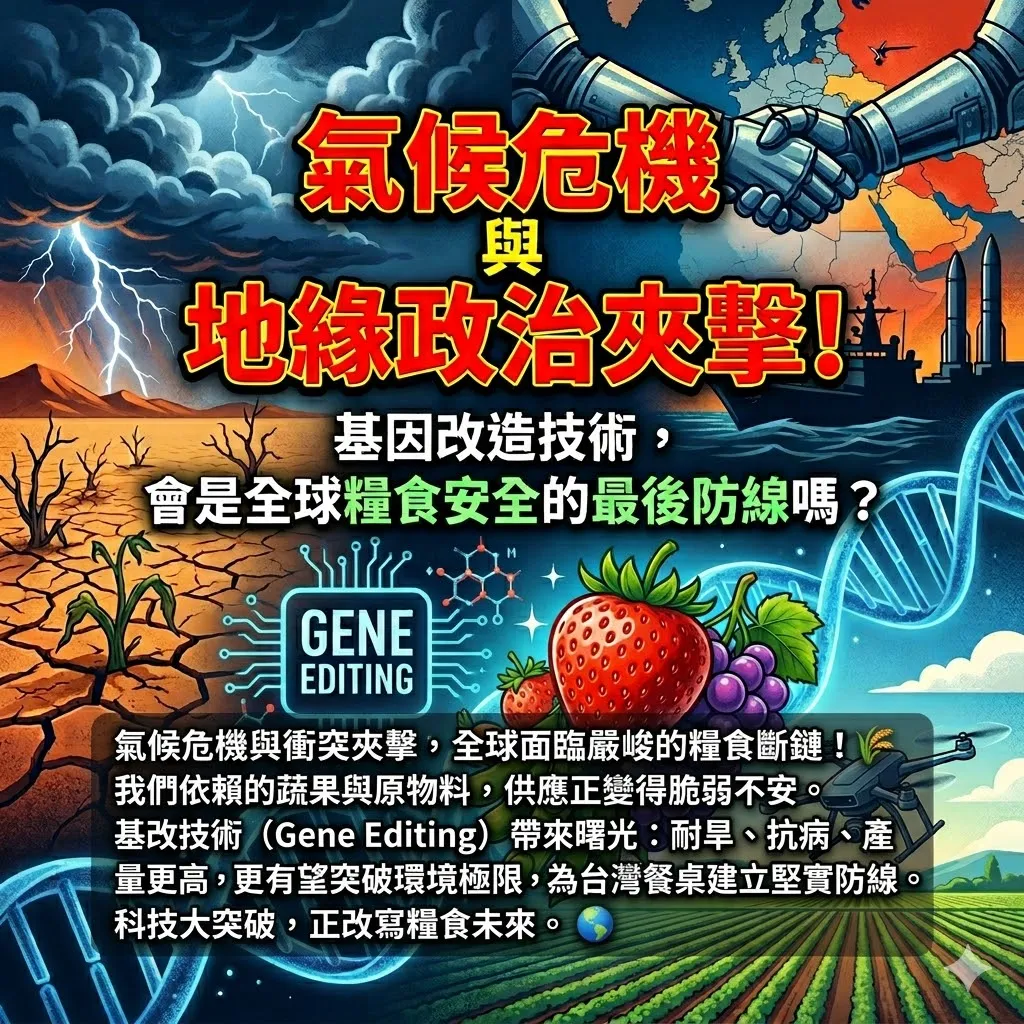
  6. Squeezed by Climate Crisis and Geopolitics: Could Genetic Modification Be the Last Line of Defence for Global Food Security?

    Genetically modified organisms (GMOs) have been developed for more than fifteen years and are still being researched in many countries. Although GMOs have underperformed in the field and in the market, global warming and increasingly normal extreme weather have strengthened countries' resolve to develop them, and GMOs will become key to breaking through adversity.

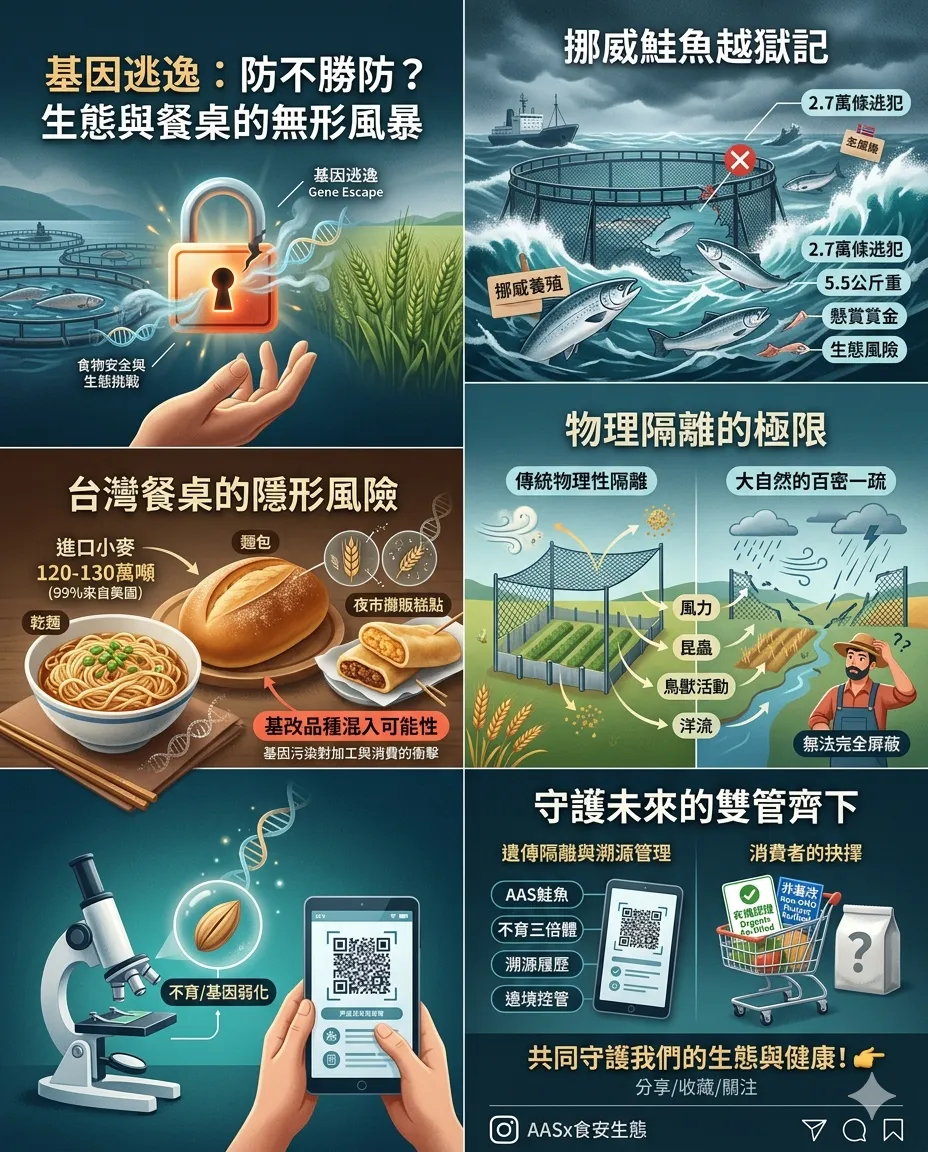
  7. Can Gene Escape Be Stopped? From Norway's Salmon Breakout to GM Wheat Contamination, How Do We Protect Food Safety and Ecosystems?

    In February 2025, a storm in Norway damaged the net pens of an offshore salmon farm. Salmon averaging 5.5 kg poured out through the gap, forcing the Norwegian authorities to offer a bounty of NOK 500 (about NT$1,000) per fish for 27,000 fugitives to avert an ecological disaster.

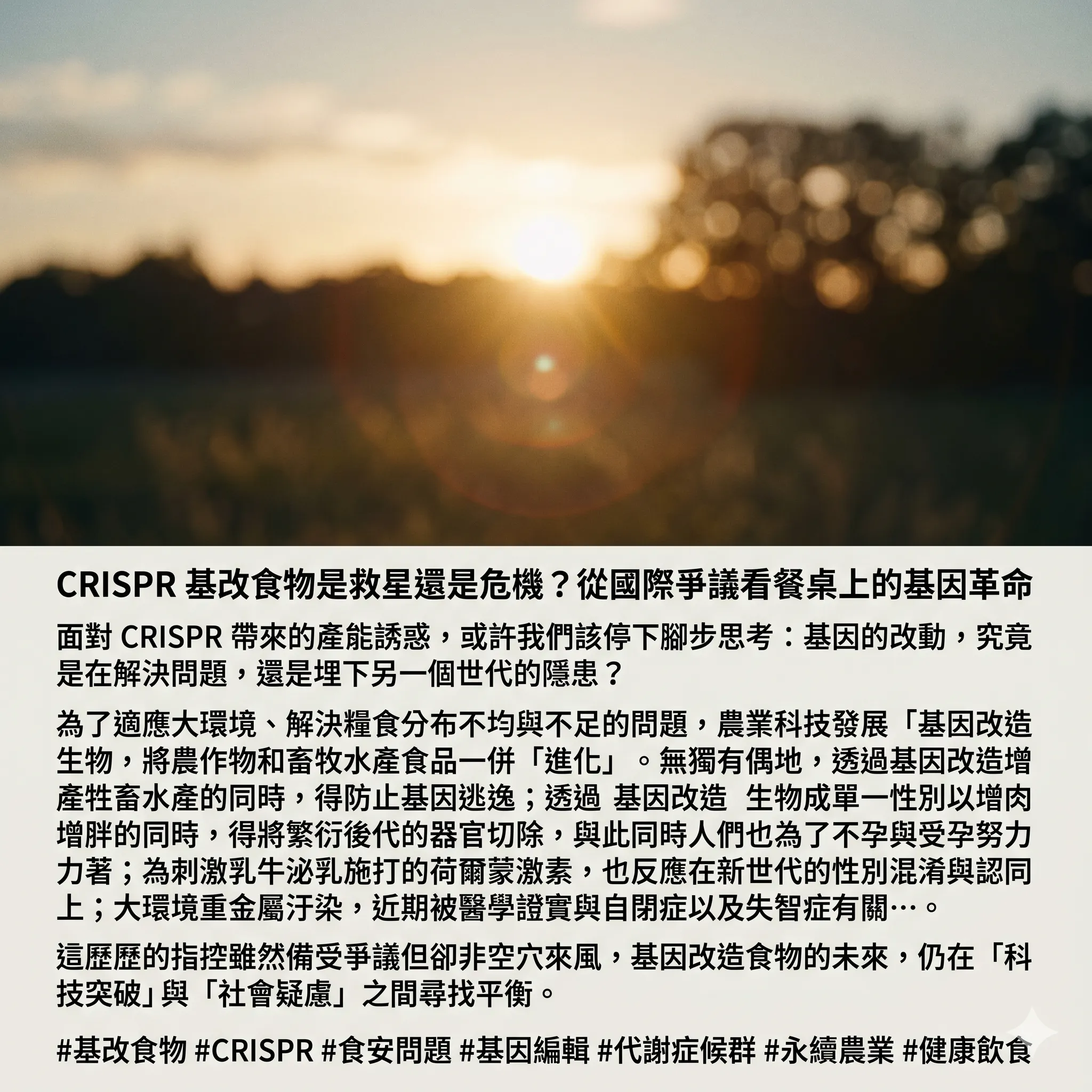
  8. Is CRISPR GM Food a Saviour or a Threat? The Genetic Revolution on Our Plates, Seen Through Global Controversies

    Whether GM food is developed or imported, CRISPR gene-editing technology is used to modify it. Compared with traditional cross-breeding, it greatly shortens the time needed to find the desired genes and is widely used in agriculture, biology and medicine, yet the promotion of GM food has run into obstacles.

  9. A Cure for Food Crises or a Health Hazard? GMOs, the 2025 Imported Potato Row and Taiwan's Gene-Editing March

    There was a time when the words “genetic modification” struck fear into consumers. What does eating GM food do to our health? A “genetically modified organism” (GMO) is made by transferring genetic material into living cells, forcibly changing their genetic traits.