議題

Food Labelling & Consumer Choice

What labels, traceability codes and certification marks can and cannot tell you, and how to choose. 10 articles.

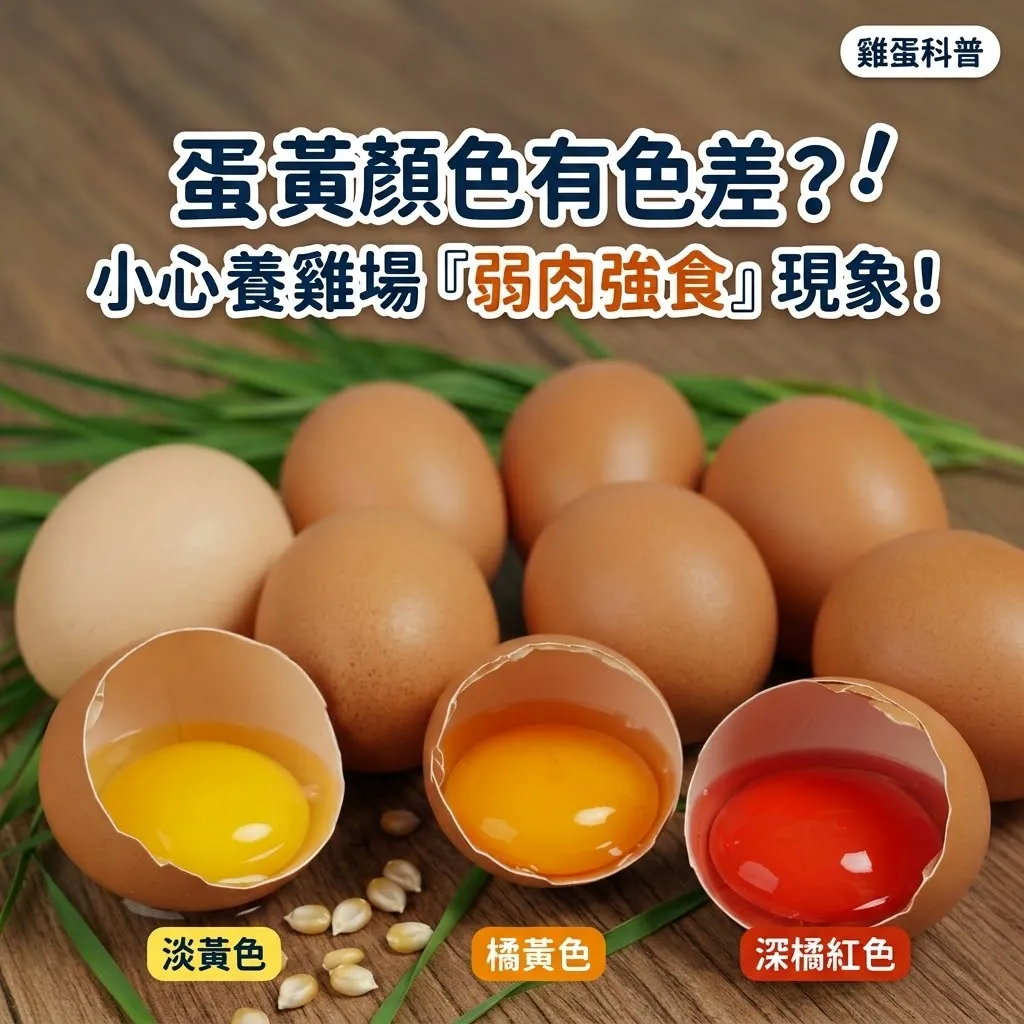
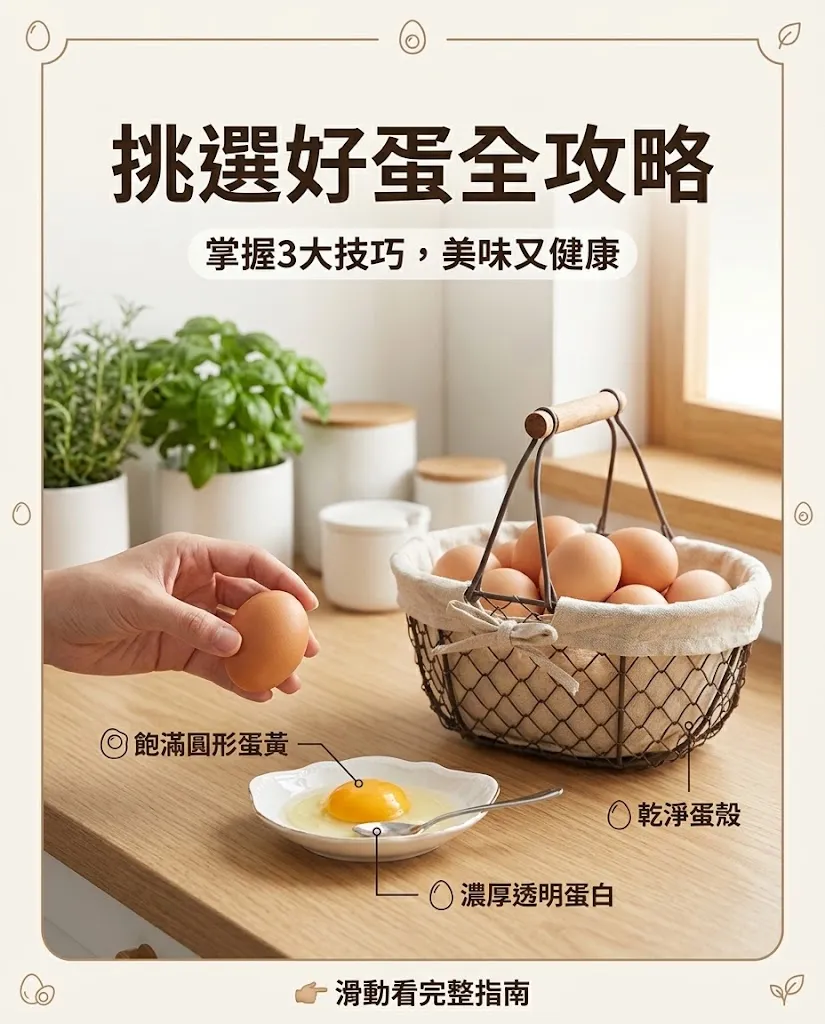
  1. How to Choose Good Eggs: Haugh Units, Shell Colour, Functional Feed and the Nutrition of 5 Egg Types

    When shopping or eating out, what signs tell you about an egg's quality? Is an egg's nutrition linked to the colour of its shell or yolk, or to the breed of hen? Can egg nutrition and flavour now be made to order?

  2. Should You Wash Eggs When You Get Them Home? Cleaning, Storing and Eating Bulk and Washed Eggs Raw

    Whether it's “bulk eggs” or “washed eggs”, most consumers are torn over whether to wash them: they worry about washing off the egg's protective layer, but if they put eggs straight into the fridge unwashed, they worry about invisible dirt and germs (Salmonella, E. coli and avian flu virus) clinging to the shell.

  3. The Hidden Risks Behind Convenient Liquid Egg, and How to Choose and Store Washed and Bulk Eggs

    Early every morning, delivery drivers weave through the streets, dropping off stacks and baskets of eggs (about 200 per large basket) at breakfast shops, eateries, bakeries, corporate caterers, traditional markets and grocery stores waiting to restock their egg supplies.

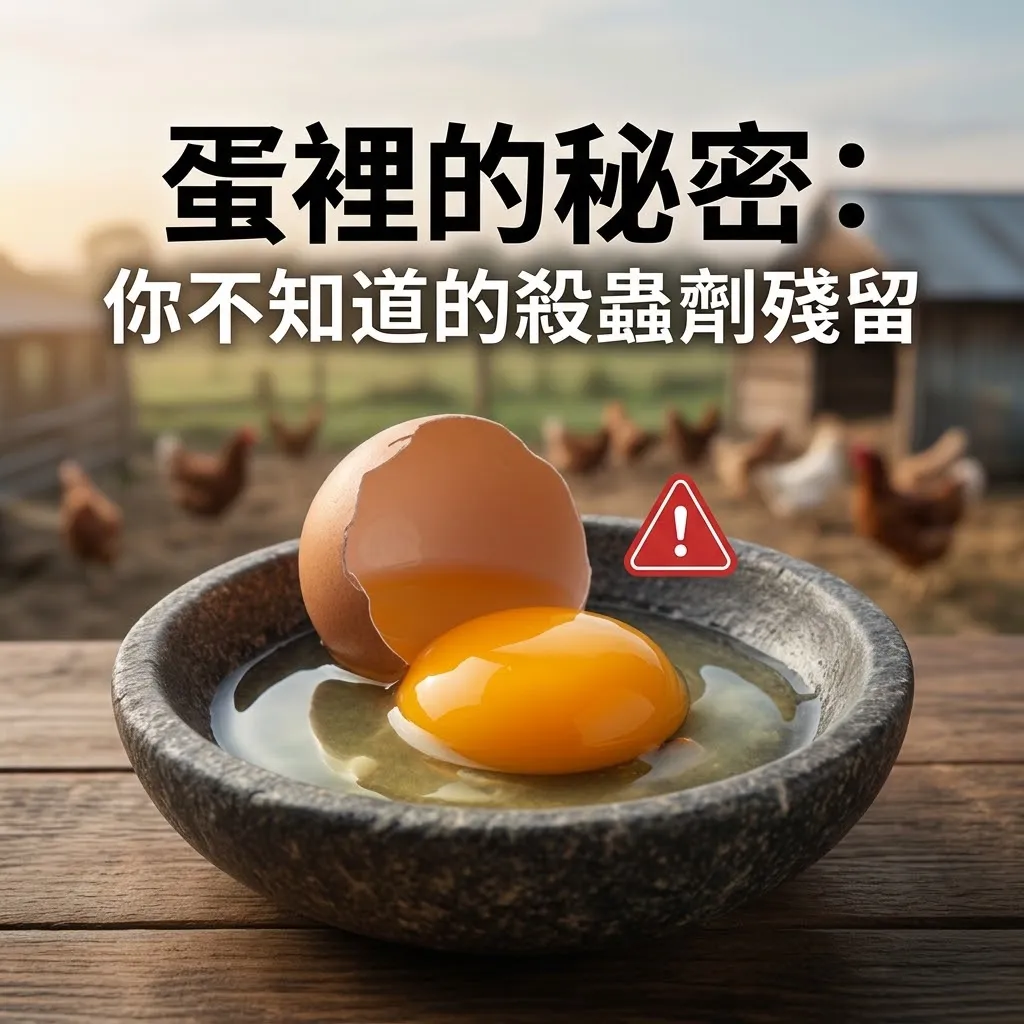
  4. Is the Fipronil Egg Scandal Back? Food-Safety Crises from 2017 to 2025, Pesticide Residues and Traceability

    Pesticide residues are not only a problem for fruit and vegetables. Besides concerns over residues of the herbicide glyphosate in the imported soybeans and corn fed to chickens, eggs are also at risk of contamination with the insecticide fipronil because of poor management of chemicals used around farms. Over the past 10 years, fipronil-tainted eggs have swept the globe and stirred up trouble in Taiwan too.

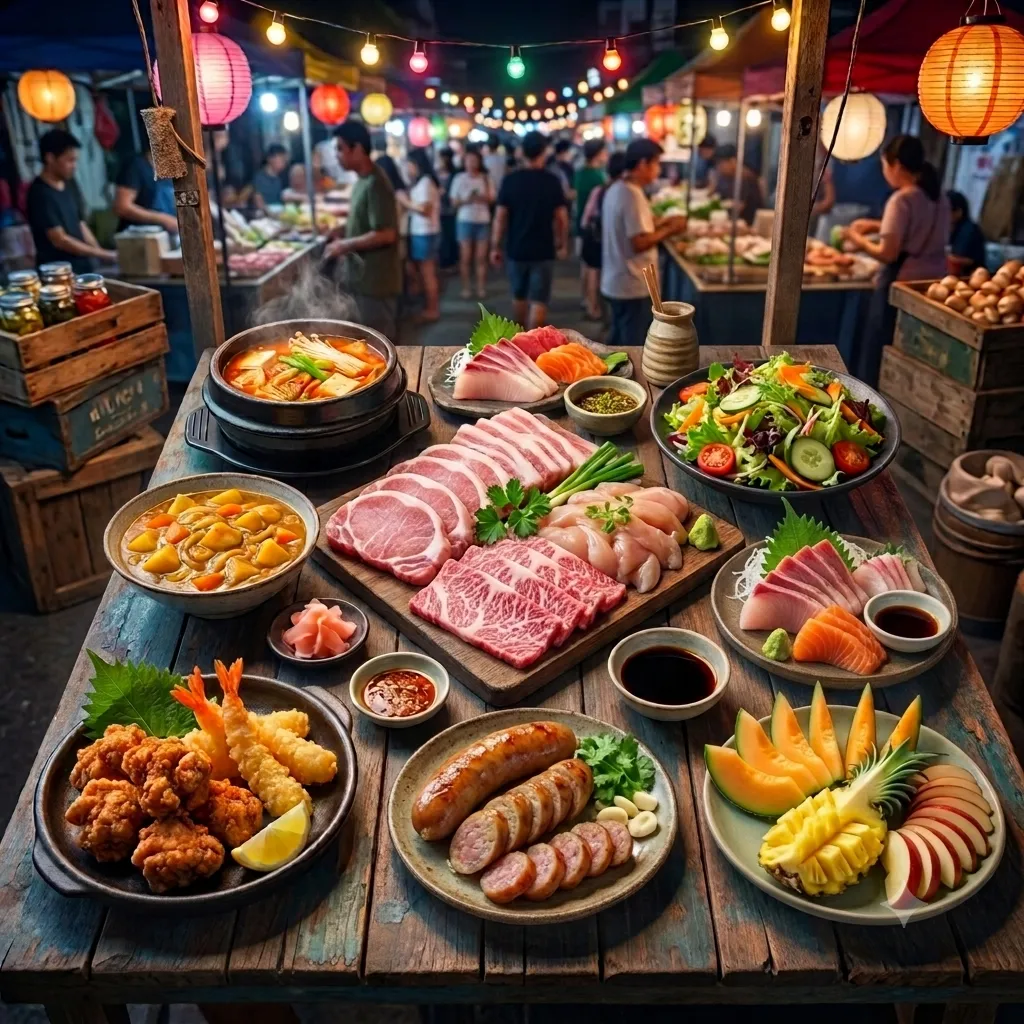
  5. Food Safety in the Age of Food Culture: How to Enjoy Street Food and Stay Healthy

    Hunting for the next great meal has become a national pastime. Food lovers' passion spreads by word of mouth and viral food blogs, and armed with online buzz and Google Maps, eager foodies plan their routes to conquer every hidden gem tucked away in winding alleys.

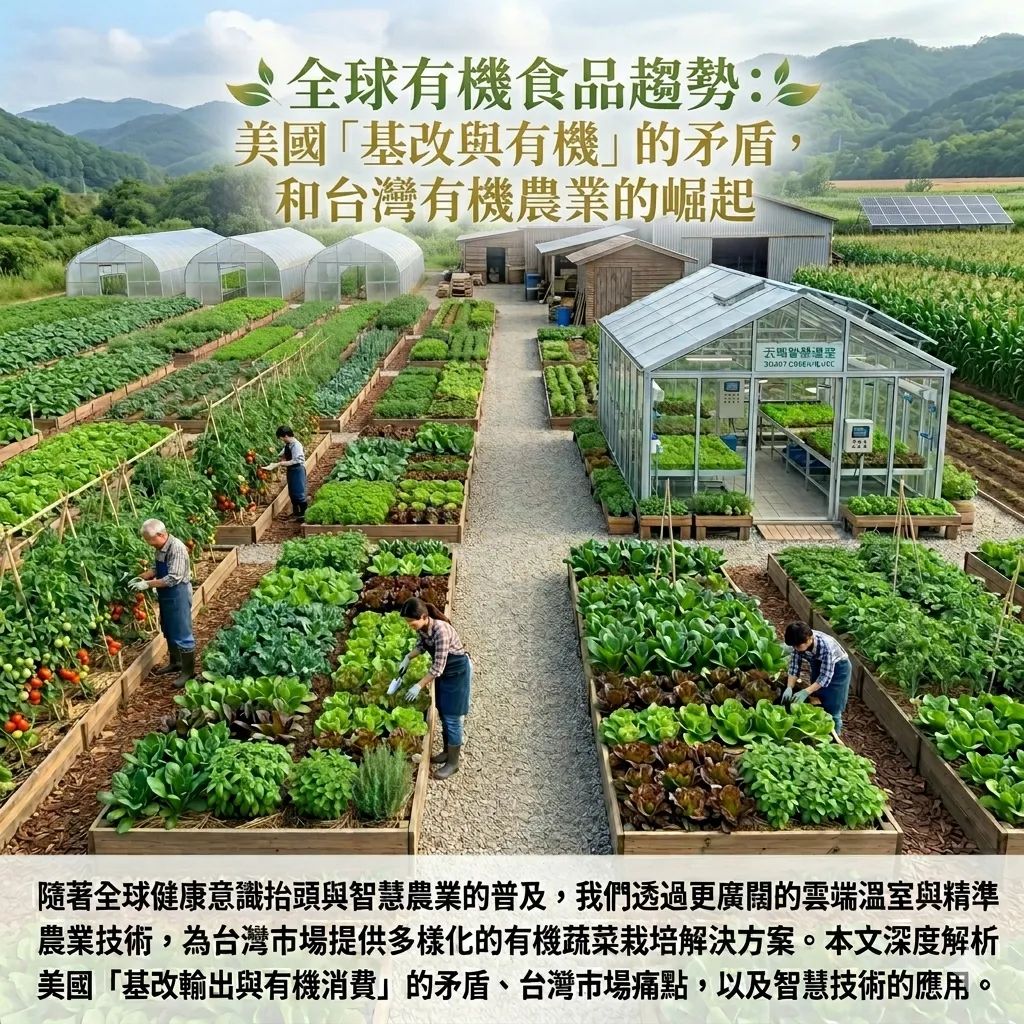
  6. Global Organic Food Trends: America's GM-and-Organic Paradox and the Rise of Organic Farming in Taiwan

    According to a 2022 report on organic agriculture, many countries have greatly expanded the area under organic crops. Australia, a nation built on farming and grazing, has the world's largest share of organic farmland, while India has the most organic producers.

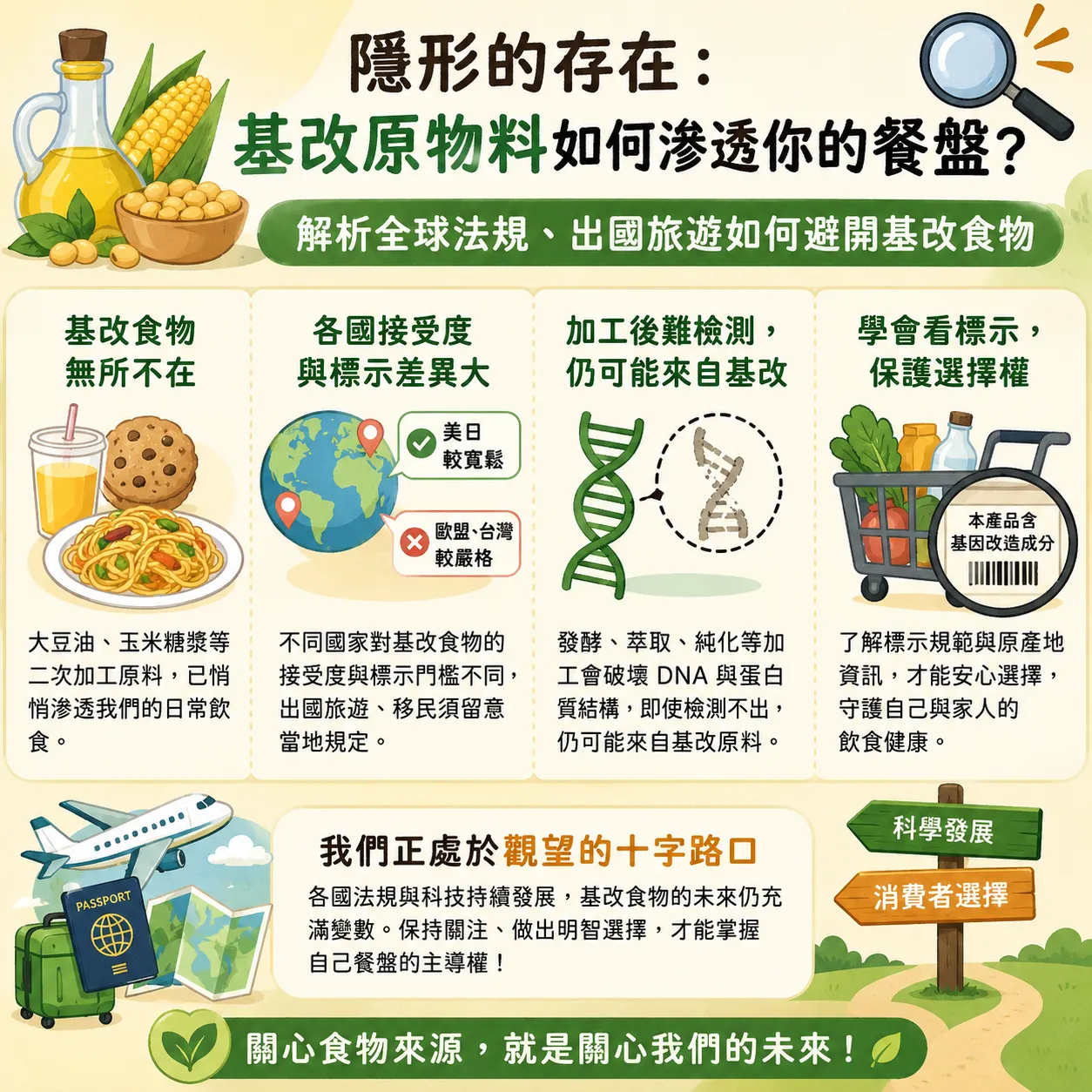
  7. Invisible Ingredients: How GM Raw Materials Reach Your Plate, Global Rules, and Avoiding GM Food Abroad

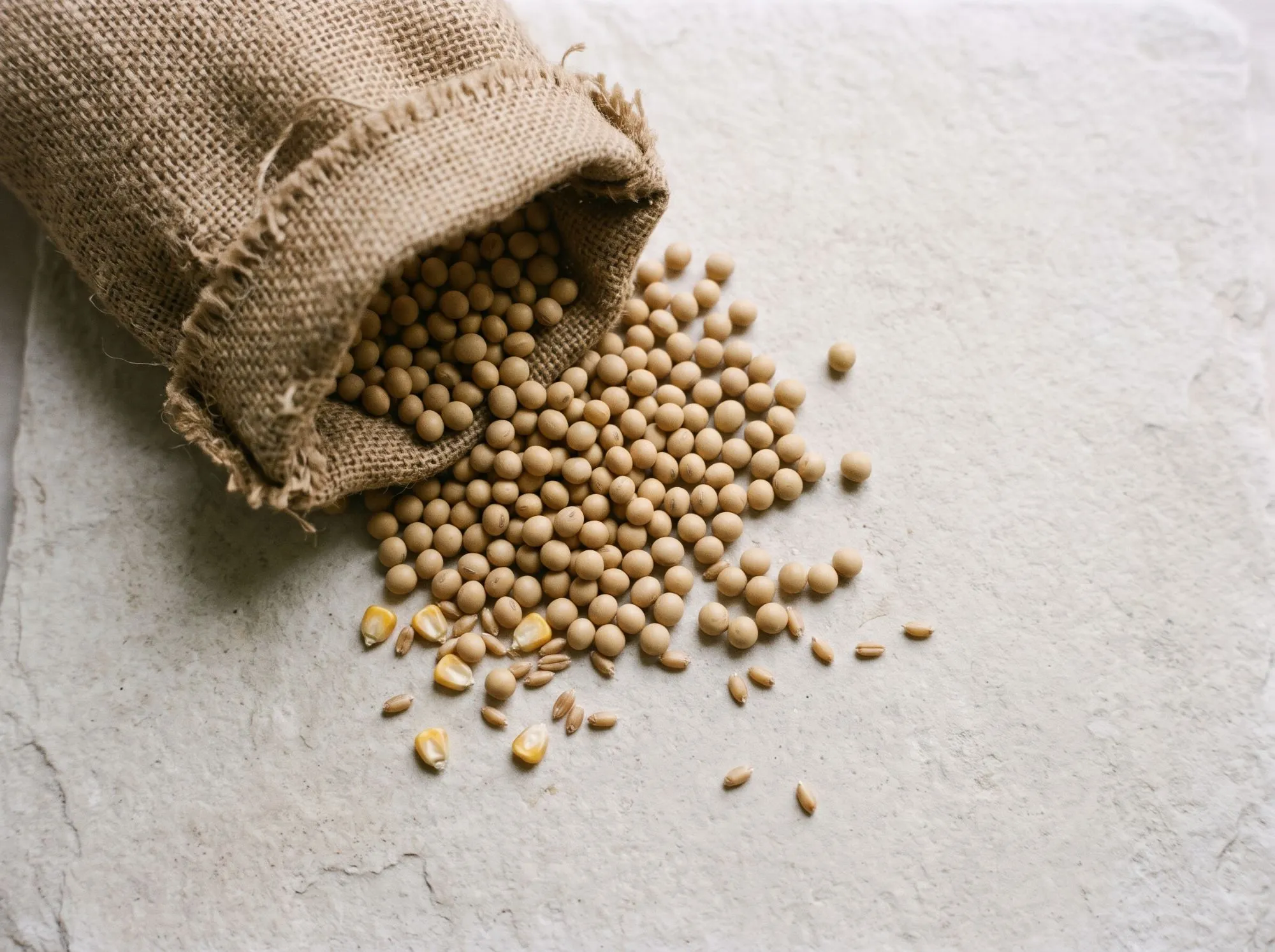
    According to statistics, about 75% of soybeans are processed into soybean oil, widely used by restaurants for stir-frying, while fructose syrup and cornflour made from corn are indispensable to many drink and pastry shops. Through “secondary processing”, genetically modified foods take on all kinds of forms and find their way into our diet.

  8. A Cure for Food Crises or a Health Hazard? GMOs, the 2025 Imported Potato Row and Taiwan's Gene-Editing March

    There was a time when the words “genetic modification” struck fear into consumers. What does eating GM food do to our health? A “genetically modified organism” (GMO) is made by transferring genetic material into living cells, forcibly changing their genetic traits.

  9. Which GM Foods Are You Eating? Taiwan's Soybean, Corn and Wheat Imports, and a Buying Guide

    Taiwan is rich in produce, with its land yielding different fruit and vegetables through the seasons, but it cannot be self-sufficient in all of its food. As climate change brings poor harvests and degraded farmland, genetic modification (GM) has rescued many countries from food crises.