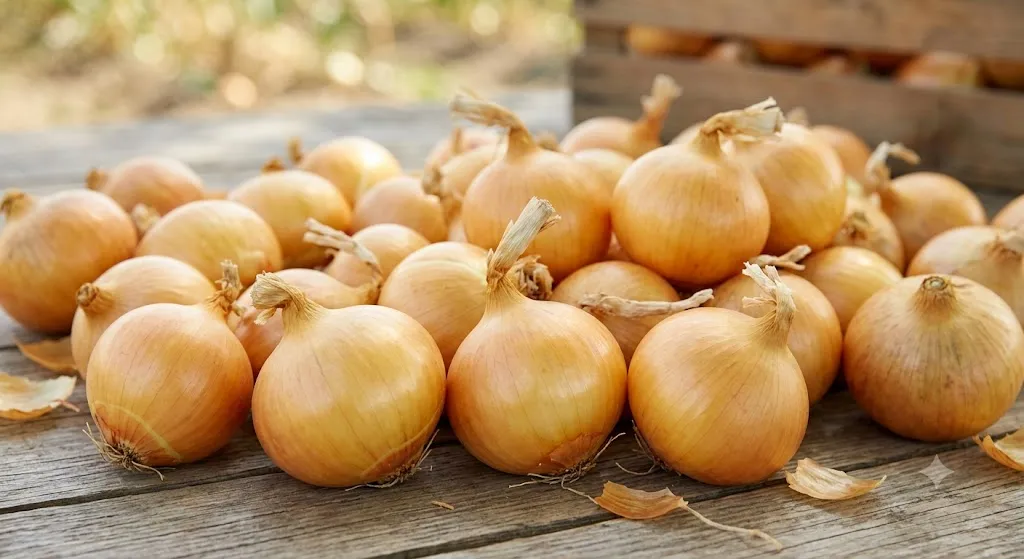
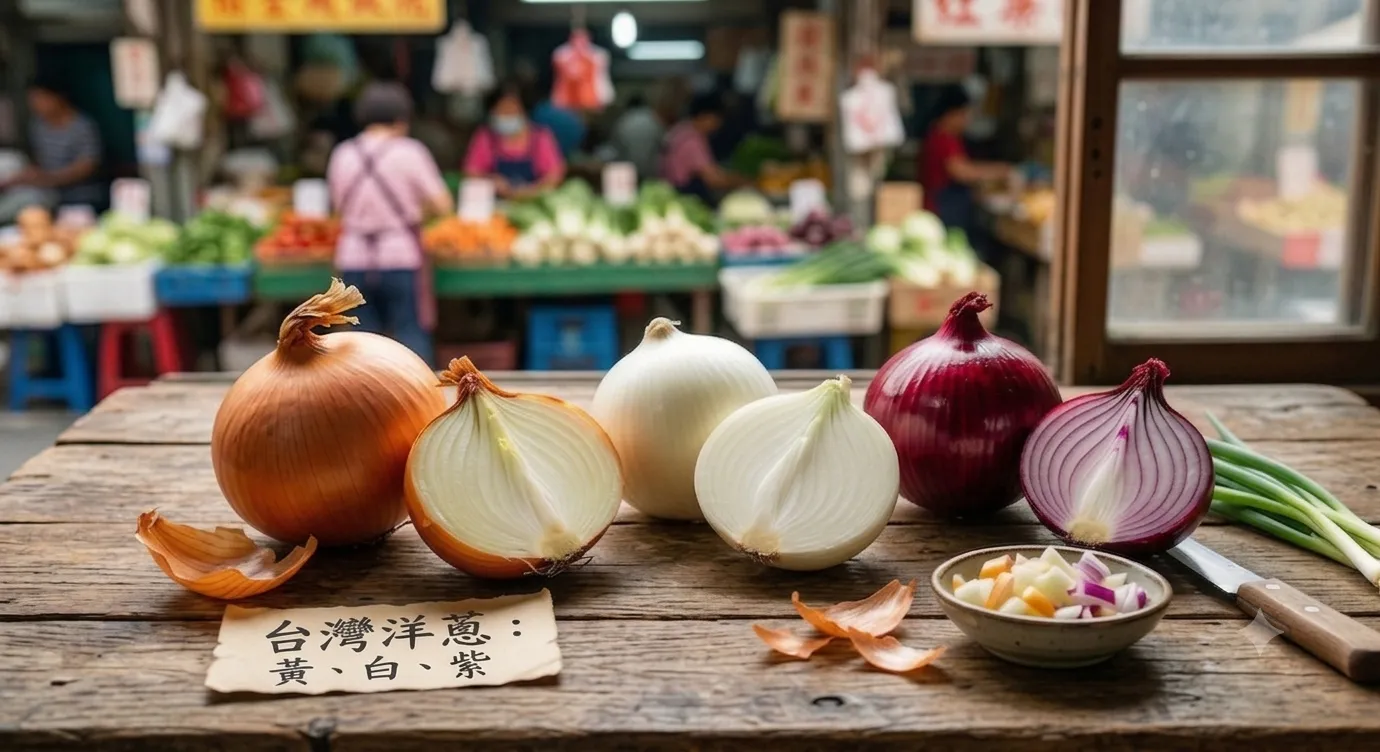
Almost everyone in Taiwan has eaten both local and imported onions. Total annual demand is about 130,000 tonnes, while local onion production is about 60,000 tonnes (a self-sufficiency rate of only about 47%). The off-season gap from August to December is filled with onions imported from New Zealand, the United States, South Korea, Japan and other countries, about 64,000 tonnes a year.
Looking back at the “pungent” news about onions in recent years, there has been a string of trials: the chaos when the pandemic broke transport links, the battle between domestic and imported onions for sales channels, and emergency measures such as charity purchase drives and contract farming for export.
And it all began with the outbreak of Covid-19…
2020: Covid-19 Breaks Out, and Local Onions Benefit from Misfortune
As panic over Covid-19 spread across Taiwan, the government urgently announced nationwide disease-prevention and quarantine measures. Every industry was caught off guard, and the restaurant and catering markets were hit hard, shrinking or even closing. Under strict customs quarantine, imported onions piled up at the ports, and onions already imported began to build up in stock or were even sold at a discount. Demand for local onions soared overnight; local onions benefited from the misfortune and enjoyed the price gap. But the good times did not last, and things took a sharp turn for the worse in 2021.
2021–2022: Onions Beset by Troubles at Home and Abroad:
- Anthracnose devastates the harvest: under the influence of regional extreme weather, onions in Pingtung were infected with anthracnose, which made the plants wither and the bulbs rot, cutting yields by at least 30%.
The shortage pushed the wholesale price of onions to a record high of NT$30 per jin (斤, 600 g). To meet domestic demand and stabilise onion prices, the Agriculture and Food Agency (農糧署) mobilised urgently and imported onions from several countries. Onion farmers rushed to replant, only to face price-cutting competition and a fight for convenience-store sales channels once their onions came to market.
- The suspected “origin laundering” of Vietnamese onions: as competition for sales channels heated up, imports of Vietnamese onions suddenly surged to 8,400 tonnes in 2021 (about 12% of all imported onions), and reached as much as 2,116 tonnes in January–February 2022 (about 52% of total imports). A preliminary investigation suspected that some people were “laundering the origin” of Chinese onions by re-exporting them through Vietnam to Taiwan.
Although onions are not protected by tariffs, they are on Taiwan’s list of “840 Chinese agricultural products subject to import controls” (「管制進口之840項中國農產品」), which is meant to protect local farm produce from the impact of import dumping.
The Vietnamese onions that slipped in amid the chaos were a real test of the crisis management of the authorities and the farmers’ associations.
Even though the turmoil in the onion fields turned everything upside down, onion farmers still had good news… - Pingtung onions exported to Japan: despite the turmoil, Pingtung, with its uniquely favourable geography, grows high-quality late onions. These caught the eye of the Japanese company Daiwa (大和), which signed contracts for more than 40 hectares of contract farming, and onions are now exported steadily to Japan every year: a success born of adversity.
Over these two years, onion farmers went through a series of storms: bad weather that killed onions before their time, a life-or-death fight for sales channels, and the laundering of Vietnamese onions’ origin. The period has been called the “dark age” of onion history.
2023–2025: Yields Recover, but Harvests Clash
In the years after the pandemic, climate change often made the onion harvests in Hengchun, Yunlin and Changhua peak at the same time, upsetting the balance between supply and demand. The wholesale price of onions once fell to a record low of NT$7–8 per jin, and at other times rose to a new high of NT$25–30 per jin, and stock had to be cleared in a short time.
Besides launching “corporate charity purchase drives” to find an outlet for the walls of onions piled up in warehouses, the Pingtung County Government and the local farmers’ associations also worked through the Department of International Affairs (國際司) to help export onions to Japan, South Korea, Malaysia and other countries.
The Past 5 Years: Shifting Growing Areas, and Private Companies Tackling Supply Imbalances
Onion fields have been through a lot in recent years, including the ordeal of the pandemic, climate change, an ageing rural population and shifting growing areas.
Contract farming with Japanese companies: changes in the wider environment have taught onion farmers to adapt. Pingtung onion farmers signed contracts with the Dahe Cooperative (大禾合作社) to supply Japan steadily, and also worked with the Agriculture and Food Agency to open new sales channels, exporting onions to Japan, South Korea, Malaysia and other countries.
Farmers’ associations buy cold-chain equipment: to store properly the walls of onions that pile up in a short time, farmers’ associations bought cold-chain equipment to store onions and extend their shelf life.
Forming a company to tackle supply imbalances: onion farmers and the farmers’ association also formed the “Nonghe Agricultural Products Company” (「農禾農產公司」) to tackle imbalances between supply and demand, avoid exploitation by wholesalers, stabilise market prices, clear stock (for example by selling frozen diced onions) and secure income, giving onion farmers solid support.
Headwinds refine the sweetness of onions, and the pandemic has made onion farmers ever more resilient.
Onion Sales Channels: Doing the Sums from Field to Table
Wholesale Buyers and Auction Markets
In the past, onion farmers handed their harvest to regular wholesale buyers, who controlled the purchase price, and farmers meekly dared not object. Most local onions in season are sent to the Taipei Agricultural Products Marketing Corporation (北農) and wholesale markets around Taiwan for auction, where restaurants and food stalls are the biggest buyers. Onions are priced by size; onions outside the standard grades go to cutting plants to be diced, or to food-processing factories to be made into processed products.
In recent years, however, this has changed somewhat. The turning point came when the market had a glut of onions: the government stepped in to support prices by buying onions from farmers. Farmers got relief, but might then be blacklisted by wholesale buyers, who refused to buy their onions. Faced with onions that would not keep much longer, farmers were desperate, and necessity became the mother of invention.
In recent years, some onion farmers have begun sorting and grading their own onions, and even breeding their own varieties, selling their produce through online platforms, fan pages and short videos, and earning more than wholesale buyers would pay. As word spread, more farmers were motivated to grow better-quality crops.
With these changes in production and sales, how have consumers’ buying habits changed?
Consumers’ Many Ways to Buy
Traditional markets and hypermarkets: most consumers buy their ingredients at traditional markets and hypermarkets, because buying small amounts is enough for their cooking.
Farmers’ associations and online platforms: because refrigerated transport and freight charged by weight cost extra, these suit group buying, or shoppers who want to try premium farm produce or imported goods.
Onions Turn the Tide
In recent years, climate and the pandemic have changed some things in the onion fields: the centre of production has shifted; farmers’ associations have built cold-chain facilities and farmers have formed their own companies to deal with oversupply; low purchase prices have pushed small farmers to build their own brands and sell directly; and consumers have developed more varied choices and shopping habits. These changes let us see how the agricultural authorities and the people have stood on their own feet and turned crisis into opportunity.
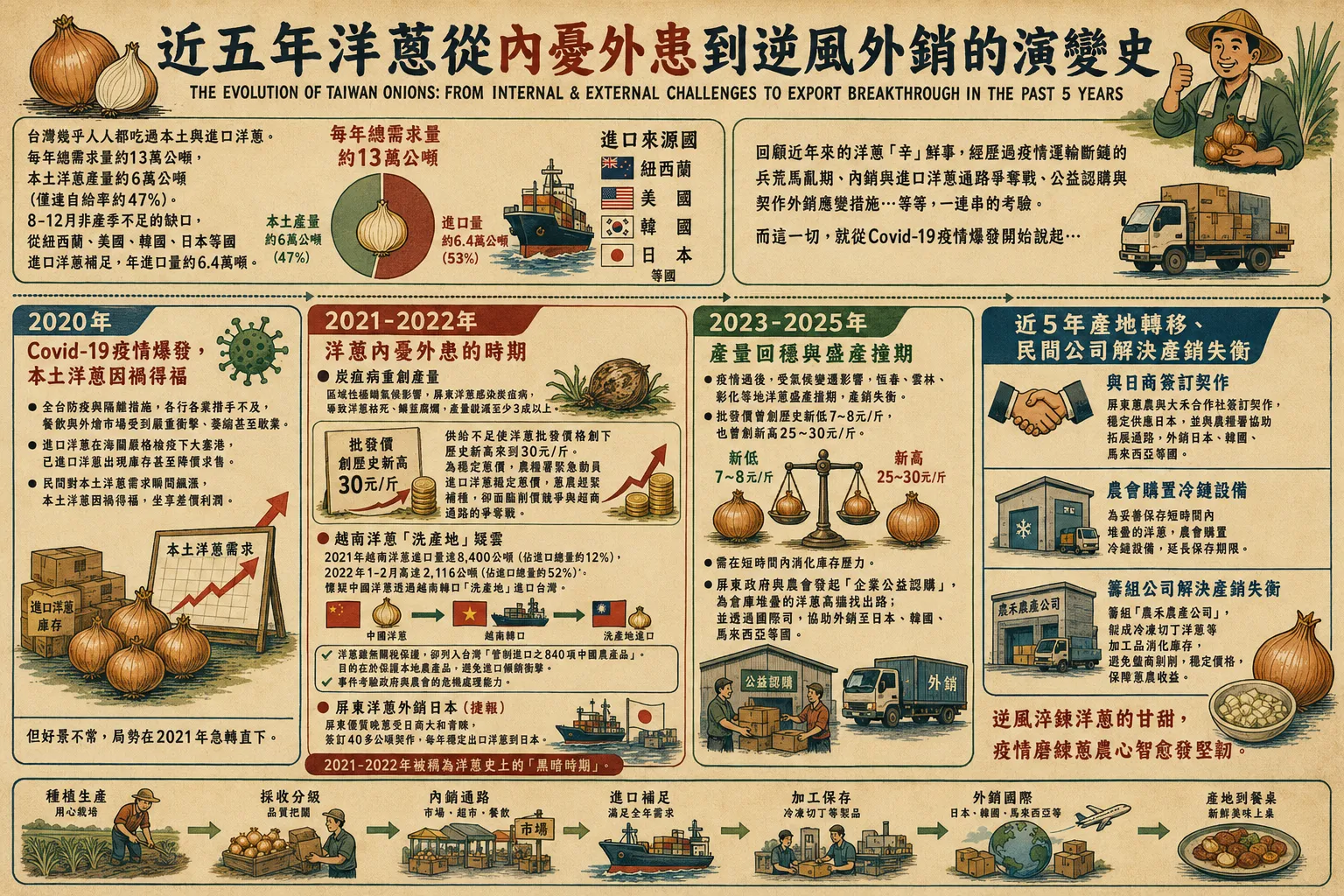
English text of this image
Onions over the past five years: from troubles at home and abroad to exporting against the wind
Almost everyone in Taiwan has eaten both local and imported onions. Total demand is about 130,000 tonnes a year; local production is about 60,000 tonnes (only about 47% self-sufficiency). The off-season gap from August to December is filled with onions from New Zealand, the US, South Korea, Japan and elsewhere, about 64,000 tonnes a year (53%). The “spicy” onion news of recent years has included supply chaos when the pandemic cut transport, a fight between local and imported onions for sales channels, and charity buying and contract exports. It all began with the outbreak of Covid-19.
- 2020, Covid-19: local onions gain from misfortune. Pandemic controls caught every trade off guard, and restaurants and caterers shrank or closed. Strict quarantine left imported onions stuck in port, and stock already imported was sold at a discount. Demand for local onions soared, and growers enjoyed the price gap. But the good times did not last: things turned sharply in 2021.
- 2021–2022, troubles at home and abroad. Anthracnose: local extreme weather spread anthracnose in Pingtung onions, killing plants and rotting bulbs, and cut yields by at least 30%. Short supply drove wholesale prices to a record NT$30 per catty. To steady prices the Agriculture and Food Agency brought in imported onions, while growers who rushed to replant faced price-cutting and a fight for supermarket and convenience-store shelves.
- The Vietnamese onion “origin laundering” affair: imports from Vietnam reached 8,400 tonnes in 2021 (12% of imports) and 2,116 tonnes in January–February 2022 (52%), raising suspicion that Chinese onions were being re-exported through Vietnam to hide their origin. Onions have no tariff protection, but they are on Taiwan’s list of 840 restricted Chinese farm products, to protect local produce from dumping. The affair tested how the government and farmers’ associations handle a crisis.
- Good news: Pingtung onions exported to Japan. High-quality late Pingtung onions caught the eye of the Japanese company Daiwa, which signed contracts for more than 40 hectares, giving steady exports to Japan every year. 2021–2022 is called the “dark period” in the history of onions.
- 2023–2025, recovery and gluts. After the pandemic, climate change made the harvests in Hengchun, Yunlin and Changhua overlap, throwing supply and demand out of balance. Wholesale prices have hit a record low of NT$7–8 per catty and a high of NT$25–30, and stocks had to be cleared quickly. Pingtung County and the farmers’ association launched corporate charity buying to find good prices for onions piling up in warehouses, and helped exports to Japan, South Korea and Malaysia.
- The last five years: shifting growing areas, and companies tackling the imbalance. Contract farming with Japan: Pingtung growers signed with the Dahe Cooperative to supply Japan steadily, while the Agriculture and Food Agency helped open channels to Japan, South Korea and Malaysia. Cold-chain equipment: farmers’ associations bought cold storage to keep onions that pile up in a short time. A company to fix the imbalance: growers formed Nonghe Agricultural Products Company to turn surplus into frozen diced onions and other products, avoid exploitation by middlemen, steady prices and protect growers’ income.
“Headwinds bring out the sweetness of onions; the pandemic has made growers ever tougher.” Bottom row: growing (careful cultivation) → harvesting and grading (quality control) → domestic sales (markets, supermarkets, restaurants) → imports to fill the gap (year-round supply) → processing and storage (frozen diced onions and more) → exports (Japan, South Korea, Malaysia and more) → from farm to table.
Enjoyed this article? Get the newsletter
Our newsletter is written in Chinese for now: new articles and series, with an editor’s note. No spam, and you can unsubscribe at any time.