食材分類

Eggs & Poultry

From how laying hens are kept, egg shortages and food-safety scares to chicken breeds, drug use and how to choose: the most common animal protein on the table. 13 articles.

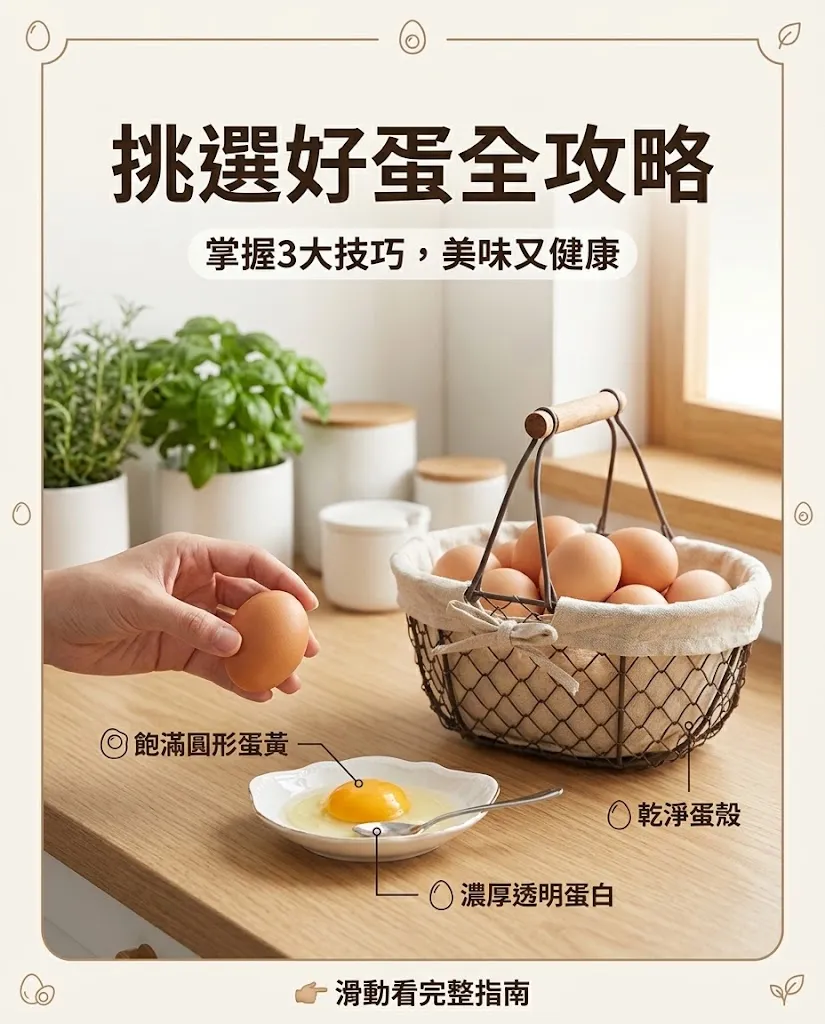
  1. How to Choose Good Eggs: Haugh Units, Shell Colour, Functional Feed and the Nutrition of 5 Egg Types

    When shopping or eating out, what signs tell you about an egg's quality? Is an egg's nutrition linked to the colour of its shell or yolk, or to the breed of hen? Can egg nutrition and flavour now be made to order?

  2. Should You Wash Eggs When You Get Them Home? Cleaning, Storing and Eating Bulk and Washed Eggs Raw

    Whether it's “bulk eggs” or “washed eggs”, most consumers are torn over whether to wash them: they worry about washing off the egg's protective layer, but if they put eggs straight into the fridge unwashed, they worry about invisible dirt and germs (Salmonella, E. coli and avian flu virus) clinging to the shell.

  3. The Hidden Risks Behind Convenient Liquid Egg, and How to Choose and Store Washed and Bulk Eggs

    Early every morning, delivery drivers weave through the streets, dropping off stacks and baskets of eggs (about 200 per large basket) at breakfast shops, eateries, bakeries, corporate caterers, traditional markets and grocery stores waiting to restock their egg supplies.

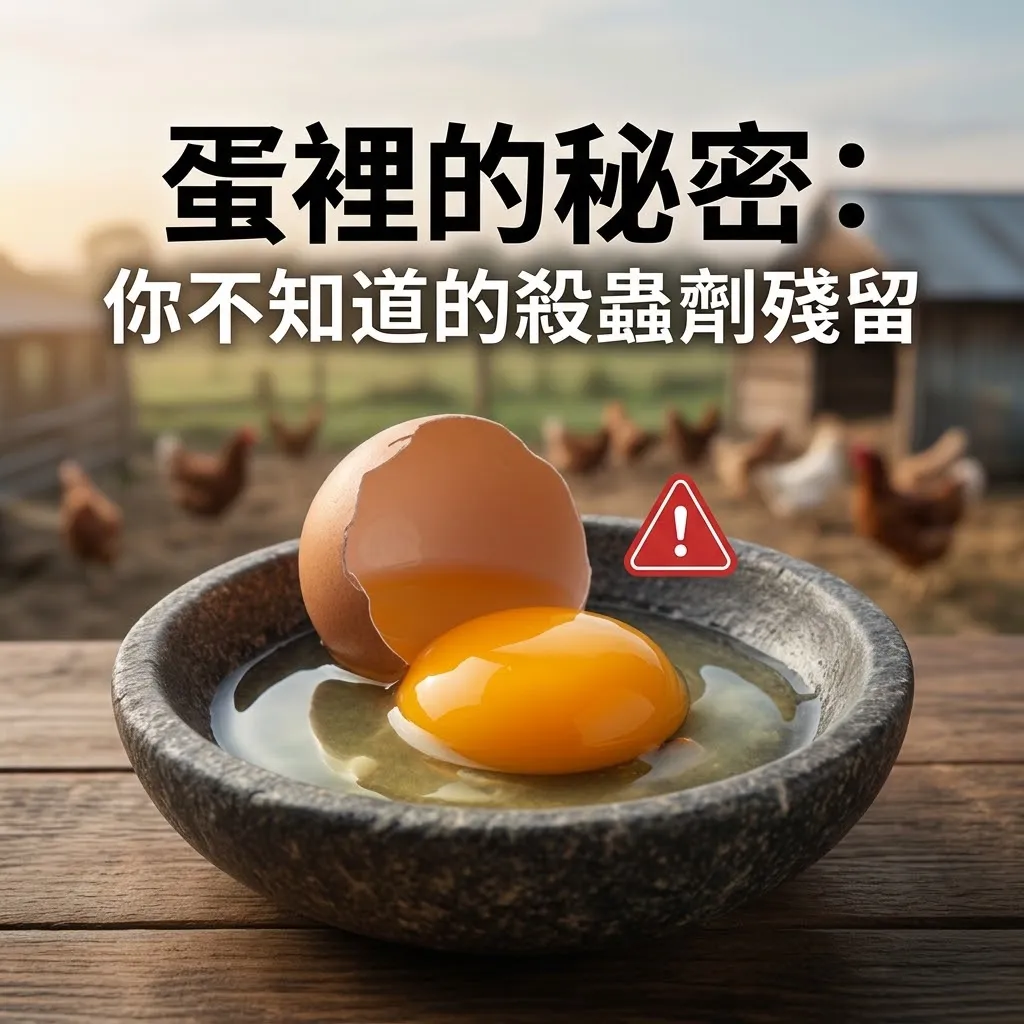
  4. Is the Fipronil Egg Scandal Back? Food-Safety Crises from 2017 to 2025, Pesticide Residues and Traceability

    Pesticide residues are not only a problem for fruit and vegetables. Besides concerns over residues of the herbicide glyphosate in the imported soybeans and corn fed to chickens, eggs are also at risk of contamination with the insecticide fipronil because of poor management of chemicals used around farms. Over the past 10 years, fipronil-tainted eggs have swept the globe and stirred up trouble in Taiwan too.

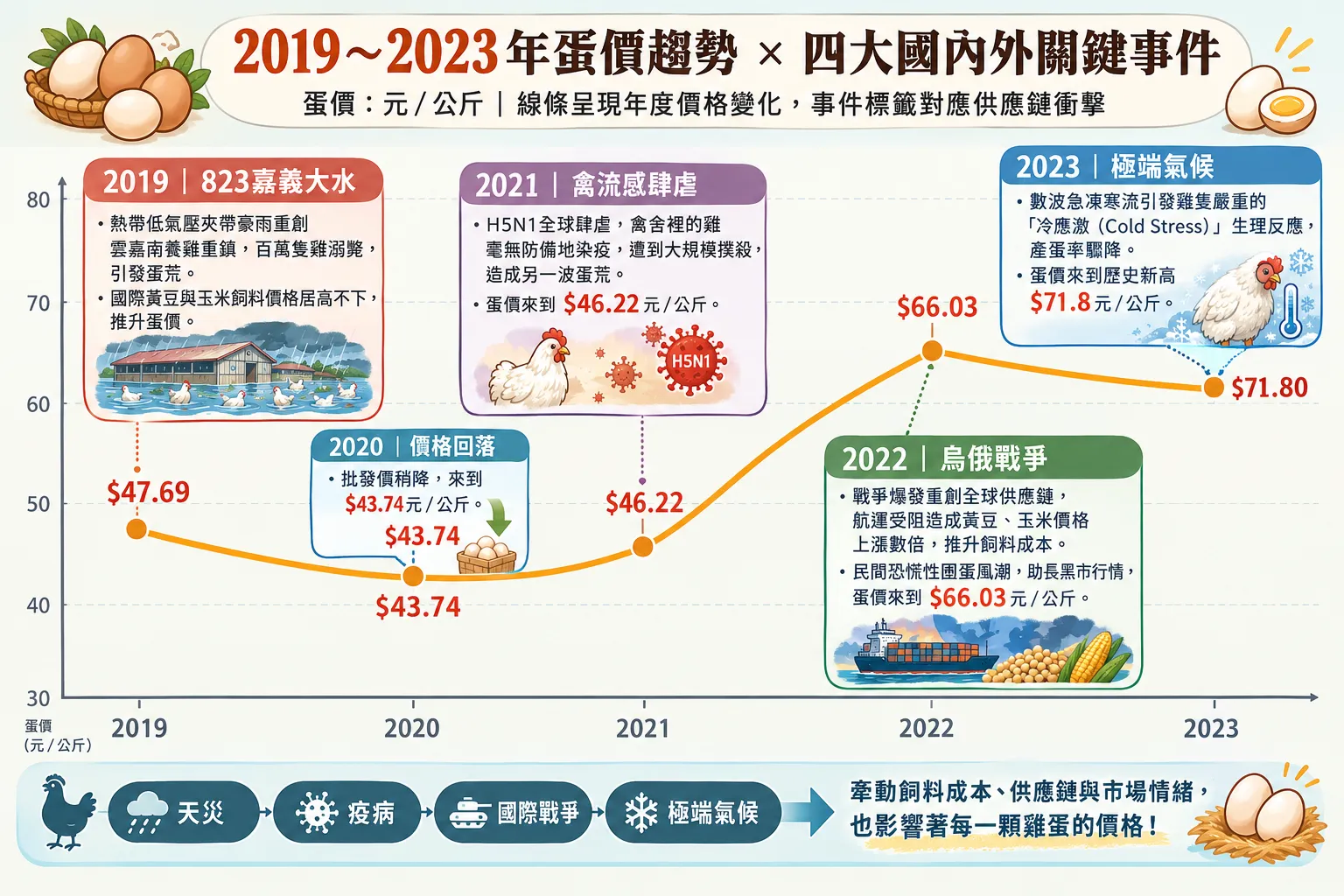
  5. A 52% Laying Rate? The Truth Behind Taiwan's Egg Shortages: Disasters, Black Markets and Imported Eggs

    From the first hot egg crepe of the morning to lunch and dinner boxes and afternoon desserts and drinks, eggs are everywhere in Taiwanese food. According to Legislative Yuan data, Taiwan has about 43 million laying hens producing around 22.3 million eggs a day, just enough to meet domestic demand.

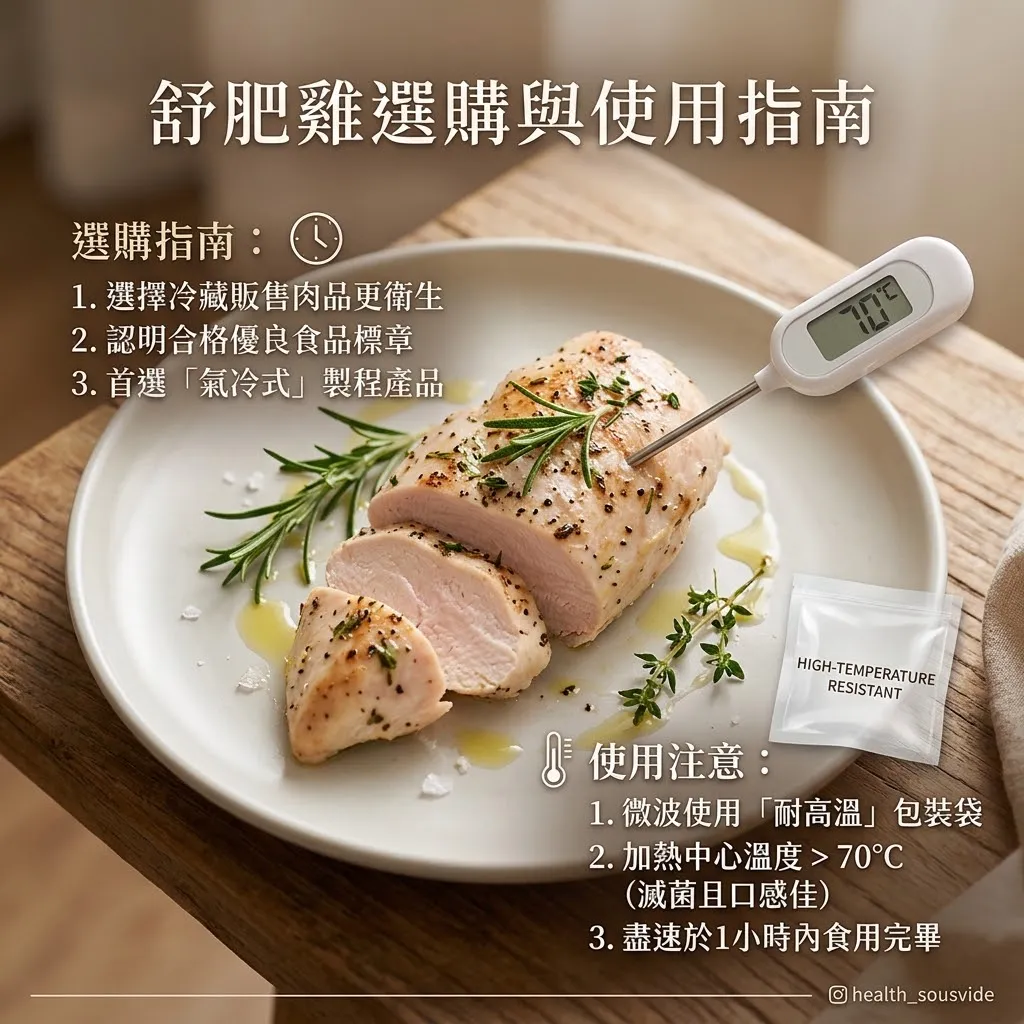
  6. Is Sous Vide Chicken Really Healthy for Weight Loss? Low-Temperature Risks, Additives and Choosing Air-Chilled Chicken

    With the rise of fitness, weight loss and health awareness, “sous vide chicken” has become a smart way to get protein without extra fat and calories. A single 100 g pack meets the basic protein needs of one meal, 22–24 g, making it a good nutritional companion for people trying to get fit, lose weight or just short of time.

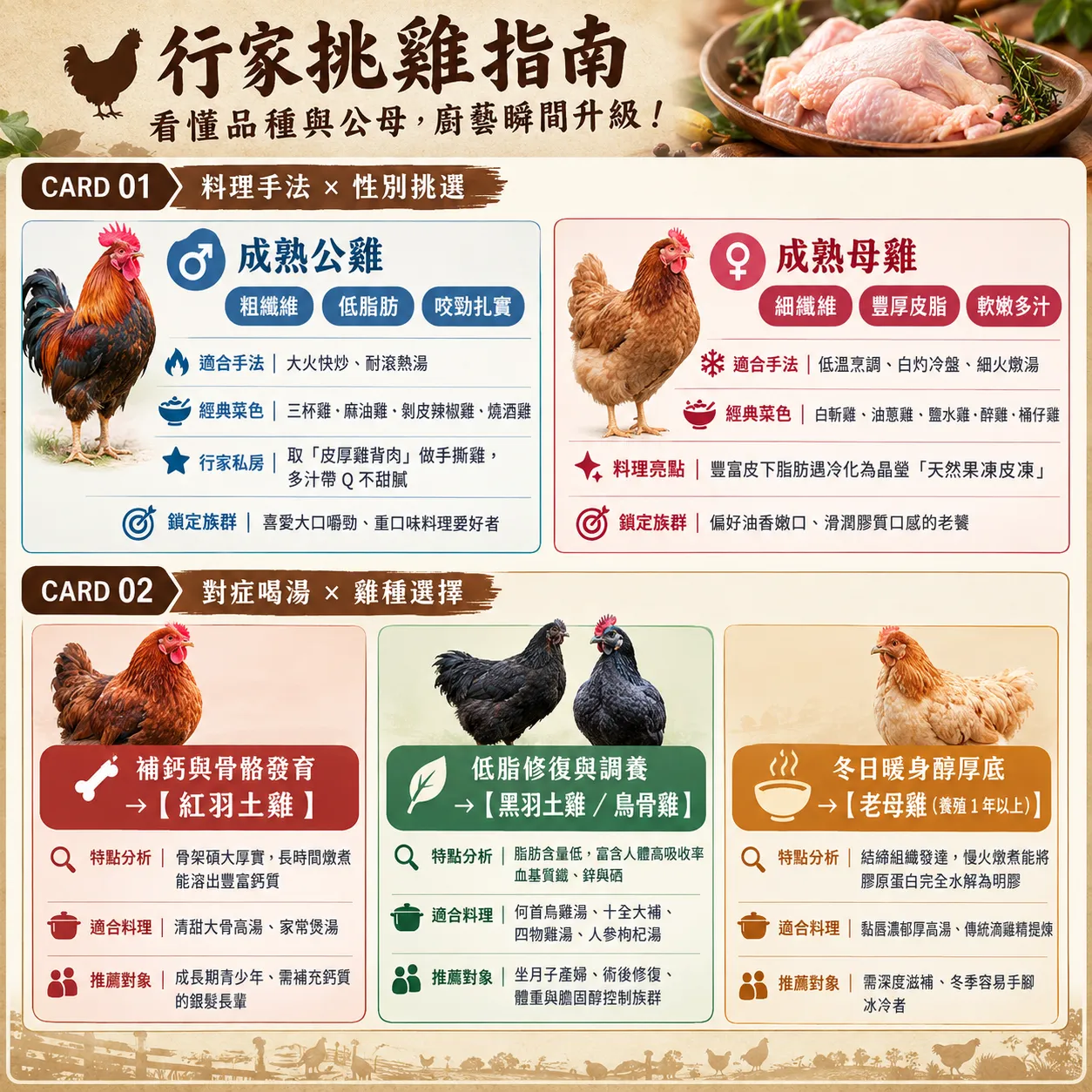
  7. A Complete Guide to Taiwanese Native Chicken: Red-Feathered, Black-Feathered, Silkie and Broiler Compared

    Heading up into the hills to eat native chicken is a traditional part of Taiwanese food life. On weekends and holidays, friends and family drive up together along winding mountain roads in search of mountain restaurants tucked away in hidden idylls, whether for a birthday banquet, a celebration, a simple get-together or a nourishing meal when the weather turns cool.

  8. Taiwan's Antibiotic-Free Farming Revolution: Farewell to Antibiotics, Hello to the Age of One Health

    Traditional open cage farming affects the surrounding environment: the clucking can disturb neighbours, visiting insects and birds are a nuisance, the smell spreads on the air, zoonotic diseases such as H5N1 avian flu can spread, and antibiotics used for prevention and treatment cause drug resistance and residues.

  9. A Hidden Food-Safety Threat: Glyphosate's Rise Against the Tide in Taiwan. Are Antibiotic-Free Chickens Really Safe?

    If chickens are advertised as “raised without antibiotics”, can consumers stop worrying? Unfortunately, not using antibiotics does not remove every food-safety risk: the feed chickens eat and the environment they grow up in can also expose them to risk factors, such as the insecticides and herbicides used against parasites and weeds.

  10. Are Taiwan's Chickens and Eggs Given Antibiotics? The History of Fast-Growing Broilers and the Truth About Resistance

    Modern farming can raise a 2.72 kg broiler in 35 days thanks to advances in breed selection and husbandry, cutting the rearing period from 112 days to nearly a third, on less feed, to produce fast-growing breeds about 2.5 times the weight of purebred chickens.

  11. Battery Cages or Barns? How Housing Affects Laying Rates, Egg Quality and Animal Welfare

    Taiwan keeps about 45 million laying hens. Chickens are broadly divided into broilers and layers: hens lay eggs and roosters are raised for meat. Broilers are slaughtered after a set time (about 35 days for white broilers), while laying hens are kept until about 18 months to 2 years old, when their laying rate falls.

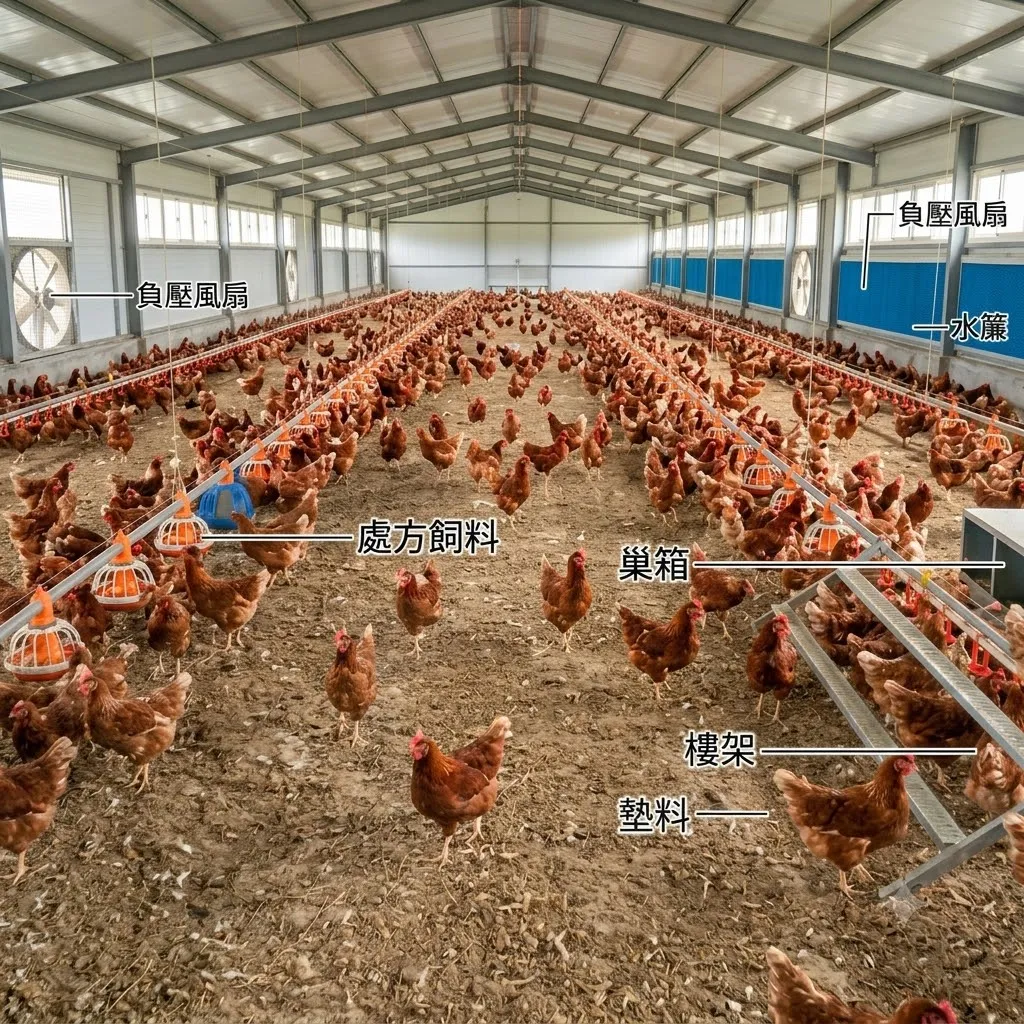
  12. Beyond Egg Shortages and Battery Cages: Evaporative-Cooling, Barn and Free-Range Farms Compared on Cost and Animal Welfare

    In December 2015, out of concern for animal welfare, the Council of Agriculture encouraged egg producers to produce eggs in welfare-friendly ways and drew up the “Definitions and Guidelines for Egg Friendly Production Systems”, which include a limit of no more than 6.25 laying hens per square metre, so that lower stocking densities raise stronger, healthier hens.

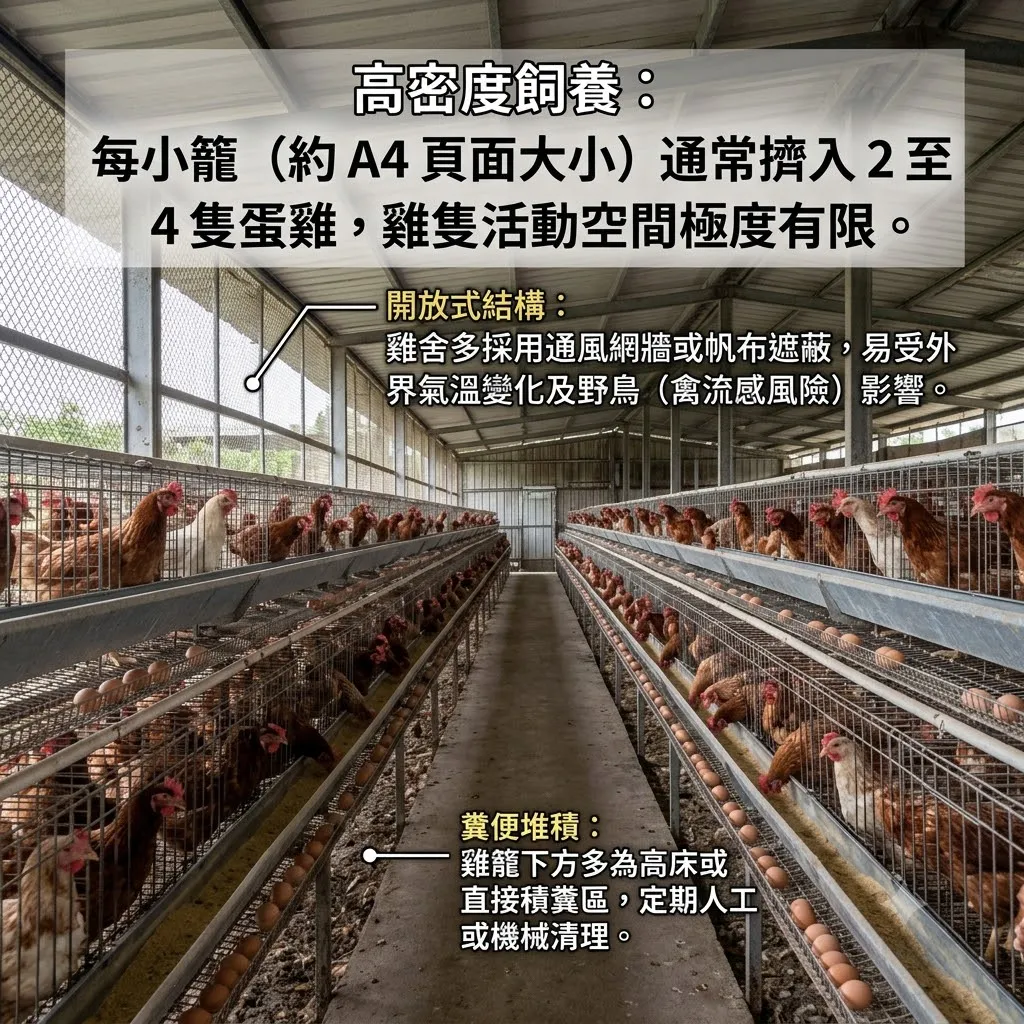
  13. H5N1 Crosses Species: Inside the “A4-Sized” Battery Cages on Taiwan's Chicken Farms, and Why Bird-Flu Culls Still Soar

    From January to May 2026, an H5N1 avian flu outbreak in Taiwan led to about 330,000 birds being culled on 14 farms in 6 counties and cities. In April, a chicken farmer in Fengyuan was fined NT$1.18 million for concealing the outbreak and allegedly selling eggs from infected flocks. The outbreak is in fact linked to bird-flu events around the world…