A Chemistry Lesson at the Dining Table: Know Where Your Food Comes From to Eat Truly Healthily
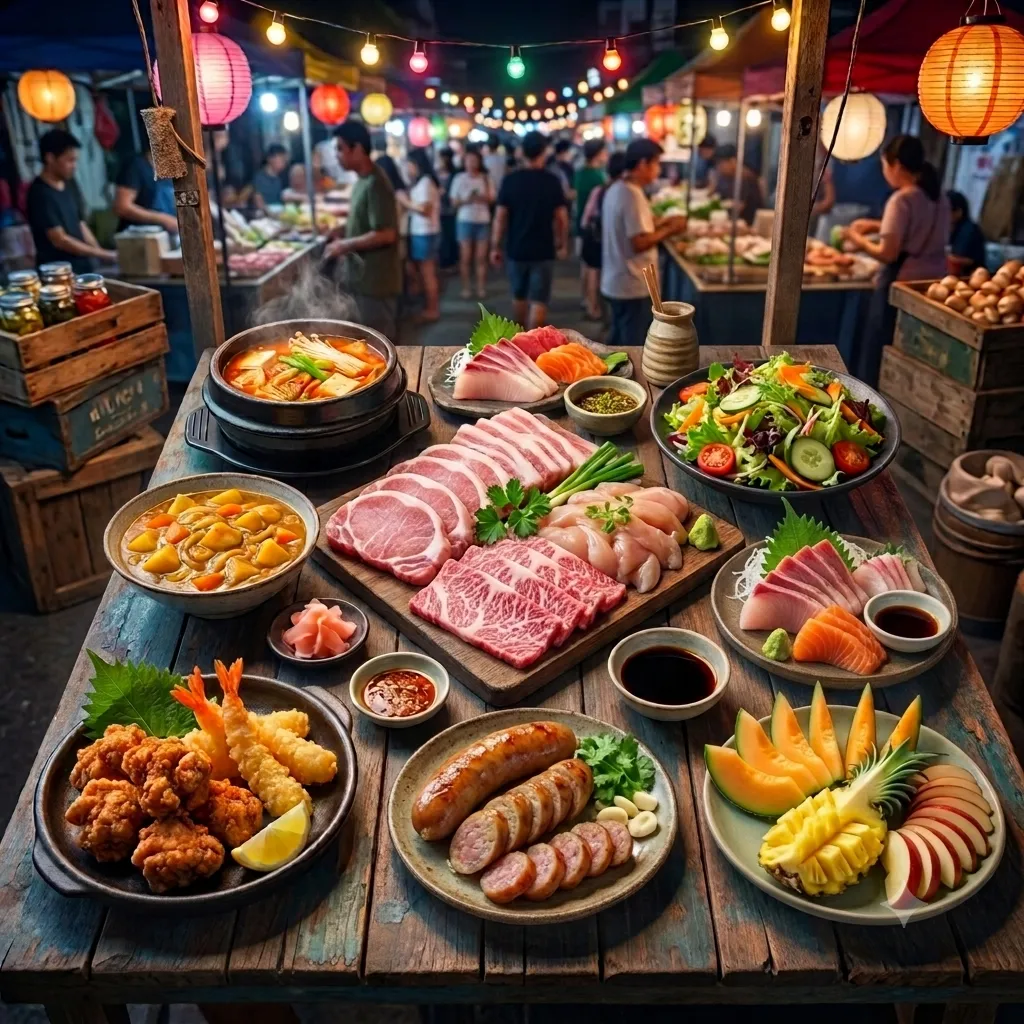
The dining table is at the heart of our emotional bonds. It not only brings the people who share it closer together but also weaves countless shared memories. At every mealtime, delicious food from all directions tempts the taste buds. A restaurant that is always busy is sure to have mouth-watering dishes, and behind them lies not only the chef’s consummate skill and secret sauces but, more importantly, the careful choice of where the ingredients come from.
The cook of the household bustles about serving home-style dishes, and the added touch of love turns the ordinary into something unique. Even the same home-style dish tastes different in the hands of a different head chef of the family, and a “clean plate” is the highest compliment to the cook. Whether we are dining finely in a starred restaurant or eating a bowl of plain noodle soup thrown together at home, what we ask of food never changes: fresh, hygienic and delicious. Yet for every healthy mouthful we eat, we need to understand the nature of our food more deeply.
Behind a Perfect Appearance, Traces of Chemicals
Although the food we eat every day comes from natural ingredients, behind its intact shape, rich colour and smooth, juicy look, it has often inevitably come into contact with chemical additives.
Take fruit and vegetables at the market or supermarket: it is hard to buy fruit that is “just ripe”. To extend shelf life, farmers usually harvest fruit and vegetables before they are fully ripe (because fully ripe fruit has a shorter shelf life) and then spray them with ethylene to ripen them, so that consumers can take them home to keep fresh in the fridge or in a cool place, and eat the fruit once it has ripened. Unless we pick and eat on the spot where it is grown, it is hard to taste the purest, richest aroma of fruit and vegetables that have ripened just right on the branch.
Ideal and Reality: From the Concrete Jungle to Choosing Ingredients
If you have a small plot of farmland, home-grown vegetables are not only full of life but also crisper, and fruit is firm, sweet and rich. As the old saying goes, “if space and time allow, it is best to eat what you grow yourself.” But in cities where land is precious and concrete stretches like a jungle, this is a luxury ideal for most commuters.
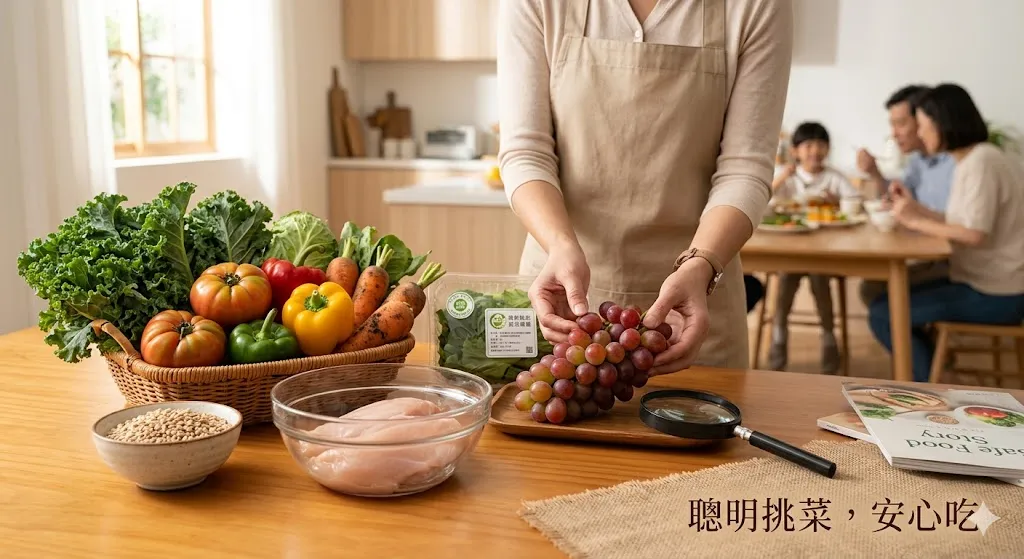
The most common way people choose ingredients is much like the four diagnostic methods doctors of traditional Chinese medicine use, “look, smell, ask and feel” (望、聞、問、切):
- Look: observe the colour and the texture of the meat.
- Smell: notice whether the ingredient has any unusual smell.
- Ask: ask about the source and place of origin.
- Feel: actually touch the ingredient to check its texture and springiness.
Simply put, it comes down to appearance. To a certain extent, appearance not only reflects consumers’ preferences but also how much care livestock farmers and growers put into their animals and crops. When farmers look after their animals carefully, their armies of land, sea and air come plump or lean, with clearly defined meat and rich, tender fat running through it. When farmers grow fruit and vegetables with care, they are well proportioned and even in size, lush and vivid in reds, oranges, yellows and greens.
The Gamble Between Appearance and Risk
A perfect appearance is the result of human intervention. Why? To raise good-looking meat, livestock farmers add antibiotics to feed to stop animals falling ill, so that meat quality does not suffer and get rejected by retailers, and so that the animals are not culled, causing losses. To grow flawless-looking fruit and vegetables, farmers have to spray pesticides to stop insects eating them, because poor-looking produce is not only picked over and thrown away but also causes losses. So when we choose ingredients by their looks, we have to bear the risk of eating artificial additives.
When we buy meat to cook at home, if we do not cook it through in pursuit of just the right sous-vide tenderness, or if we eat fruit and vegetables that have not been cleaned thoroughly, we may eat pesticides. And when people who are more sensitive to food additives eat them, they may suffer food allergies or poisoning and put extra strain on their metabolism.
Choose Wisely and Take Back Control of What You Eat
We know that eating stale or unhealthy food can cause gastroenteritis, diarrhoea, vomiting, high fever and other symptoms. Faced with food-safety doubts, should people who eat out simply turn a blind eye and accept everything for the sake of a balanced diet, and try not to think too much? Or is it fine as long as we choose fresh whole foods? That seems too sweeping a claim as well. Clearly, neither “blind fear” nor “sweeping generalisation” is the answer. In that case, how should we choose our food? And how should we eat to stay safe?
True Health Comes from Understanding the “Growing Story” of Our Food
In fact, living in a busy commercial age, eating out is part of modern culture, and it is very hard to remove food additives from our menus altogether. We only need to understand a little more about where our ingredients come from, and we can use what we have learned to choose ingredients and food that are safe and reassuring to eat. When cooking at home, we can give our families food that is not only delicious but also healthy, and when eating out, we can choose wisely and eat with peace of mind.
Enjoyed this article? Get the newsletter
Our newsletter is written in Chinese for now: new articles and series, with an editor’s note. No spam, and you can unsubscribe at any time.