The Latest Taiwanese “Dirty Dozen”: Fruit and Vegetables on the Pesticide-Residue List
News about “pesticide residues on farm produce”, followed from April to June 2026, has made it hard for many consumers who care about a balanced diet to eat fruit and vegetables with peace of mind. It has even given students who never liked vegetables in the first place a perfectly justified excuse not to eat them. Do we really have to raise our budget and eat organic vegetables or salads to have a balanced diet? In fact, as long as we learn the tricks from the inspection lists, and choose smartly and wash fruit and vegetables properly, there are still plenty of fruit and vegetables we can enjoy with confidence.
According to the Taiwan FDA’s (TFDA, 食品藥物管理署) published data on “Detections and Sampling Locations of Non-Compliant Agricultural Products on the Market” (市售不合格農產品之檢出情形及抽樣地點), the fruit and vegetables that appeared on the pesticide-residue lists from 2020 to February 2026 are as follows:
- Vegetables repeatedly on the list: peas (long beans, snow peas), chillies, white radish (daikon), scallions and Chinese chives.
- Fruit and gourds repeatedly on the list: passion fruit, strawberries, lychees, papayas, longans and lemons.
- Vegetables that appeared only briefly: coriander, Thai basil (九層塔), garland chrysanthemum, kale, napa cabbage, broccoli, Chinese kale (gai lan), lettuce, bok choy and aubergine.
- Fruit and gourds that appeared only briefly: wax apples, kumquats, kiwi fruit, mangoes, peaches, nectarines, apples, cherries, blueberries, cantaloupe and oriental melon.
Overturning Conventional Wisdom: Aromatic Herbs and Hard-Skinned Produce Need More Careful Cleaning
There is a popular belief that vegetables with a pungent aroma, or with thick or hard skins, are less likely to be eaten by insects, so less pesticide is used on them. But the fruit and vegetables that appear on the “pesticide-residue rankings” show that this old belief needs correcting. Fruit and vegetables that need careful cleaning:
- Aromatic herbs and vegetables (scallions, Chinese chives, Thai basil, coriander, chillies): these usually play a supporting role in cooking, added at the end to bring out a dish’s flavour. They are often used as a garnish for the whole dish, and because only small amounts are used, it is easy to cut corners when cleaning them, making them a cleaning blind spot.
- Hard-shelled fruit (lychees, longans, lemons, cantaloupe, oriental melon, kumquats): consumers tend to think that the hard shell keeps residues out, so as long as the fruit is peeled before eating, there is no need to wash it carefully. Little do they know that although the flesh is protected by the shell and pesticides do not easily get in, if the outside is not properly cleaned, pesticide can easily get onto the fingertips when peeling and then contaminate the flesh. So these fruits should not be skimped on when cleaning either.
- Soft-skinned fruit (kiwi fruit, blueberries, strawberries): if you are worried about pesticide residues, look for fruit carrying “organically grown” or “passed pesticide-residue testing” labels. In addition, berries were involved in a hepatitis A virus contamination incident in 2023. Imported berries can easily breed germs because of temperature changes during transport and storage, so please eat them as soon as possible.
Invisible Risks: Frozen Vegetables and Imported Processed Foods:
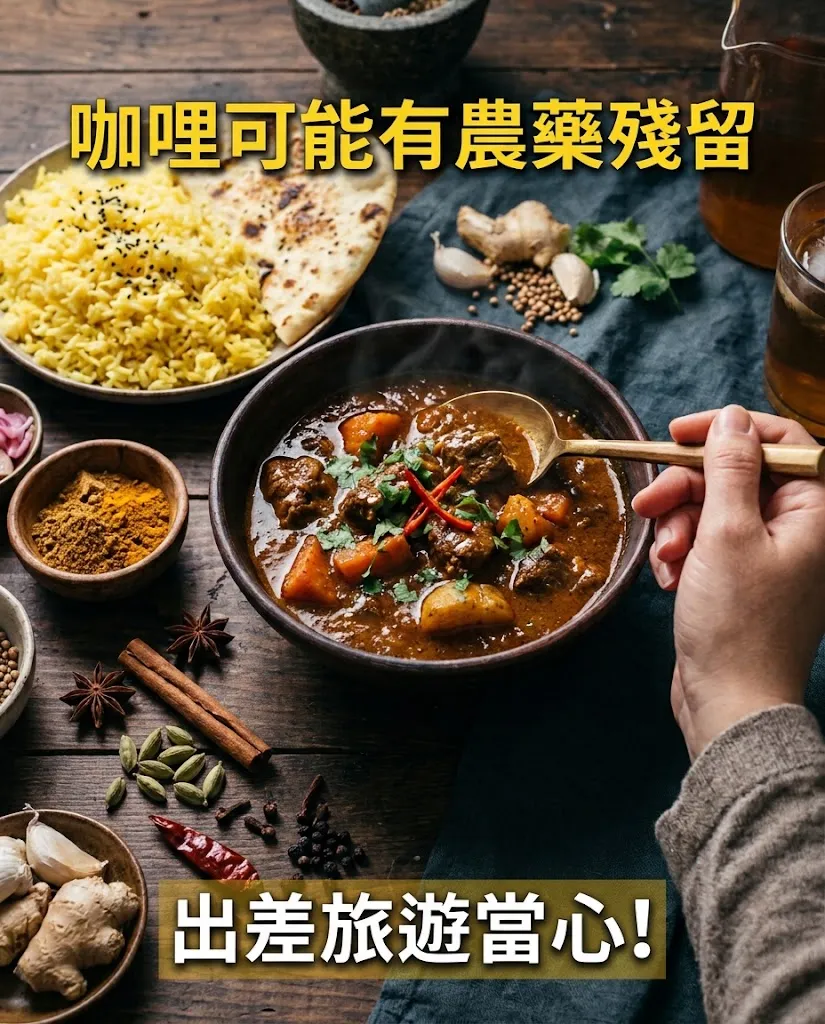
- Frozen processed foods and sauces: onions, cauliflower, chips (hash browns), soy-pickled melon (蔭瓜, made from mustard greens), kimchi (made from napa cabbage or cabbage), chilli sauce (used in spicy hotpots and dishes) and curry (containing imported compound spice blends).
- The popular food “quinoa with edamame”: the edamame in chilled processed foods is unripe “soybeans” or “black soybeans”, which have nothing to do with the “peas” on the list. Consumers should not confuse them.
- Hand-shaken drinks and spreads: kumquats, blueberries and strawberries are often made into concentrated jams or mixed into hand-shaken drinks.
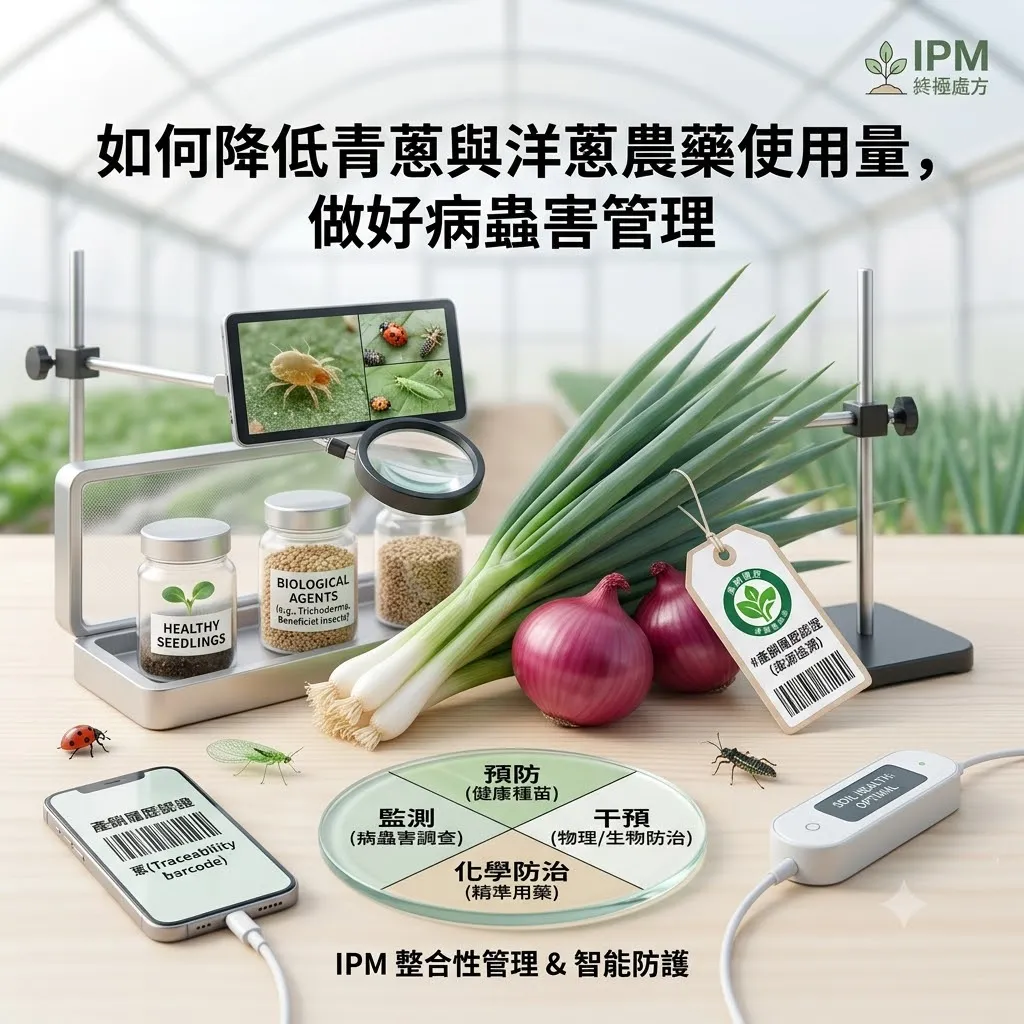
When buying these kinds of foods, consumers are advised to choose restaurants that voluntarily publish test reports on pesticides, heavy metals and veterinary drugs in their ingredients, or to look for foods carrying the Traceable Agricultural Products (TAP, 產銷履歷) or organic certification labels.
Expert Tips: How to Wash Different Kinds of Fruit and Vegetables Properly
With frequent news of pesticide residues on delicate leafy greens, most consumers already know the basics of cleaning them, thanks to media reports. What consumers find tricky is vegetables with overlapping layers or wrinkled, wrapped leaves (bok choy, baby bok choy, broccoli, cauliflower, strawberries, grapes and so on). They worry that over-cleaning will damage the skin of the fruit or leaves, but also that not washing long enough will leave pesticide behind. On this, let’s hear the advice of experts from the Council of Agriculture (COA, 農委會), now the Ministry of Agriculture (MOA, 農業部):
- Leafy greens: spread the leaves open, brush away dust and dirt from the hidden corners, and wash under running water or soak for 10–15 minutes.
- Fruit and gourds: rinse off surface dirt under the tap, soak for 5 minutes, then put them in a colander and gently swish them under running water 5 times. This removes 70% of pesticides. Fruit with delicate or damaged skin should be cleaned as appropriate. In addition, berry skins do not tolerate water well, so after cleaning, pat them dry with kitchen paper to stop the skins from softening.
From Farm to Table: Three Strict Checkpoints in Distribution
Before Taiwanese farm produce goes on sale, it usually has to pass layer upon layer of testing before it safely reaches consumers:
Testing at harvest: fruit and vegetables at harvest time are first sampled and tested by drug-testing specialists, and can only be harvested once they pass the pesticide-residue test. When produce exceeds the safe limit, farmers have to wait until the pesticide naturally breaks down to within the safe limit before harvesting.
Testing at market: when fresh fruit and vegetables reach the point of sale, staff at wholesale and retail markets also check pesticide residues.
Post-market inspection: the Taiwan FDA of the Ministry of Health and Welfare (衛福部) carries out random pesticide-residue testing on fruit and vegetables on sale and on imported produce. If residues above the limits are found, the authorities require shops to take the produce off the shelves or destroy it on the spot, or fine restaurants, and trace it back to the source.
Rules for Buying Fruit and Vegetables: Avoid Rush Harvests, and Clean Imported Produce Properly Too
Although farm produce passes three checkpoints before it reaches the market to make sure it is safe to eat, consumers still have their doubts. Pesticide residues on the surface of fruit and vegetables can be washed off under running water, but long-term intensive cultivation has left the soil depleted, so heavy fertilising is needed. The problem of pesticide residues absorbed into the fruit and vegetables themselves still makes it hard for consumers to eat them with peace of mind.
To eat with more confidence, when shopping or eating out you can avoid fruit and vegetables that were rush-harvested during periods of extreme weather (cold snaps, strong typhoons, torrential rain). Such produce may have been harvested before the pesticides were fully broken down, so it may have higher pesticide residues. For a balanced diet, you can buy other fruit and vegetables instead, which are also more reasonably priced, and put the rush-harvested produce back on your plate once the weather settles. To know clearly which produce was harvested early in a rush, watch for reports about weather-related losses causing prices to soar.
In addition, Taiwan also imports fruit, vegetables and medicinal herbs from China, the United States, Japan, South Korea, New Zealand, Vietnam and other countries. Each country has different standards for pesticide residues on imported fresh or frozen processed foods, but everything imported into Taiwan must pass border inspection and be below the legal limits before it can go on sale. So whether made in Taiwan or imported, frozen packaged foods may have pesticide-residue problems and all need careful cleaning.
What’s more, restaurants may use frozen processed foods to serve dishes quickly. So, again, you can eat at places marked as “pesticide-tested and compliant”, or buy tested and compliant fresh food to cook at home.
Eating Tips to Keep “Pesticides Out”:
When cooking at home, residual pesticides decrease the longer food is simmered, although some nutrients are lost. When eating out, you can choose dishes cooked in water, noodle soups and hotpots, because residual pesticides can be carried away as the water evaporates as steam. Also, avoid drinking hotpot broth after ingredients have been boiled in it; since you will not be drinking the soup, add broth sparingly so as not to waste food. Finally, look for the “passed pesticide-residue testing” label to make sure what you eat is safe.
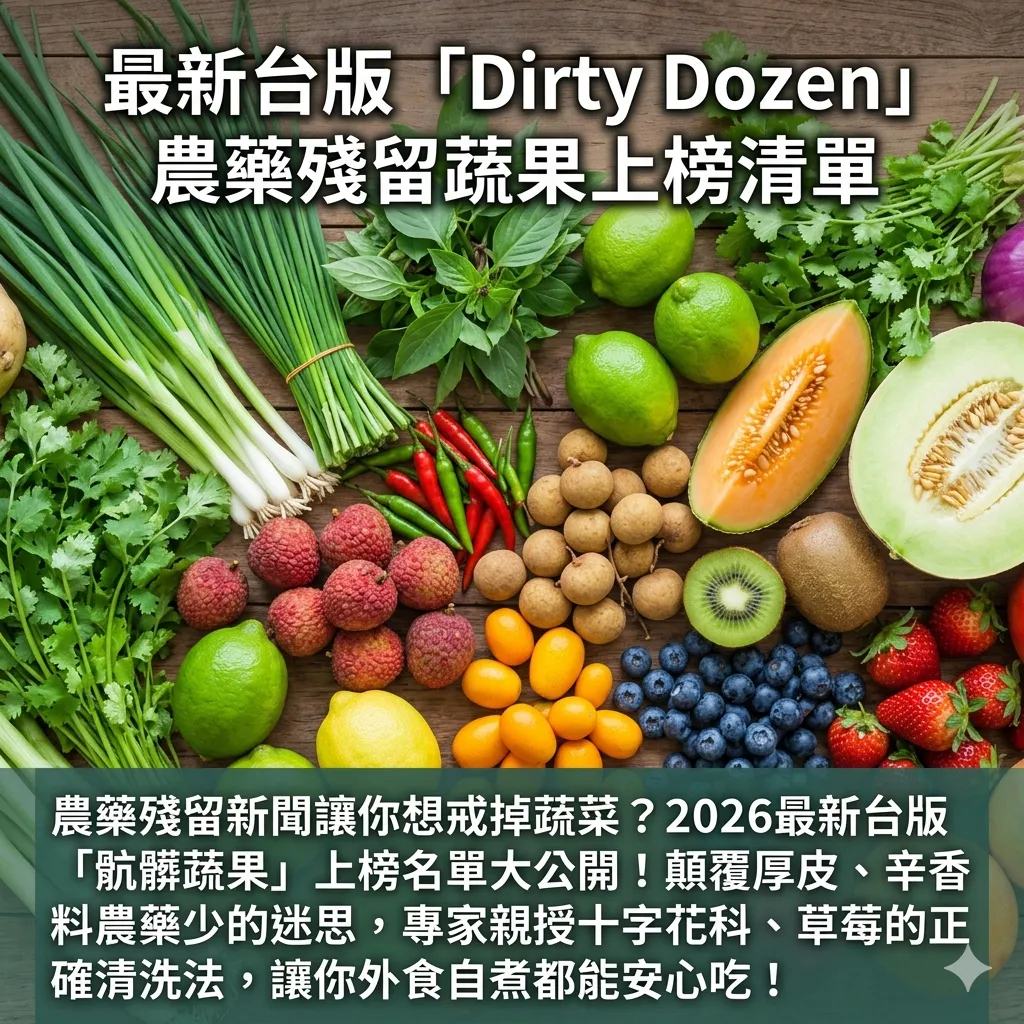
English text of this image
The latest Taiwanese “Dirty Dozen”: the produce with the most pesticide residues
Has news about pesticide residues made you want to give up vegetables? The latest 2026 Taiwanese “dirty produce” list is out! It overturns the myth that thick-skinned produce and spices carry little pesticide, and experts explain how to wash cruciferous vegetables and strawberries properly, so you can eat with peace of mind whether you eat out or cook at home.
Enjoyed this article? Get the newsletter
Our newsletter is written in Chinese for now: new articles and series, with an editor’s note. No spam, and you can unsubscribe at any time.