標籤

Climate Change

How extreme weather, torrential rain and drought affect crop yields and food supply.

4 articles · Topic: Agritech & Sustainability

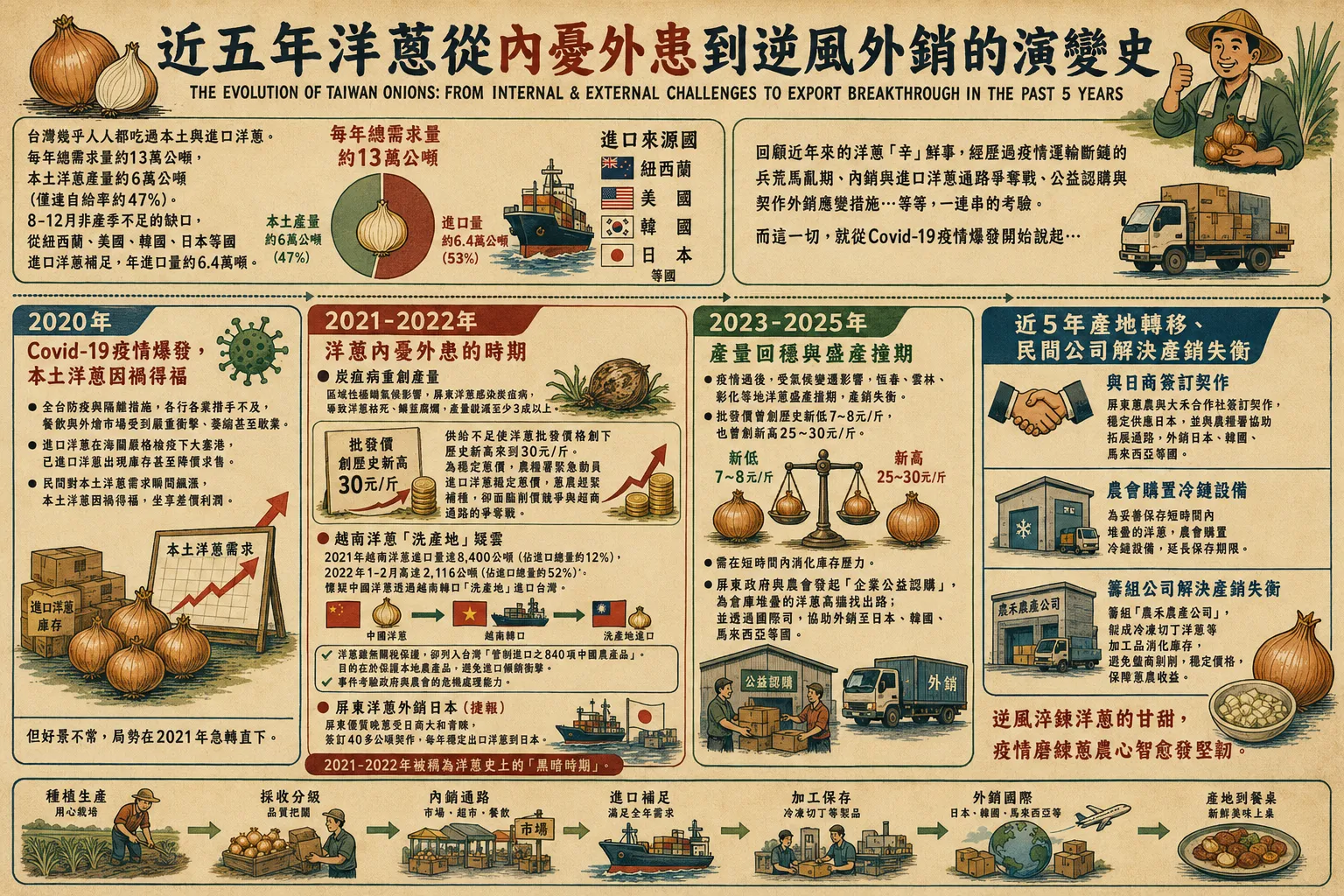
  1. Taiwan's Onions Over the Past 5 Years: From Supply Gluts to Exports to Japan Against the Odds

    Almost everyone in Taiwan has eaten both local and imported onions. Total annual demand is about 130,000 tonnes, while local production is about 60,000 tonnes (a self-sufficiency rate of only about 47%); the off-season gap from August to December is filled with about 64,000 tonnes a year imported from New Zealand, the United States, South Korea, Japan and elsewhere.
  2. Do Extreme-Climate Regions Need GM Crops? Innovative Paths from Biotechnology and Urban Farms

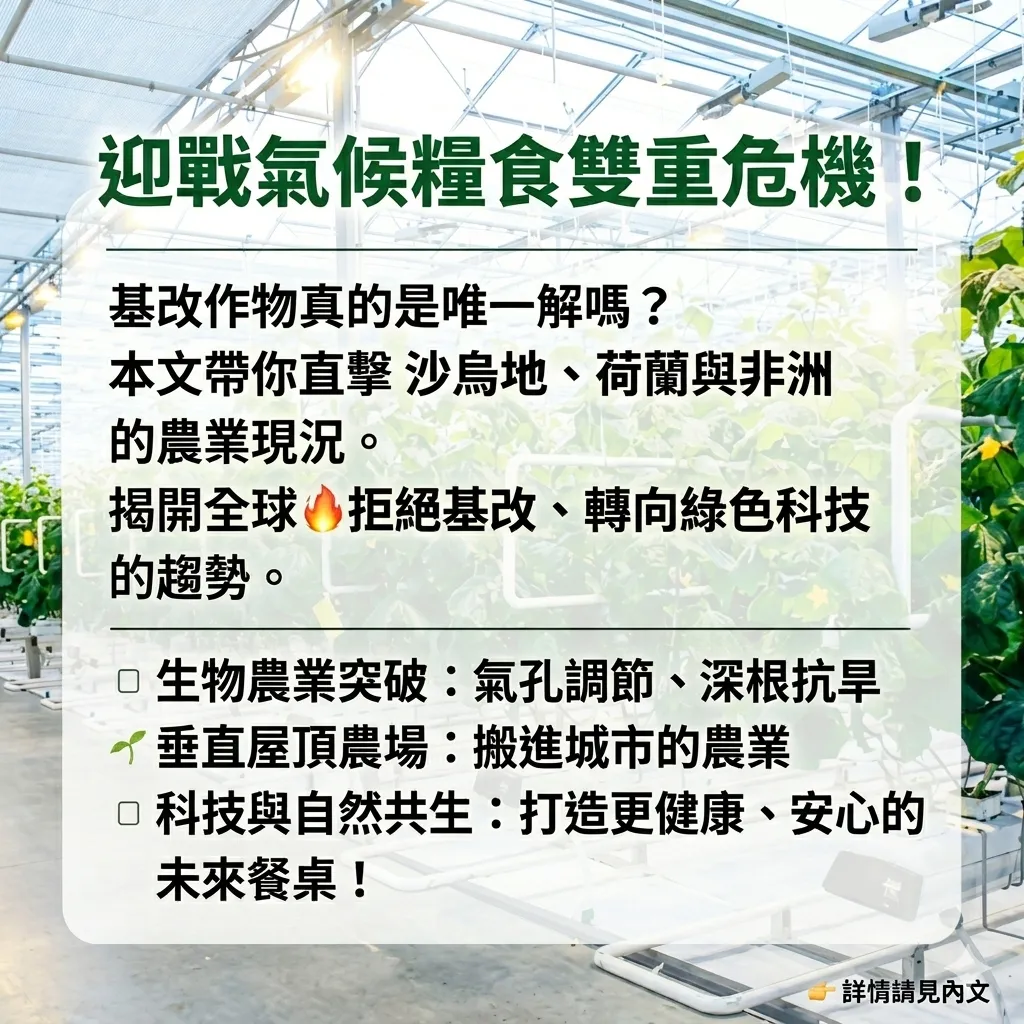
    GM crops were originally meant to solve food crises under climate change: they are stress-resistant, can grow in harsh polar and desert conditions, and are drought- and pest-resistant with less pesticide use. But do countries with extreme climates actually grow them widely?

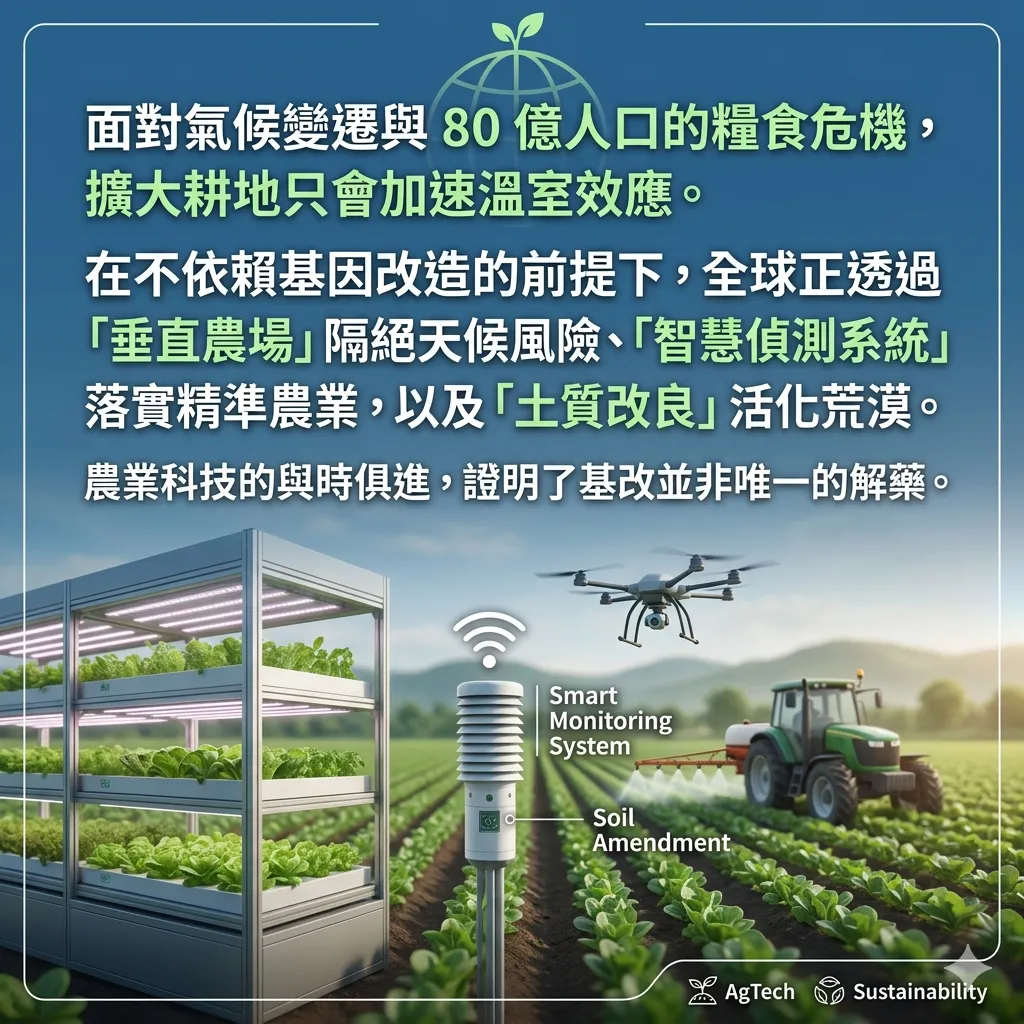
  3. Sweat and Rain Before GMOs: How Smart Farming Is Driving a Non-GM Green Revolution

    The world's population has reached 8 billion. Feeding everyone on Earth through traditional food production usually means expanding farmland, clearing mountain forests and shrinking the rainforests, which accelerates global warming, reduces biodiversity and drives regional climate change.

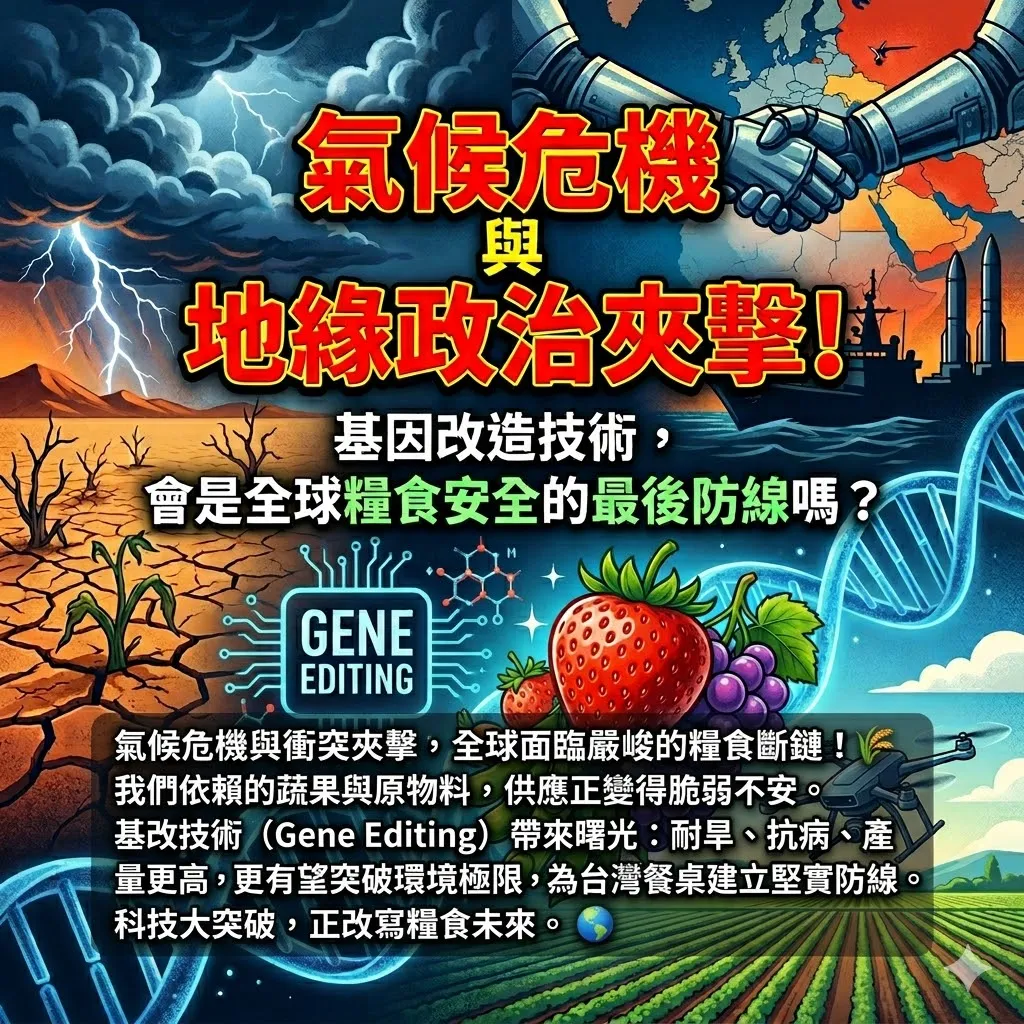
  4. Squeezed by Climate Crisis and Geopolitics: Could Genetic Modification Be the Last Line of Defence for Global Food Security?

    Genetically modified organisms (GMOs) have been developed for more than fifteen years and are still being researched in many countries. Although GMOs have underperformed in the field and in the market, global warming and increasingly normal extreme weather have strengthened countries' resolve to develop them, and GMOs will become key to breaking through adversity.