For any food lover, a journey in search of good food is a wonderful sensory experience. Great dishes not only satisfy the taste buds but also deepen the social bonds between people, whether during a short break, a business meeting or a lively party. Food is not only a source of energy and comfort for the soul, but also a social tool.
Hunting for the next great meal has become a national pastime. Food lovers’ passion for food spreads widely through word of mouth and viral food blogs. Armed with online buzz and Google Maps, eager foodies plan their routes, ready to conquer every hidden culinary gem tucked away in winding alleys. These days, even a snack stall squeezed into an inconspicuous corner can draw long queues. In the noisy world of food, what food lovers fear most is not a long wait in line, but finally reaching the front only to be served a deeply disappointing meal.
The Hidden Costs Behind the Food Craze
Our emotional and culinary journey has moved from meeting a simple physical need to a cultural experience of enjoying life. But as we blindly chase the next viral food trend, what crucial details are we overlooking?
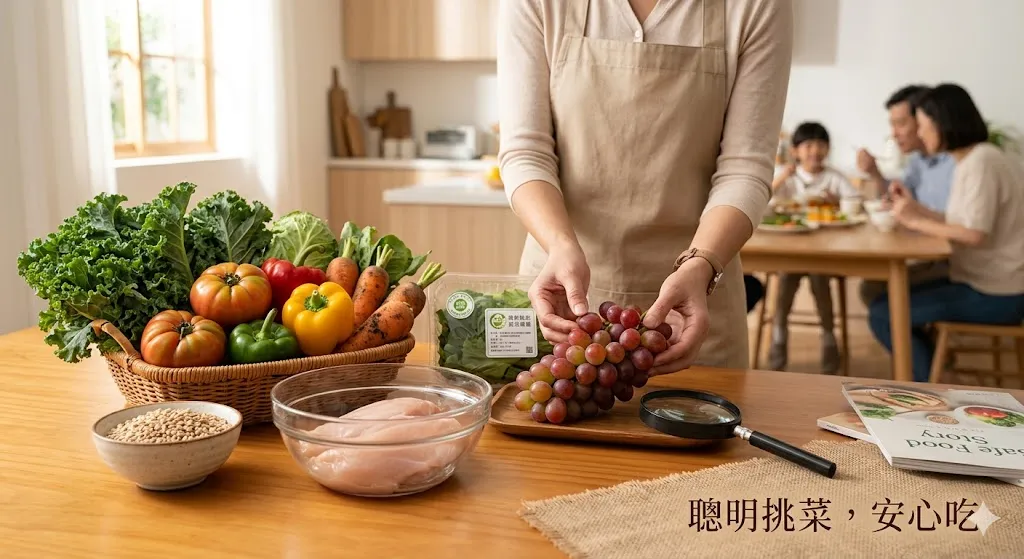
How often do we pay attention to the labels on supermarket shelves, carefully checking for Traceable Agricultural Products (TAP, 產銷履歷), organic certification, additive-free ingredients and expiry dates? When we look for food outside, do we really consider where the ingredients come from, how they are stored and the overall standard of hygiene?
Your Ultimate Night-Market Food-Safety Checklist
To protect your health while enjoying the world-famous street-food culture, keep these practical food-safety tips in mind:
-
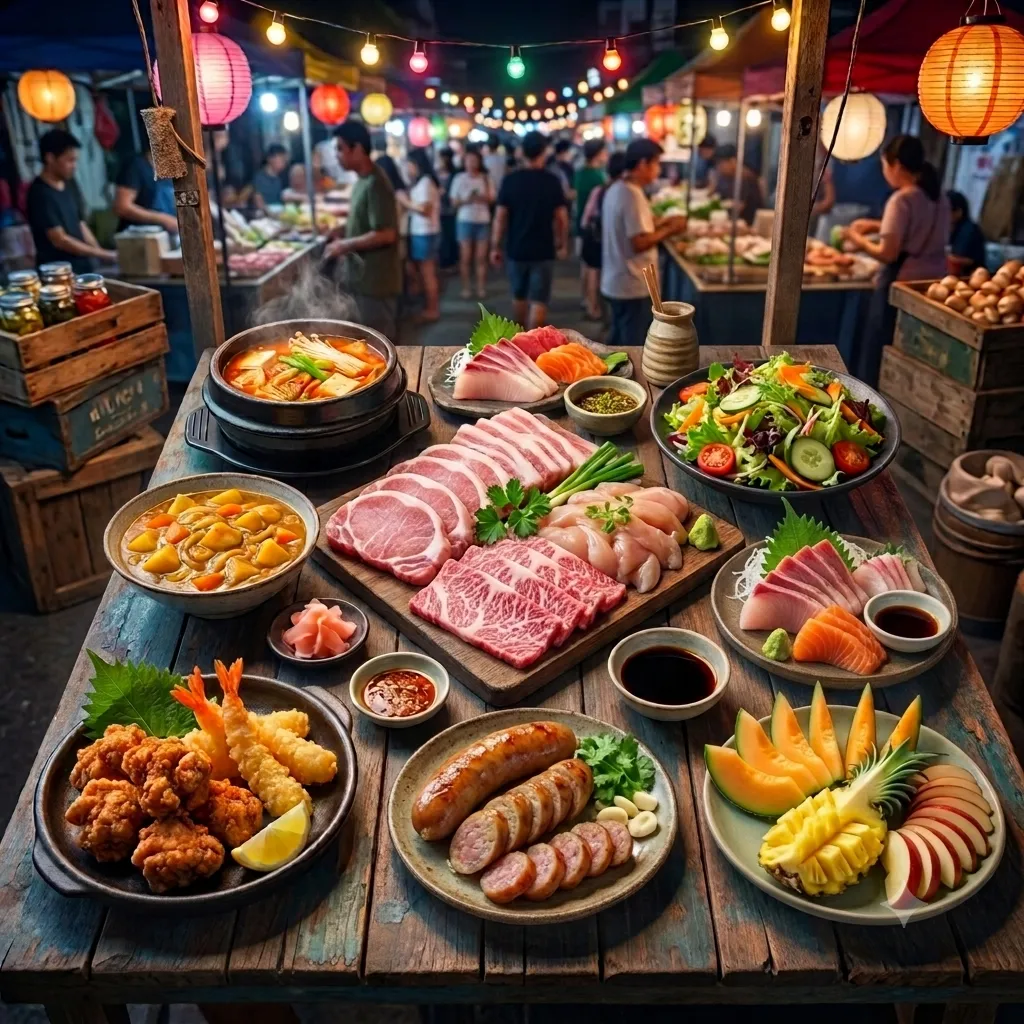
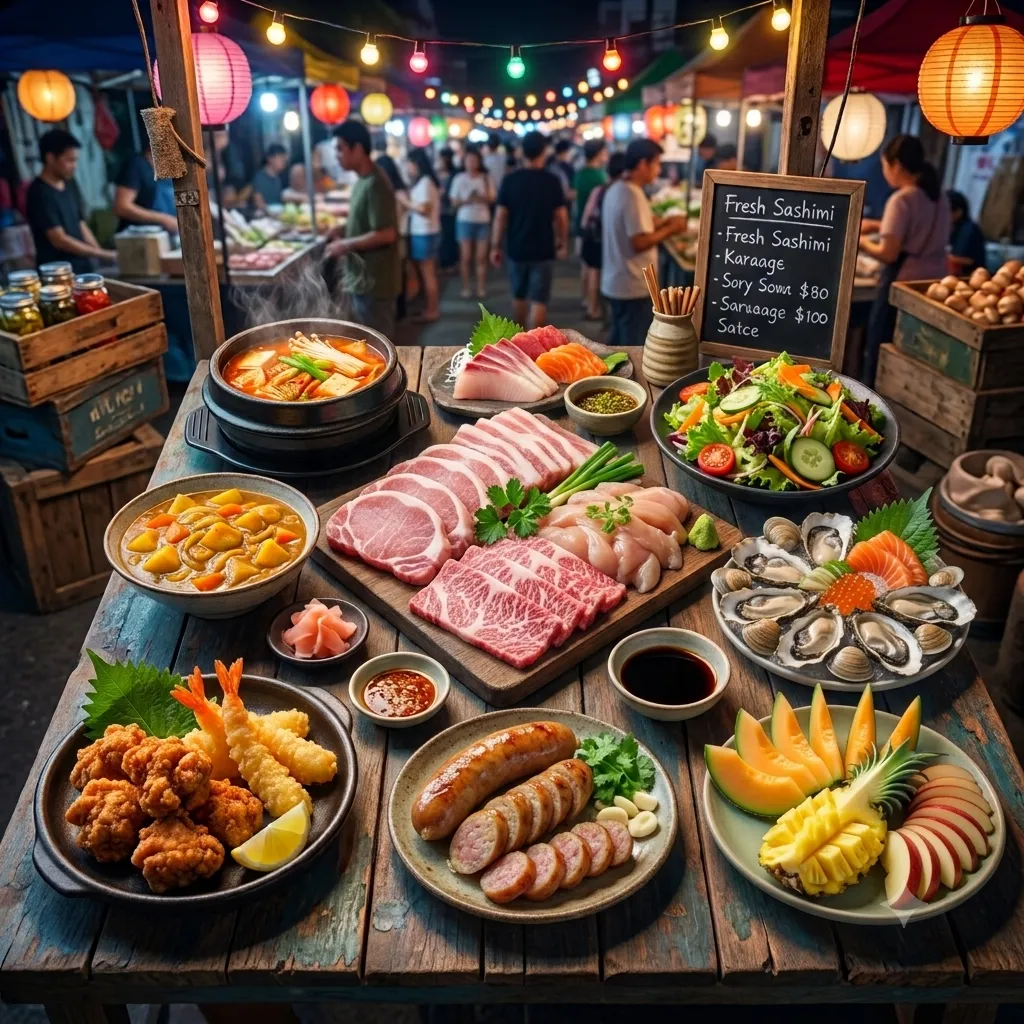
Check the freshness of raw ingredients: if a stall displays raw ingredients directly on an open bed of ice, use your senses to check them before ordering, and make sure you cannot smell anything sour, spoiled or off.
-
Chicken: it should look plump and translucent pink, and should not look dull or lacklustre.
-
Pork or beef: the meat should spring back when pressed. Avoid meat that looks dull grey, dark red, or slack and inelastic. In addition, the fat should be creamy white.
-
Seafood: the centre should look plump and moist. Oysters, clams and cod should stay creamy white, never a chalky dead white or shrivelled. Salmon and tuna should be orange-pink and deep red respectively.
-
Vegetables: leafy greens should be washed clean, with no wilted edges.
-
-
Choose thoroughly cooked dishes first: if you cannot see how the food is prepared behind the stall, the safest choice is a dish stir-fried to order, or one that is still steaming hot when served. Try to avoid raw or undercooked options (such as flame-seared raw beef cubes or sashimi), as these are the easiest breeding grounds for bacteria.
-
Pick stalls with high turnover: a long queue that moves quickly usually means the food is tasty and the ingredients are fresh. High turnover means the vendor is constantly restocking, rather than leaving food sitting out in the open for long periods.
Important note: once you have your food, eat it as soon as possible. Leaving food at room temperature for more than two hours causes bacteria to multiply rapidly.
-
Assess how food is stored: it is strongly recommended to choose stalls that keep ingredients in sealed, insulated cool boxes (such as Igloo cool boxes), rather than exposed on an open bed of ice. However, if the lid of the cool box is opened often during peak hours, it loses its cooling effect. The longer food is exposed to warm air, the higher the risk of contamination.
-
Watch out for additives and heavy seasoning:
-
Artificial colourings: stay away from food with unnaturally bright colours. A Korean kimchi stew that is glowing red, or a curry that is fluorescent yellow, often means artificial colourings or industrial dyes have been added.
-
Heavy spices: heavily flavoured or chilli-laden dishes usually rely on complex spice packs for seasoning. If the vendor does not wash them carefully enough, these spices can easily carry pesticide residues. In addition, strong spice flavours can easily mask the sour smell of meat that is not fresh or has gone off.
-
Fried food: before ordering, check whether the vendor’s frying oil is clear and free of sediment. Order from vendors who change their oil every day, so you can be sure your food is fried in fresh oil.
-
Processed foods: processed foods such as sausages, bacon and rice blood cake (or blood sausage) may contain chemical preservatives such as nitrites. If you are concerned about carcinogens, it is best to eat them in moderation.
-
-
Assess the hygiene of the surroundings:
-
Check for gas leaks: if you smell even the faintest whiff of leaking gas near a stall, keep your distance for your own safety. In a crowded market, loose gas-line connections are a major and hidden public-safety hazard.
-
Observe the vendor’s hygiene habits: take a quick look at the hygiene details as staff work. Avoid the stall if you see staff doing any of the following:
-
Touching food straight after handling change or taking cash, without washing or sanitising their hands.
-
Reusing cloudy, dirty water to wash bowls, plates or utensils.
-
Tables and chairs that feel greasy, sticky or are covered in dust.
-
Rubbish or waste bins left uncovered, with flies and insects hovering around them.
-
-
When vendors cut corners on hygiene, your health is at risk of bacterial infection and food poisoning. By choosing street food wisely, we can still savour a rich food culture safely.
Enjoyed this article? Get the newsletter
Our newsletter is written in Chinese for now: new articles and series, with an editor’s note. No spam, and you can unsubscribe at any time.