文章部落

Articles

42 articles, newest first. Filter by food or by topic.

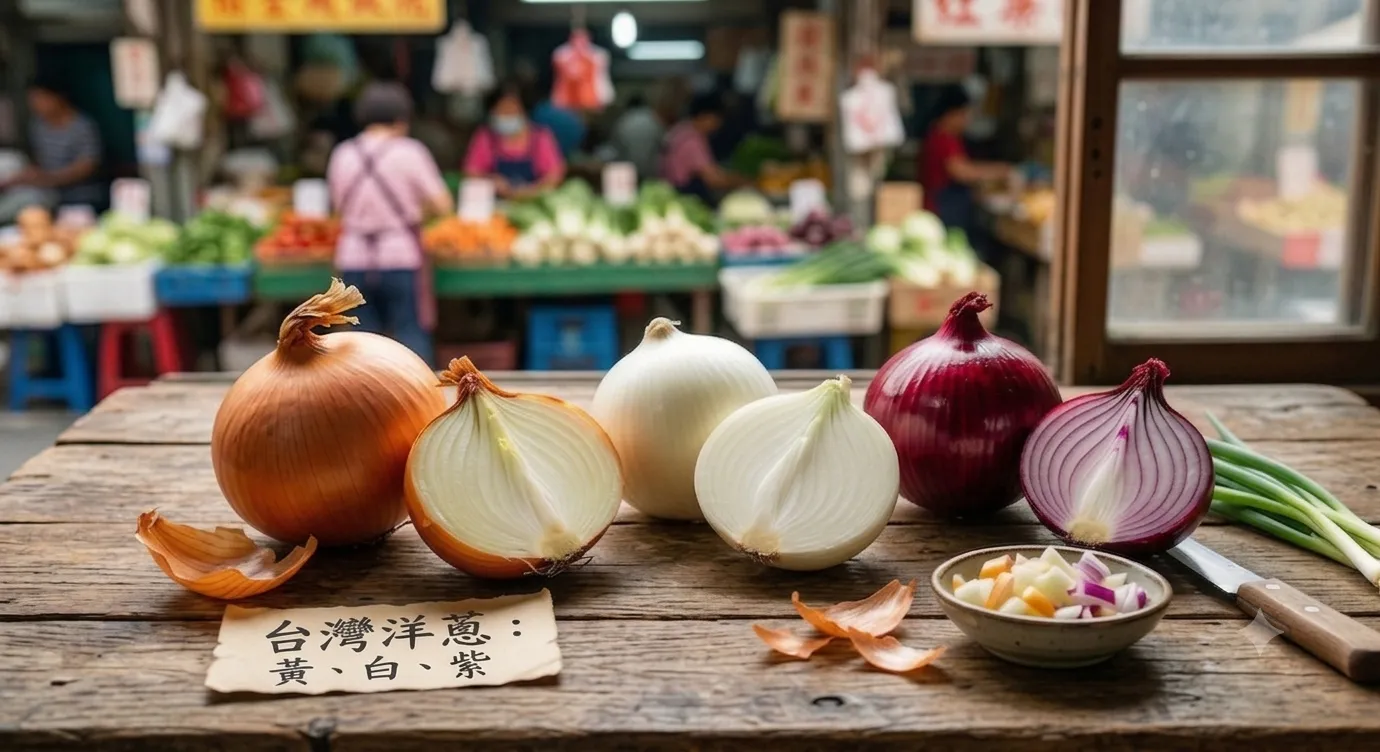
  1. Taiwanese Onions Explained: Growing Areas, Yellow, White and Red Varieties, How to Choose Them and Cut Without Tears

    More than 90% of the onions grown in Taiwan are introduced “short-day varieties”, known for being sweet, mild and early-maturing: fair-skinned beauties that ooze juice when pinched and have a sharp bite.
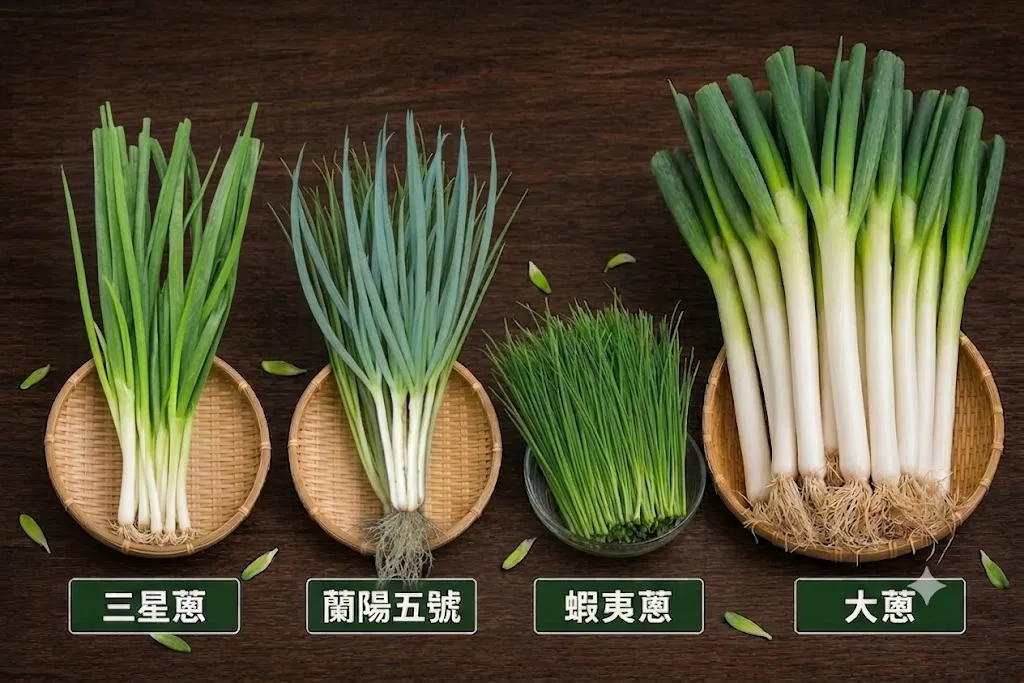
  2. Taiwan's Scallion Varieties Explained: Sanxing, Northern, Shallot-Type and Welsh Onions, Origins and Flavours

    At Taiwan's local food festivals, the stars are not only premium meat and fresh produce. Every winter and spring, the humble scallion, a supporting player in cities north and south, takes turns in the spotlight and fills small towns with its aroma.

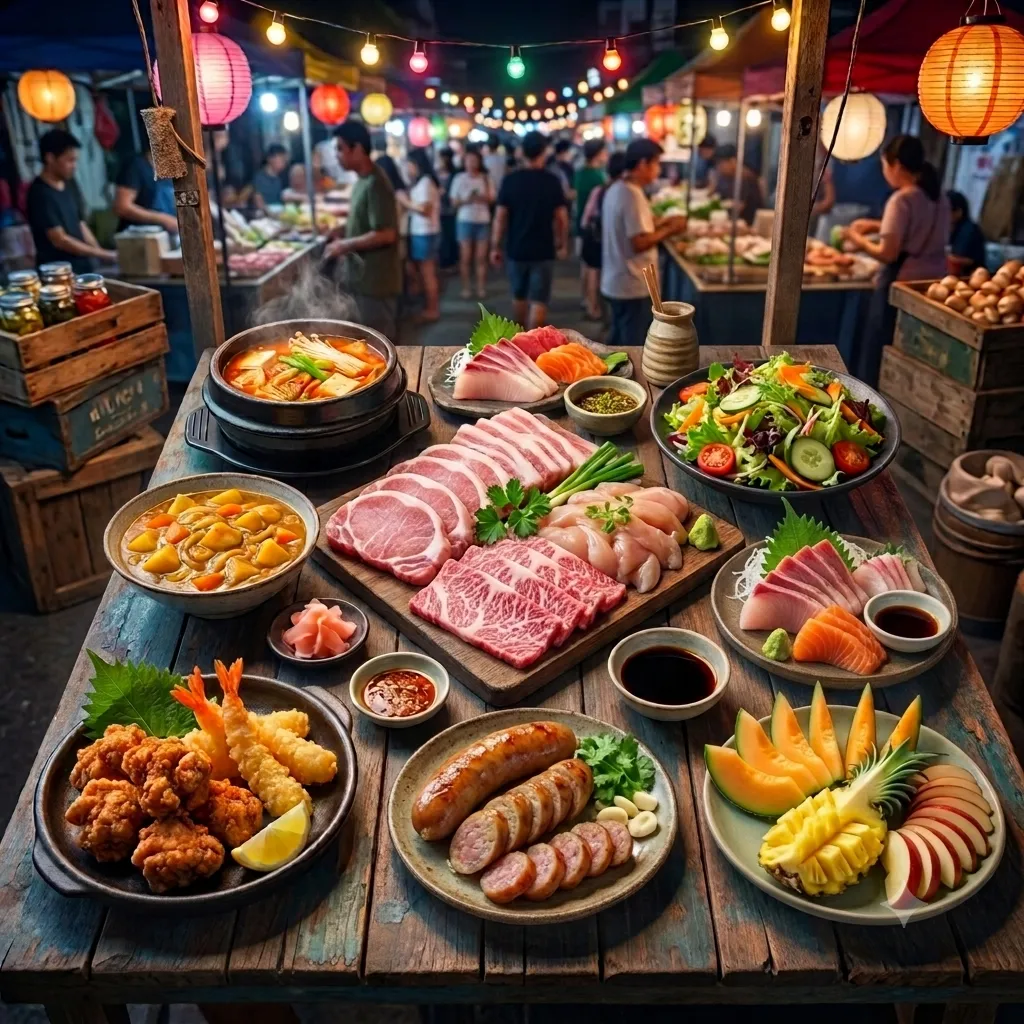
  3. Food Safety in the Age of Food Culture: How to Enjoy Street Food and Stay Healthy

    Hunting for the next great meal has become a national pastime. Food lovers' passion spreads by word of mouth and viral food blogs, and armed with online buzz and Google Maps, eager foodies plan their routes to conquer every hidden gem tucked away in winding alleys.

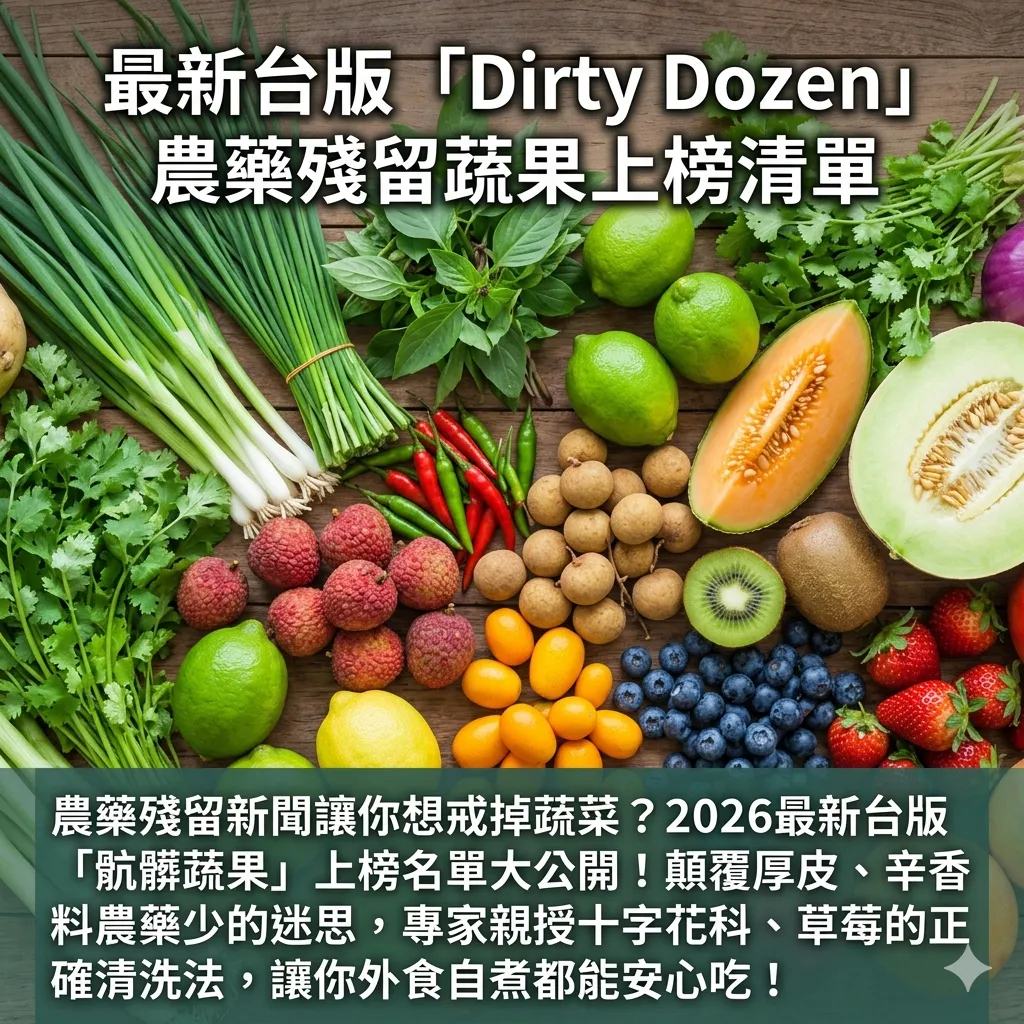
  4. Choose Smart, Wash Right: Busting Myths About Pesticide Residues on Fruit and Vegetables for a Balanced Diet

    News about pesticide residues on farm produce, followed from April to June 2026, has made it hard for many consumers who care about a balanced diet to eat fruit and vegetables with peace of mind, and has even given students who never liked vegetables a perfect excuse to skip them. Do we really have to raise our budget for organic vegetables or salads to eat a balanced diet?

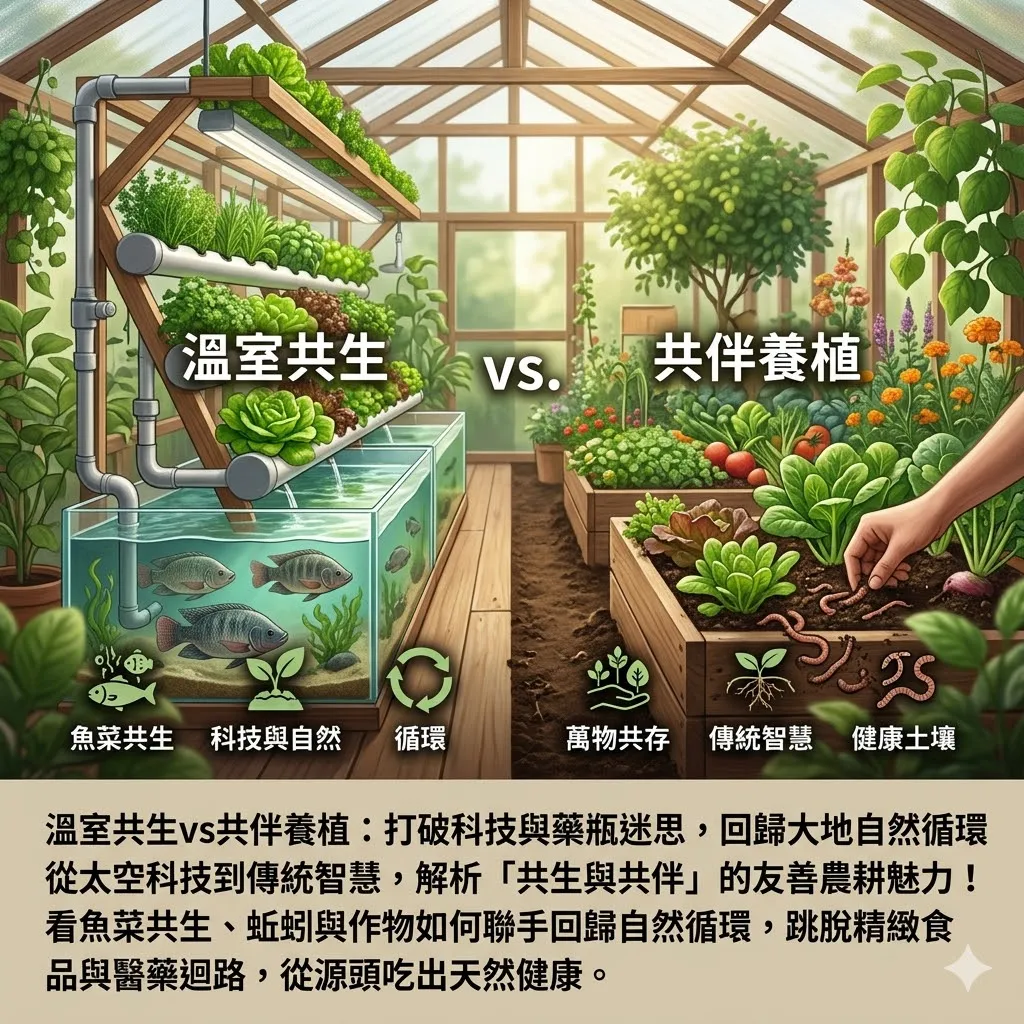
  5. Greenhouse Symbiosis vs Companion Planting: Beyond the Myths of Technology and Pesticide Bottles, Back to Nature's Cycles

    In June 2026, cash-burning rocket company SpaceX held its initial public offering (IPO), and money-hungry investors piled in, pushing entrepreneur Elon Musk's net worth past one trillion US dollars. This financial headline seems to have nothing to do with GM crops, yet the two can be linked, at a stretch.

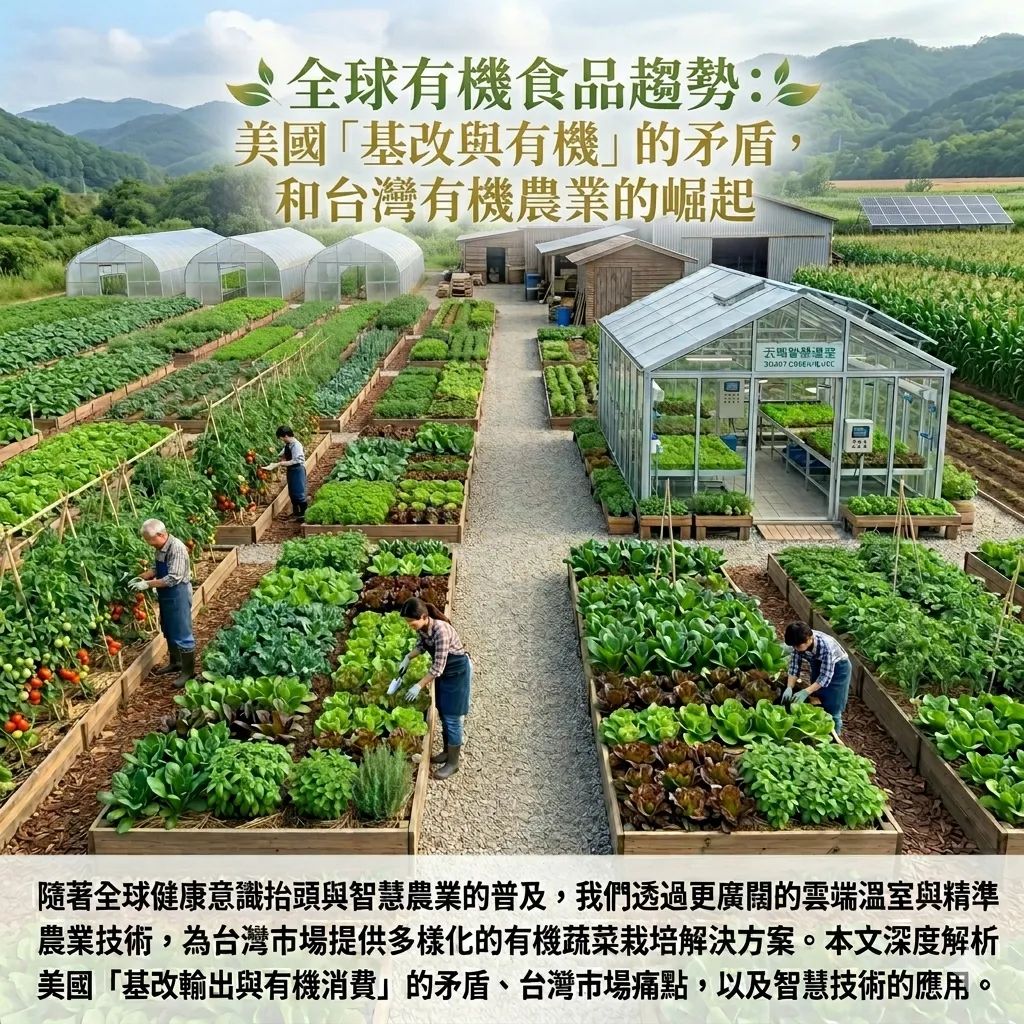
  6. Global Organic Food Trends: America's GM-and-Organic Paradox and the Rise of Organic Farming in Taiwan

    According to a 2022 report on organic agriculture, many countries have greatly expanded the area under organic crops. Australia, a nation built on farming and grazing, has the world's largest share of organic farmland, while India has the most organic producers.

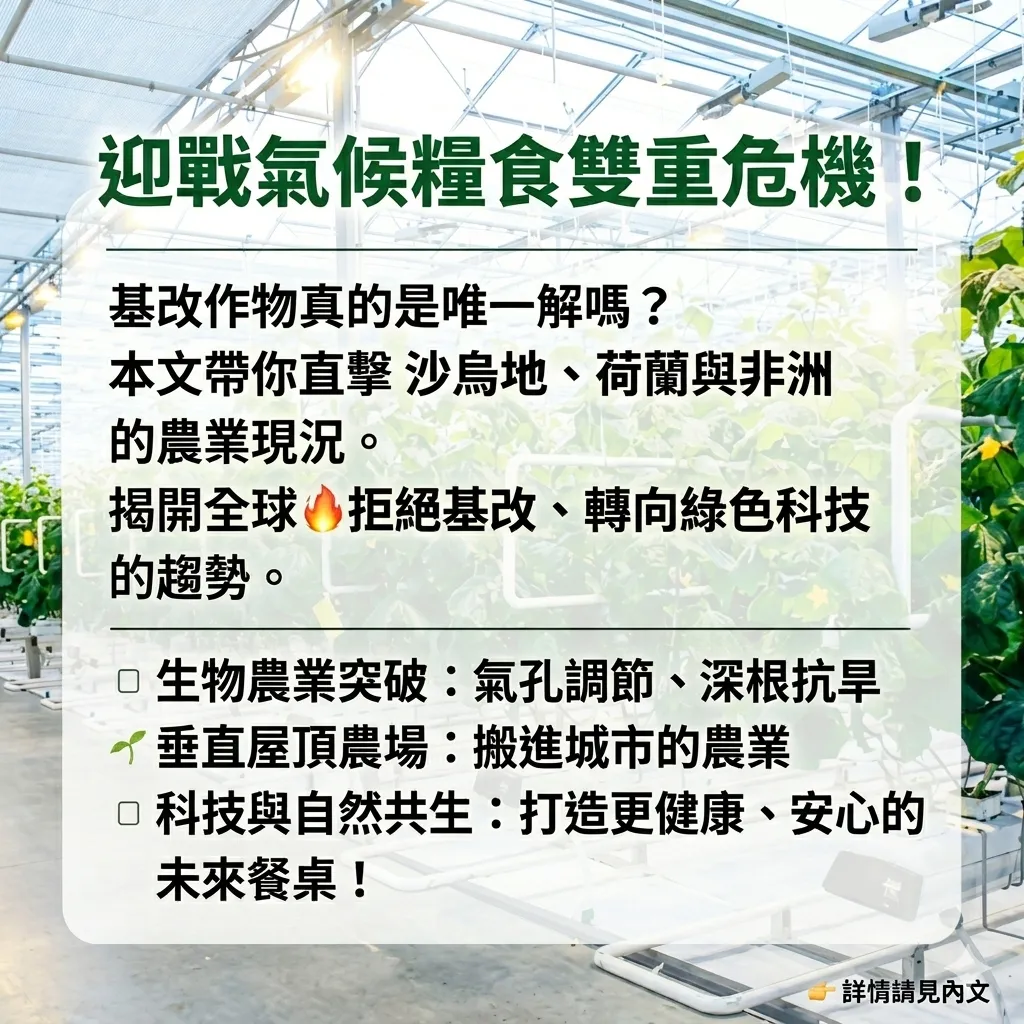
  7. Do Extreme-Climate Regions Need GM Crops? Innovative Paths from Biotechnology and Urban Farms

    GM crops were originally meant to solve food crises under climate change: they are stress-resistant, can grow in harsh polar and desert conditions, and are drought- and pest-resistant with less pesticide use. But do countries with extreme climates actually grow them widely?

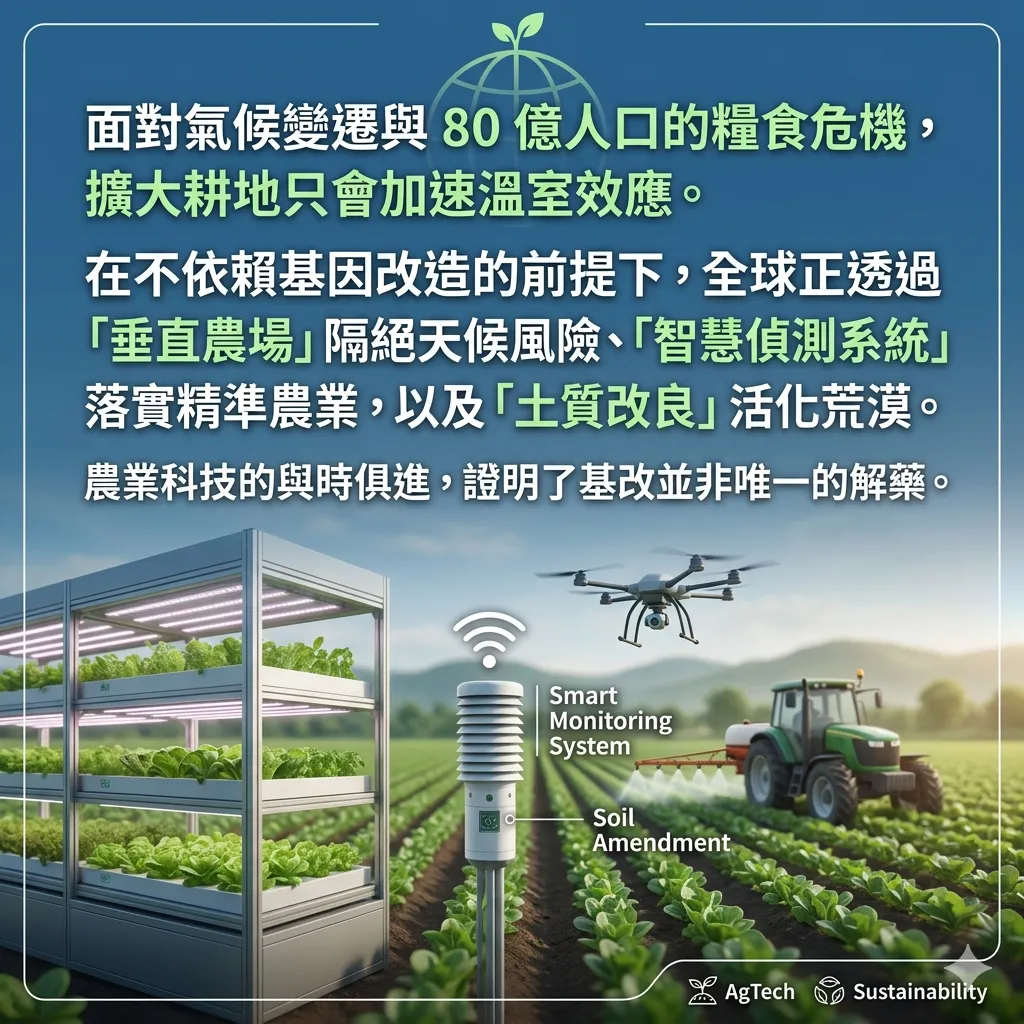
  8. Sweat and Rain Before GMOs: How Smart Farming Is Driving a Non-GM Green Revolution

    The world's population has reached 8 billion. Feeding everyone on Earth through traditional food production usually means expanding farmland, clearing mountain forests and shrinking the rainforests, which accelerates global warming, reduces biodiversity and drives regional climate change.

  9. Squeezed by Climate Crisis and Geopolitics: Could Genetic Modification Be the Last Line of Defence for Global Food Security?

    Genetically modified organisms (GMOs) have been developed for more than fifteen years and are still being researched in many countries. Although GMOs have underperformed in the field and in the market, global warming and increasingly normal extreme weather have strengthened countries' resolve to develop them, and GMOs will become key to breaking through adversity.

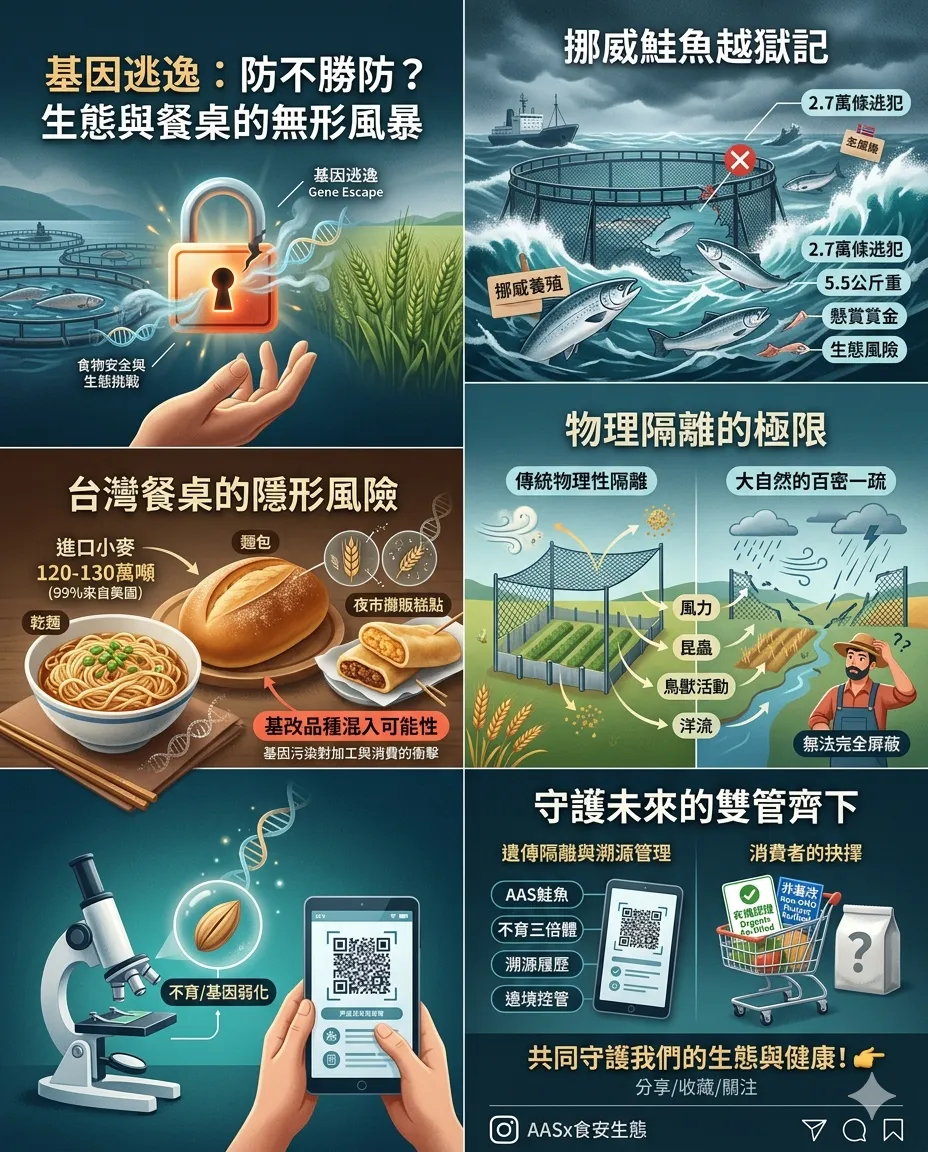
  10. Can Gene Escape Be Stopped? From Norway's Salmon Breakout to GM Wheat Contamination, How Do We Protect Food Safety and Ecosystems?

    In February 2025, a storm in Norway damaged the net pens of an offshore salmon farm. Salmon averaging 5.5 kg poured out through the gap, forcing the Norwegian authorities to offer a bounty of NOK 500 (about NT$1,000) per fish for 27,000 fugitives to avert an ecological disaster.