文章部落

Articles

42 articles, newest first. Filter by food or by topic.

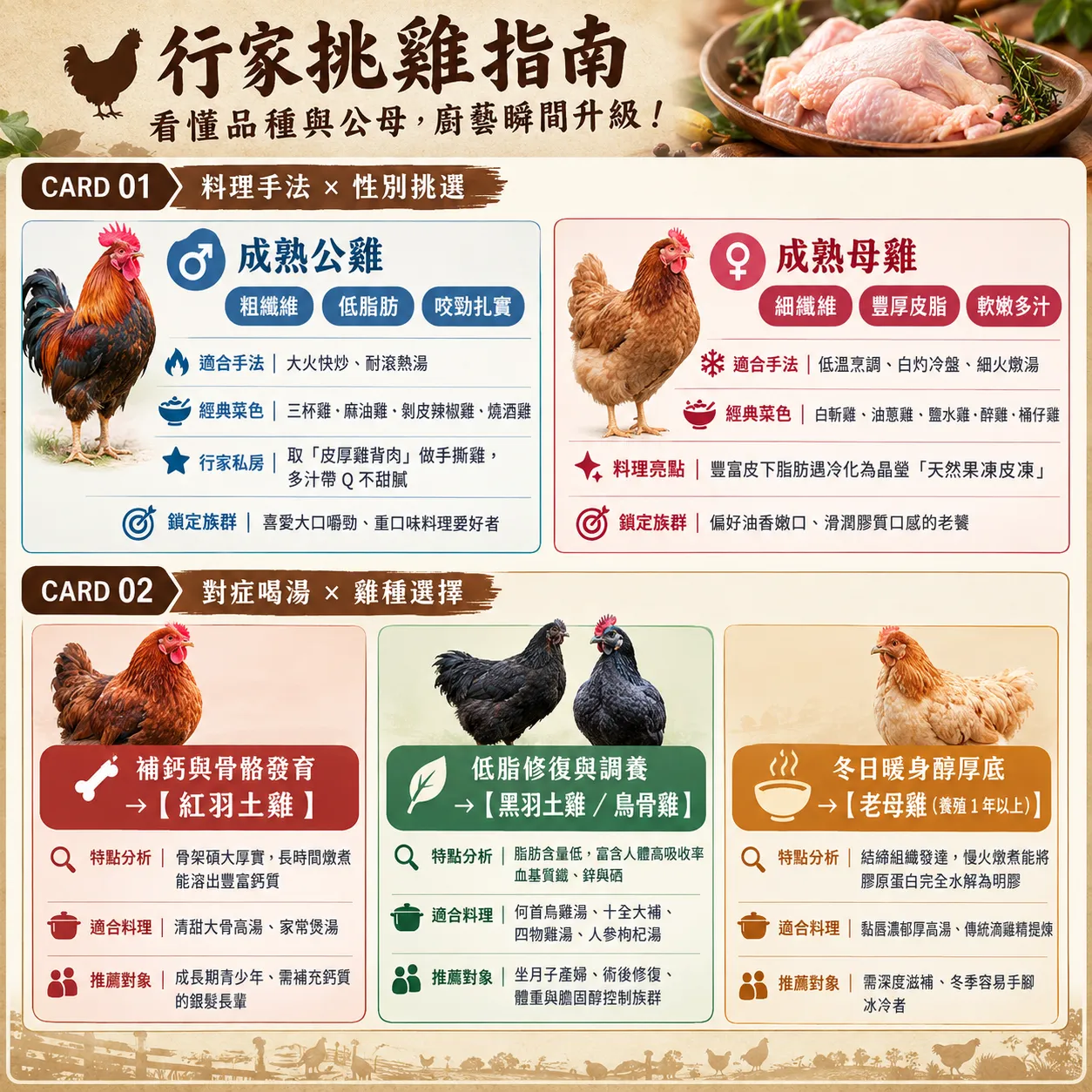
  1. A Complete Guide to Taiwanese Native Chicken: Red-Feathered, Black-Feathered, Silkie and Broiler Compared

    Heading up into the hills to eat native chicken is a traditional part of Taiwanese food life. On weekends and holidays, friends and family drive up together along winding mountain roads in search of mountain restaurants tucked away in hidden idylls, whether for a birthday banquet, a celebration, a simple get-together or a nourishing meal when the weather turns cool.
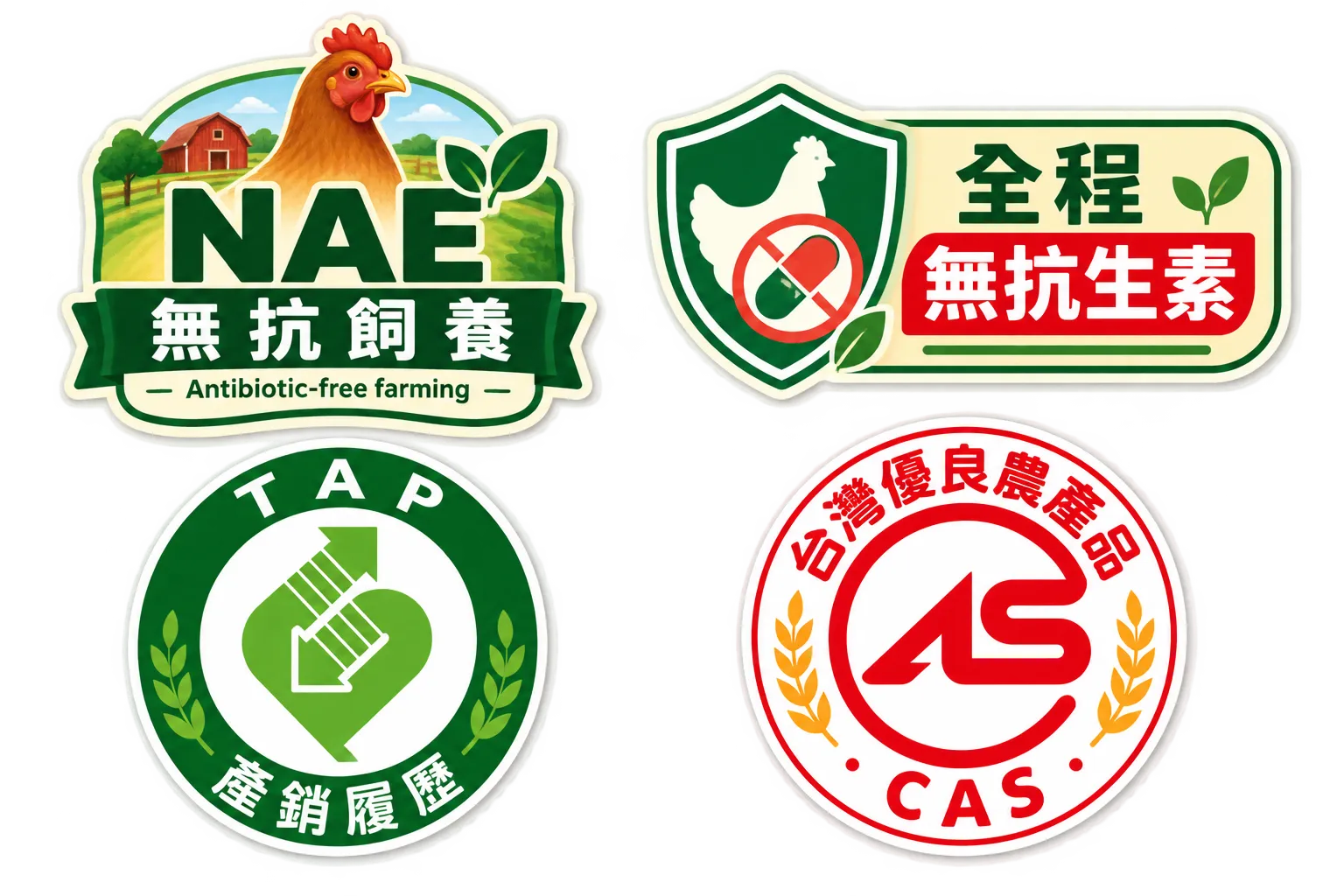
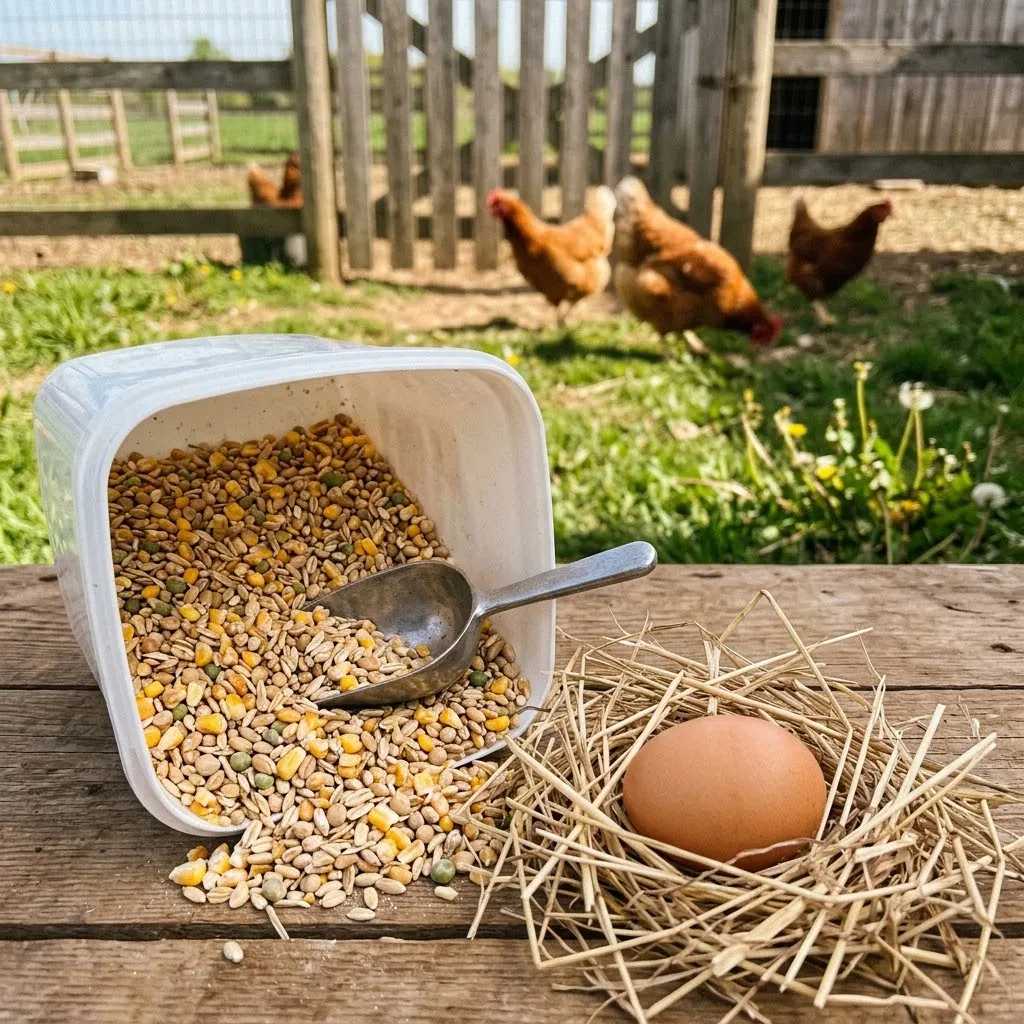
  2. Taiwan's Antibiotic-Free Farming Revolution: Farewell to Antibiotics, Hello to the Age of One Health

    Traditional open cage farming affects the surrounding environment: the clucking can disturb neighbours, visiting insects and birds are a nuisance, the smell spreads on the air, zoonotic diseases such as H5N1 avian flu can spread, and antibiotics used for prevention and treatment cause drug resistance and residues.

  3. A Hidden Food-Safety Threat: Glyphosate's Rise Against the Tide in Taiwan. Are Antibiotic-Free Chickens Really Safe?

    If chickens are advertised as “raised without antibiotics”, can consumers stop worrying? Unfortunately, not using antibiotics does not remove every food-safety risk: the feed chickens eat and the environment they grow up in can also expose them to risk factors, such as the insecticides and herbicides used against parasites and weeds.

  4. Are Taiwan's Chickens and Eggs Given Antibiotics? The History of Fast-Growing Broilers and the Truth About Resistance

    Modern farming can raise a 2.72 kg broiler in 35 days thanks to advances in breed selection and husbandry, cutting the rearing period from 112 days to nearly a third, on less feed, to produce fast-growing breeds about 2.5 times the weight of purebred chickens.

  5. Battery Cages or Barns? How Housing Affects Laying Rates, Egg Quality and Animal Welfare

    Taiwan keeps about 45 million laying hens. Chickens are broadly divided into broilers and layers: hens lay eggs and roosters are raised for meat. Broilers are slaughtered after a set time (about 35 days for white broilers), while laying hens are kept until about 18 months to 2 years old, when their laying rate falls.

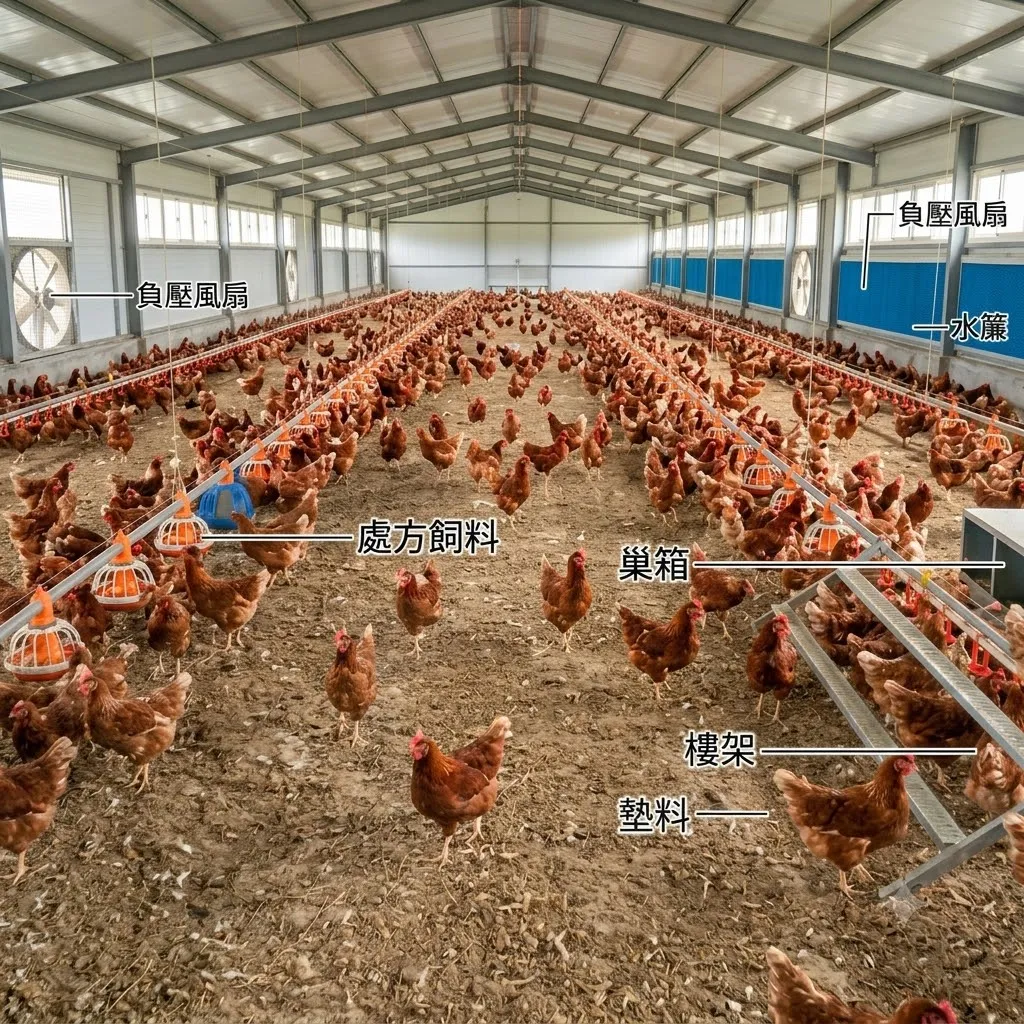
  6. Beyond Egg Shortages and Battery Cages: Evaporative-Cooling, Barn and Free-Range Farms Compared on Cost and Animal Welfare

    In December 2015, out of concern for animal welfare, the Council of Agriculture encouraged egg producers to produce eggs in welfare-friendly ways and drew up the “Definitions and Guidelines for Egg Friendly Production Systems”, which include a limit of no more than 6.25 laying hens per square metre, so that lower stocking densities raise stronger, healthier hens.

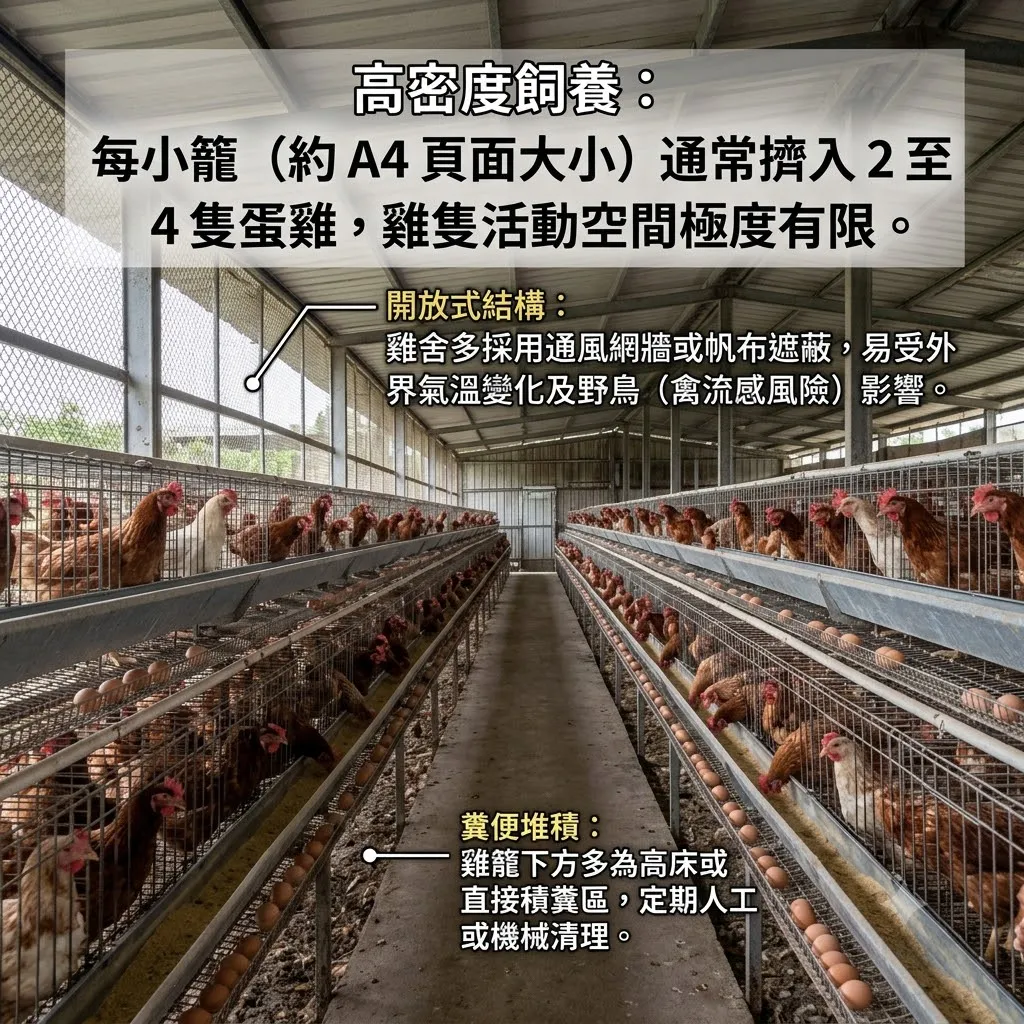
  7. H5N1 Crosses Species: Inside the “A4-Sized” Battery Cages on Taiwan's Chicken Farms, and Why Bird-Flu Culls Still Soar

    From January to May 2026, an H5N1 avian flu outbreak in Taiwan led to about 330,000 birds being culled on 14 farms in 6 counties and cities. In April, a chicken farmer in Fengyuan was fined NT$1.18 million for concealing the outbreak and allegedly selling eggs from infected flocks. The outbreak is in fact linked to bird-flu events around the world…

  8. Scallions Under Threat from Torrential Rain and Pesticide Residues: Smart Greenhouses, Toxin-Free Farming, Traceability and IPM

    In the two decades after the Second World War (the 1940s to 1960s), farmland was over-sprayed with pesticides, polluting groundwater and soil and even making pests resistant to the chemicals, so that problems became harder to control.

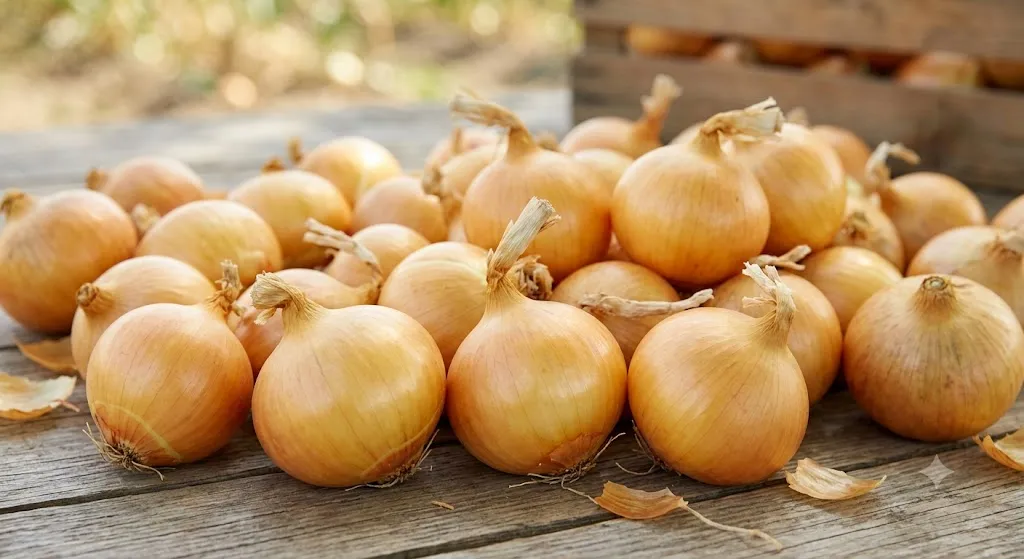
  9. Taiwanese vs Imported Onions: How Their Flavours Compare, How to Choose and How to Cook Them

    Each year the onion festivities begin in Yunlin, the largest growing area. From February to July 2026, it is expanding its “Walking with the Gods in Yunlin” events, combining an ocean music festival with sightseeing and a registration lucky draw to build excitement and actively market local produce across Taiwan.

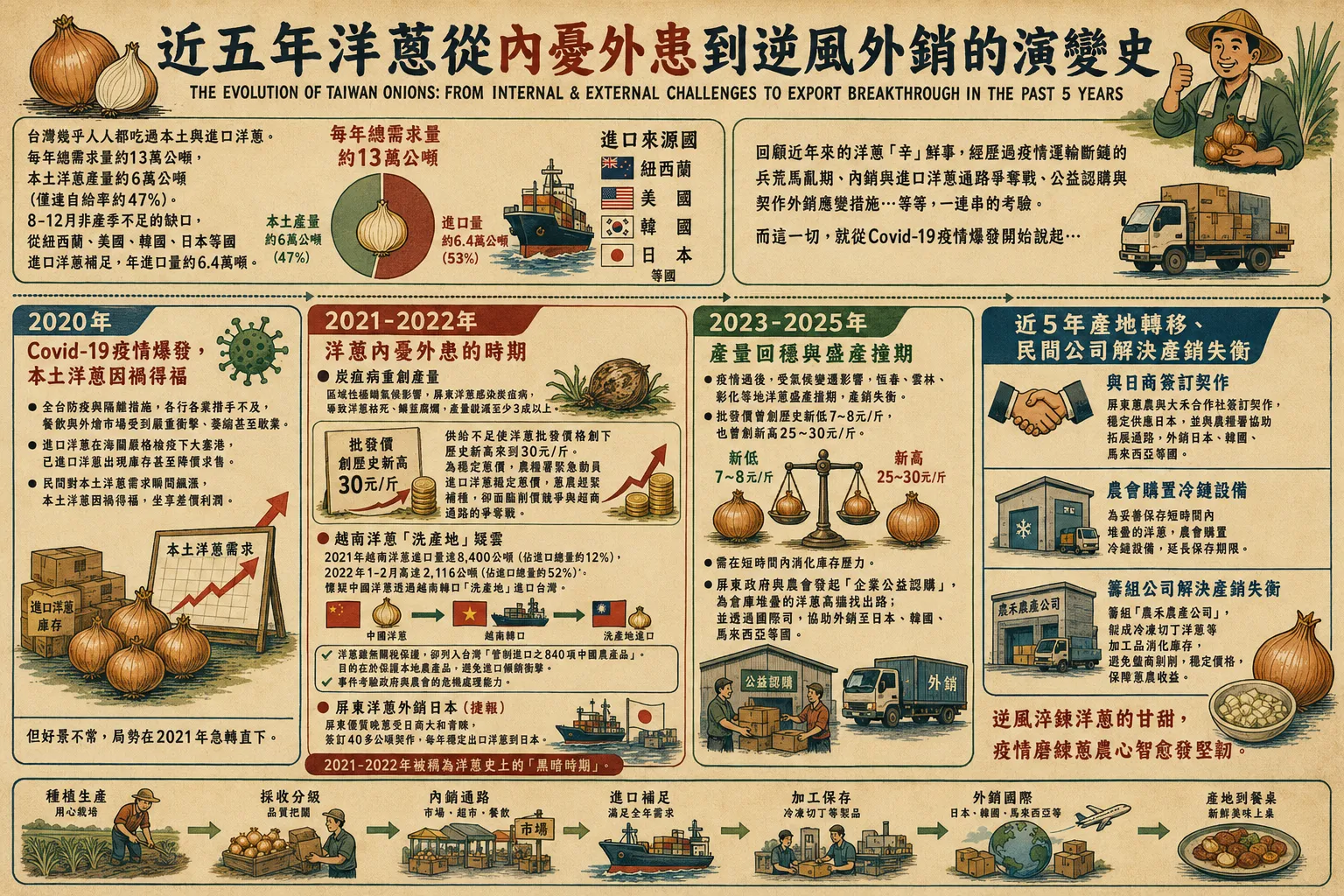
  10. Taiwan's Onions Over the Past 5 Years: From Supply Gluts to Exports to Japan Against the Odds

    Almost everyone in Taiwan has eaten both local and imported onions. Total annual demand is about 130,000 tonnes, while local production is about 60,000 tonnes (a self-sufficiency rate of only about 47%); the off-season gap from August to December is filled with about 64,000 tonnes a year imported from New Zealand, the United States, South Korea, Japan and elsewhere.